
Ngawi classified as a dirty district
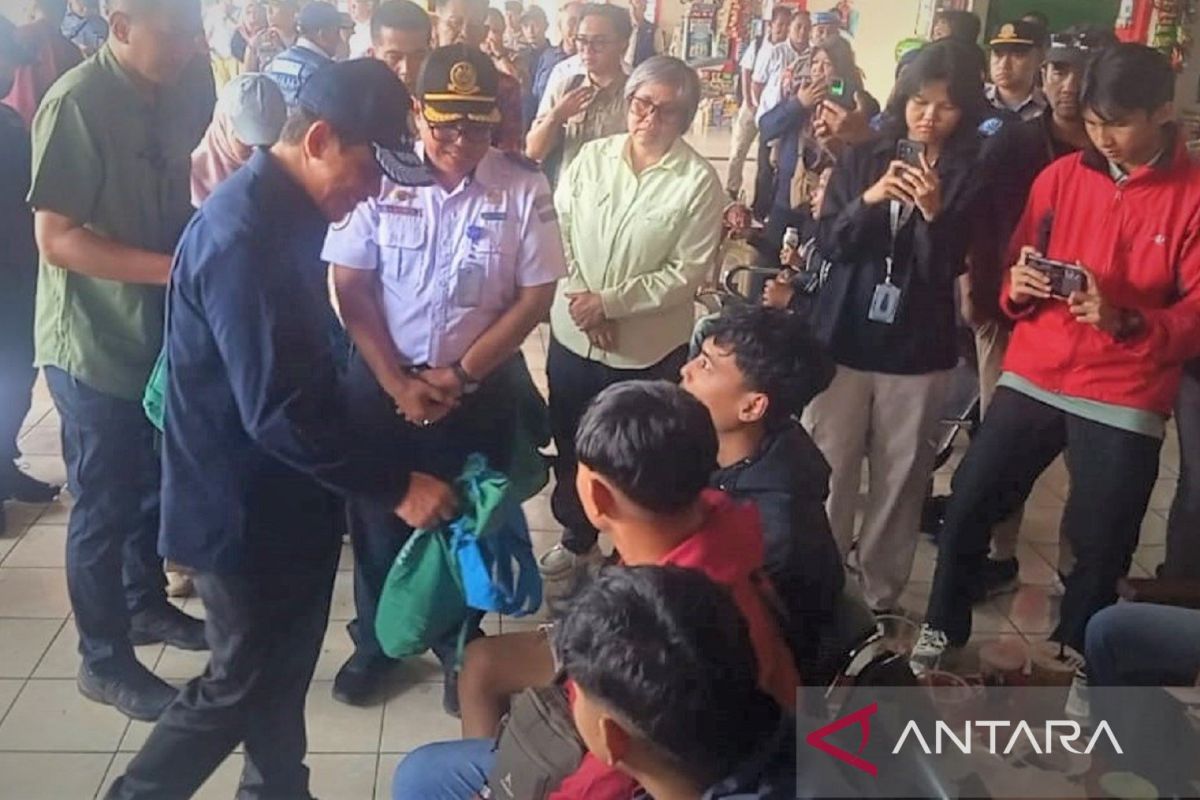
Ngawi — Indonesia’s Environment Minister Hanif Faisol Nurofiq has stated that Ngawi District in East Java remains classified as a “dirty” municipality due to suboptimal waste management activities in the area.
“Ngawi still falls into the dirty city category. We need to encourage the Regent to improve everything, including budgeting, mobilising the community, and utilising all other instruments available in Ngawi, including waste management in areas such as the terminal,” Minister Hanif said whilst inspecting waste processing facilities at Kertonegoro Terminal in Ngawi on Sunday.
According to him, much work remains to improve independent waste management at Ngawi Terminal and across Ngawi District generally.
“Our monitoring findings today at Ngawi Terminal have been documented in the form of a government order giving three months to upgrade facilities, such as adding waste bins and so forth. If, after three months, our evaluation shows no significant progress, penalties will be escalated to include suspension of environmental procedures or invocation of Article 114 of Law Number 32 of 2009 on Environmental Protection and Management,” he said.
The minister emphasised that waste remains a critical issue in nearly all municipalities and districts across Indonesia. President Prabowo Subianto has directed all regions to genuinely resolve waste problems, with a target of resolving the issue by 2029.
Dody Aprilia Setya, head of the Environmental Affairs Office (DLH) of Ngawi District, who accompanied the Environment Minister’s visit, stated that waste management through sorting has been implemented in Ngawi to provide added environmental and community benefits.
“Organic waste sorting can be processed into compost, whilst inorganic waste can be recycled, reducing the volume of waste ending up in final disposal sites. This ministerial evaluation will certainly be followed up,” she said.
The Environment Minister’s work visit to Ngawi was part of a broader campaign for the Low-Waste Homecoming Programme ahead of Eid 2026, monitoring critical points along the Trans-Java Toll and transport facilities such as terminals and stations.
Besides Ngawi Terminal, Minister Hanif also inspected waste management at KM 57 A Rest Area, KM 102 A Rest Area, KM 166 A Rest Area, KM 287 A Rest Area, KM 379 A Rest Area, Semarang City, Mangkang Terminal, Tirtonadi Terminal in Surakarta, Pasar Turi Station, and Surabaya City.