
NEXT by ANTARA Survey: 61.2 Percent of KAI Passengers Prefer Manual Boarding
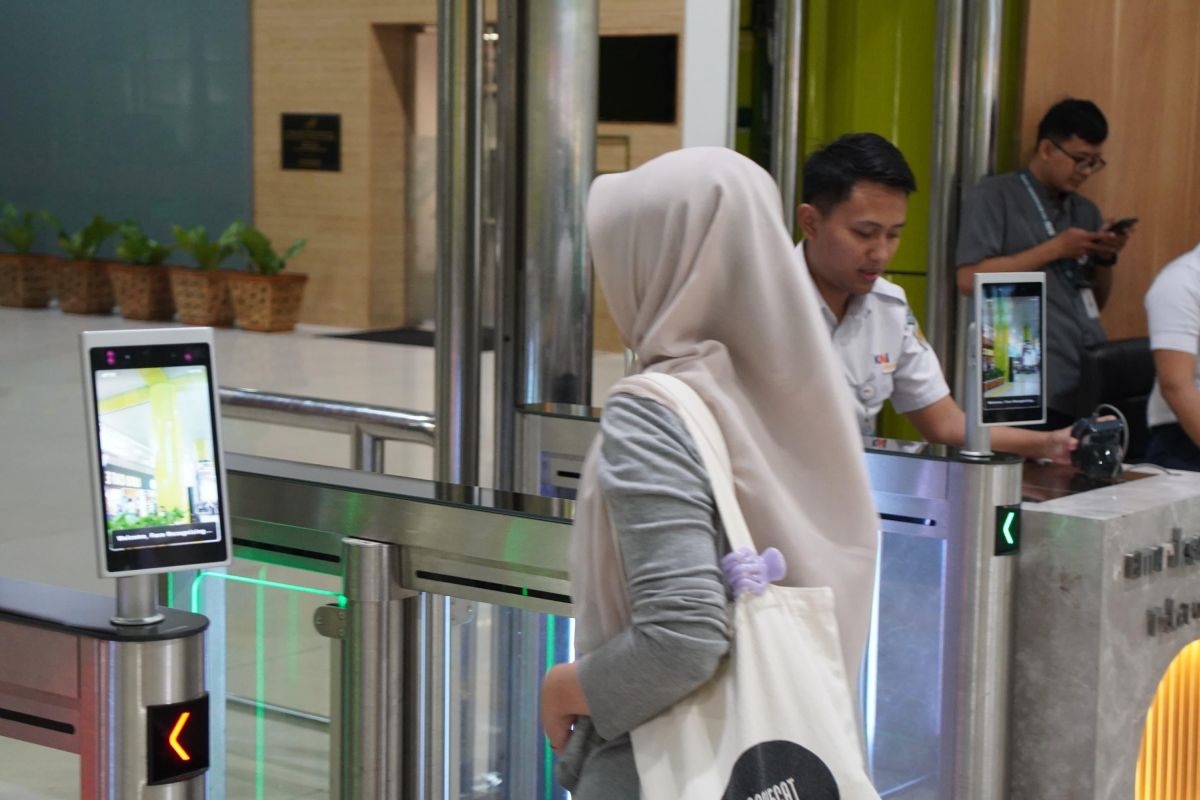
Jakarta (ANTARA) - A survey on the 2026 Lebaran homecoming flow conducted by NEXT by ANTARA shows that intermodal integration at railway stations is becoming increasingly optimal, but the use of facial recognition technology for passenger boarding remains low because the majority of users still prefer the manual method.
ANTARA’s Commercial Director for Business Development and IT, Rachmat Hidayat, stated that these findings illustrate the dynamics of technology adoption by the public using transportation services.
“The strengthening intermodal integration indicates that efforts in transportation ecosystem collaboration are running effectively. However, the decline in facial recognition usage serves as a signal that technology adoption still needs to be accompanied by improvements in user comfort, trust, and ease,” Rachmat said in an official statement on Monday.
In the survey, 86 percent of respondents rated intermodal integration at stations as good to very good, particularly during the Lebaran homecoming period, which is synonymous with a surge in mobility.
However, the survey also recorded that 61.2 percent of respondents still choose manual boarding methods, while facial recognition usage has declined compared to the 2025 Lebaran period.
This survey involved 536 KAI users spread across 10 stations in five major cities, namely Jakarta, Yogyakarta, Bandung, Semarang, and Surabaya, during the period of 20–21 March 2026.
Respondents were dominated by Generation Z at 66 percent, followed by millennials at 18.3 percent and Generation Alpha at 8.6 percent, with a composition of 56 percent males and 44 percent females.
Overall, customer satisfaction with KAI services during Lebaran 2026 was at a high level, with 92.1 percent of respondents expressing satisfaction.
Security and comfort factors became the main aspects of customer experience, followed by travel time efficiency and KAI’s contribution to reducing congestion.
From the accessibility side, KAI services in urban areas were deemed easily reachable by the public, with 93.7 percent of respondents giving positive ratings.
The survey also showed that service digitalisation is strengthening, reflected in more than 90 percent of ticket purchase transactions conducted online, including through the Access by KAI application.
Rachmat added that changes in customer expectations need to be a focus in future service development.
“Going forward, customers are not only seeking efficient transportation but also a more valuable travel experience. Needs such as free WiFi, ease of digital services, and facility comfort are becoming increasingly important differentiating factors,” he said.
The survey also found that customers are beginning to expect enhancements in value-added services, with priorities on free WiFi on trains at 53.2 percent, large baggage facilities at 13.1 percent, and online food ordering at 10.8 percent.
Meanwhile, aspects that still need improvement include the Access by KAI application system, timeliness of ticket discount provision, and cleanliness of facilities at stations and on trains.
The survey methodology used a mixed-methods approach, combining quantitative and qualitative methods, with 80 percent of questions based on the Likert scale and 20 percent open-ended questions to explore exploratory feedback.
The survey assessment focused on four main aspects: services and facilities at stations, services on trains, ticket purchases, and the social impact of KAI services.