
New SDA DHE Regulations Revised Again, Purbaya: To Be Issued This Month!
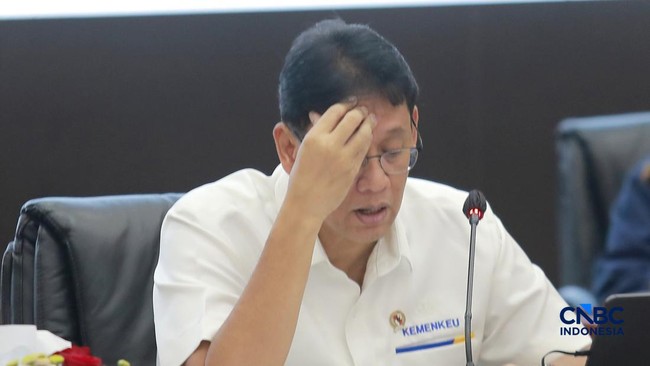
Jakarta, CNBC Indonesia - Finance Minister Purbaya Yudhi Sadewa has openly explained the reasons why the new regulations on export proceeds (DHE) have yet to be issued, despite initial plans for implementation starting 1 January 2026. He stated that, in broad terms, the latest provisions, which will revise Government Regulation (PP) No. 8 of 2025, have already been approved by President Prabowo Subianto. However, some further minor changes are still needed. “So it’s already approved, just not promulgated yet. Undergoing a little revision,” Purbaya said at his office in Jakarta on Tuesday (7/4/2026). Purbaya declined to detail the ongoing further revisions. He only mentioned that the revisions also consider exemption requests from several business sectors that are exporters of Indonesia’s natural resources (SDA). “There’s a small revision because some parties requested exemptions, and the President agreed because it’s not detached from our intention to implement DHE,” he explained. He also emphasised that this policy will be fully enforced by the government, as its purpose is to prevent dollars from export proceeds obtained by exporters from Indonesia’s SDA from fleeing or being parked abroad. “Those using domestic natural resources, but the profits are placed abroad. It will be out soon, perhaps this month,” Purbaya stated. For information, in the Domestic Foreign Exchange Liquidity Strengthening Policy Strategy document from the Ministry of Finance that has been received by banking circles, it is stated that the revision to PP 8/2025 on SDA DHE will require the placement of foreign currency DHE by exporters only in Himbara starting 1 January 2026. In PP 8/2025, the provisions in Article 1 General Provisions or the definition of banks that can be places for SDA DHE placement were not specifically regulated, but now it is specifically limited to Himbara. In addition, the subsequent new provisions include lowering the foreign currency DHE conversion limit to Rupiah from 100% to a maximum of 50%. This is followed by expanding the use of foreign exchange for procurement needs of goods and services, not limited only to goods that cannot be produced domestically, and working capital needs. Exporters can also place funds in foreign currency SBN issued domestically. In line with that, the government is issuing foreign currency SBN domestically to accommodate excess foreign exchange from DHE while deepening the market. In the revision to Article 6 regarding the location of special accounts or reksus, it is now only required to be opened in Himbara that Conduct Business Activities in Foreign Currency owned by the state in accordance with statutory provisions, whereas previously it could be done at LPEI and/or Banks Conducting Business Activities in Foreign Currency in general.