
New Route Opens, Jakarta–Wuhan Now Directly Accessible Without Transit
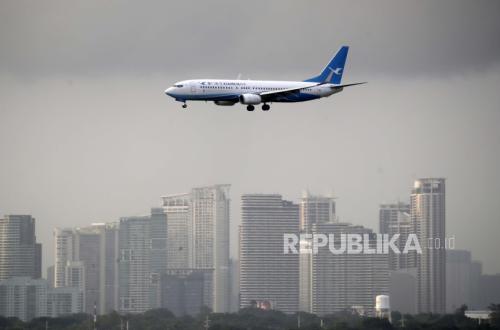
The journey from Jakarta to Wuhan no longer requires a transit. The direct flight route connecting the two cities has officially opened, marking a new chapter in connectivity between Indonesia and China.
The route was launched on Sunday, with the inaugural flight departing from Wuhan, the capital of Hubei Province, to Jakarta. More than 150 passengers were recorded on that first flight.
Flight number MF8683 took off from Wuhan Tianhe International Airport at 4:40 p.m. local time and headed to Soekarno-Hatta International Airport.
This route is operated using a Boeing 737-800 Max aircraft and is scheduled to fly four times a week, namely every Monday, Wednesday, Friday, and Sunday, as reported by China.org.cn.
The opening of this route also fills the gap in direct connectivity between Wuhan and Jakarta, which has not been available until now. Previously, travel between the two cities had to go through transits in other cities such as Guangzhou or Singapore.
With the direct flight, travel time is expected to become more efficient. Passengers no longer have to spend extra time on transit processes, making the journey more practical and comfortable.
For business actors, this route is seen as opening new opportunities to strengthen trade relations between Indonesia and central China. Wuhan itself is known as one of China’s important industrial and logistics centres.
In addition to the business sector, the tourism sector also has the potential to receive a boost. Easier access is believed to increase tourist flows between the two countries, both from Indonesia to China and vice versa.
Wuhan has a number of well-known historical and cultural tourist destinations, while Indonesia, particularly Jakarta and its surroundings, remains the main entry point for Chinese tourists to Southeast Asia.
The opening of this route is also part of efforts to expand the international flight network from central China to the Southeast Asia region. Until now, China’s international connectivity has been more concentrated in coastal cities such as Beijing, Shanghai, and Guangzhou.