
New Regulation Emerges: Wheat and Beans Imports Require Strict Permits, When Does It Start?
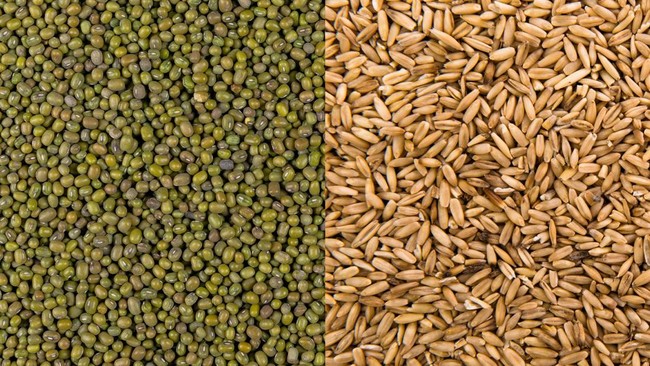
Jakarta, CNBC Indonesia - The Ministry of Trade (Kemendag) has officially issued a new regulation regarding the import of agricultural and livestock commodities through Minister of Trade Regulation (Permendag) Number 11 of 2026. This regulation is part of the government’s efforts to strengthen food security while reducing import dependency. The regulation is the second amendment to Permendag Number 18 of 2025 and was promulgated on 24 April 2026. It will take effect on 8 May 2026. Minister of Trade (Mendag) Budi Santoso explained that this policy is designed to support the national food self-sufficiency programme while maintaining domestic market balance. “Permendag Number 11 of 2026 is the second amendment to Permendag Number 18 of 2025, adding several scopes of goods regulated for import. The aim is to refine import policies, maintain the balance of supply and demand domestically, protect domestic producer prices, and strengthen national food security,” said Budi in his statement, quoted on Thursday (30/4/2026). In the latest regulation, the government has included several commodities in the list of import restrictions. These commodities include wheat feed, soybean meal, mung beans, peanuts, feed rice, and pears. With these commodities now regulated, importers are required to meet the Import Approval (PI) requirements from Kemendag, based on technical recommendations from the Ministry of Agriculture (Kementan). “In general, importers must first obtain technical recommendations, then apply for Import Approval electronically through the Indonesia National Single Window (SINSW) system before conducting imports,” he explained. Furthermore, Budi emphasised that the preparation of this regulation has undergone a long process involving various stakeholders, from technical ministries to business actors. “Every policy adjustment proposal, including proposals for import restrictions, comes from technical ministries and agencies as well as stakeholders. These proposals are then discussed through cross-ministerial coordination,” he said. “The proposals are accompanied by regulatory impact analysis (RIA), public consultation forums, up to harmonisation and promulgation processes. Then, the socialisation of this regulation involves related ministries and agencies as well as associations from upstream to downstream,” he added. Reasons for Tightening Import Regulations The Director of Imports at Kemendag, Andri Gilang Nugraha, explained that this regulation aims to maintain price stability and encourage domestic production. “One of them is for mung bean and peanut commodities. The decline in farmers’ interest in cultivating these commodities is partly caused by the free entry of imported products without time or volume restrictions. Therefore, this regulation is intended to support national independence through food self-sufficiency as per the President’s Asta Cita,” said Gilang. He emphasised that importers must ensure they have obtained PI before the regulation takes effect. For some commodities, additional requirements are also imposed, such as commodity balance for feed rice and cold storage obligations for pear imports. Kemendag has also opened consultation channels for business actors to ensure optimal implementation of the regulation. “We are open to input or questions from business actors that can be submitted through the provided channels so that the implementation of this policy can run optimally,” he said. Meanwhile, the implementation of this policy is also accompanied by system adjustments on the Indonesia National Single Window (SINSW), so that import permit applications can be made electronically starting 8 May 2026.