
New Regulation: Comparison of EV Water Tax, Atto 1, and Brio Satya
JAKARTA, KOMPAS.com - The central government, through the Ministry of Home Affairs, has officially released a new regulation that opens the door for taxation on electric vehicles in Indonesia via Ministry Regulation No. 11 of 2026.
Under this regulation, battery-based electric vehicles or battery electric vehicles (BEVs) are no longer exempt from motor vehicle tax (PKB) and motor vehicle ownership transfer fee (BBNKB), as was the case in the previous regulation (Ministry Regulation 7/2025).
Nevertheless, local governments are still authorised to provide incentives, either in the form of exemptions or reductions in taxes.
The Wuling Air EV is one of the quite popular electric models in the urban segment, with sales of 3,594 units throughout the first quarter of 2026.
Based on the regulation’s attachment, the motor vehicle selling price (NJKB) for this model is Rp 173 million.
With a compensation weight of 1.05, the tax base (DPP) becomes Rp 181.6 million. With a PKB rate of 2 percent, the annual tax is around Rp 3.63 million (excluding SWDKLLJ).
If SWDKLLJ is added, the total approaches Rp 3.78 million per year.
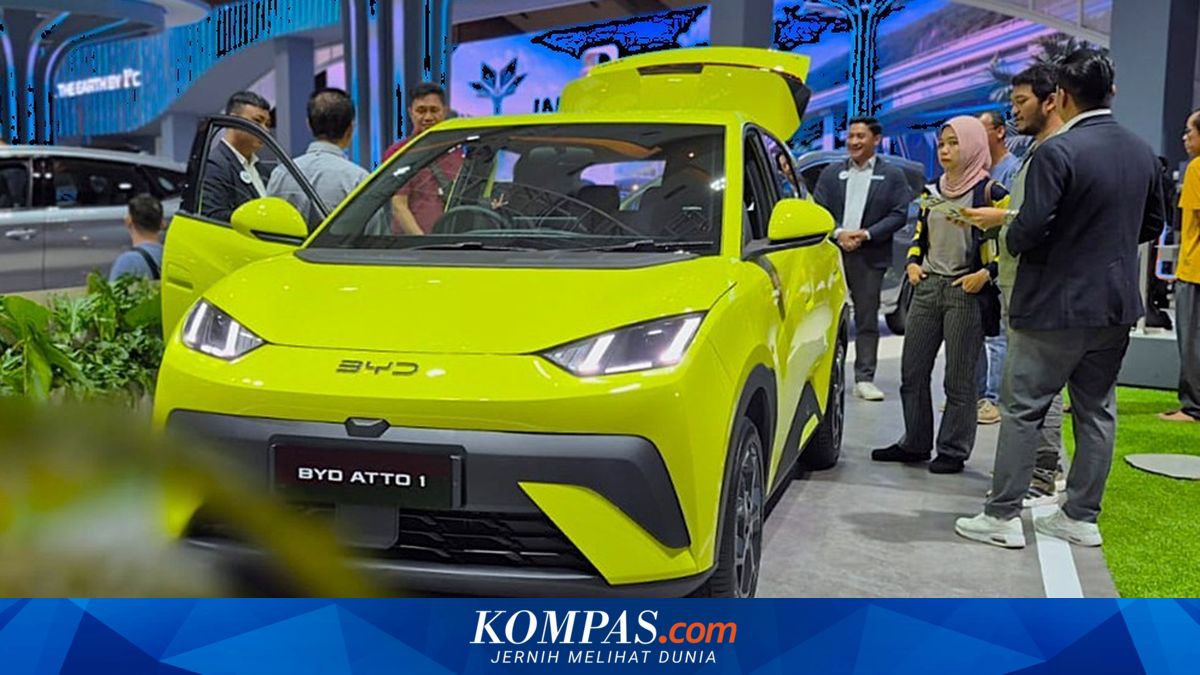
Meanwhile, the BYD Atto 1 recorded sales of 7,733 units in the same period. The NJKB for this model’s lowest variant is set at Rp 229 million.
With similar calculations, the DPP reaches Rp 240.4 million. The annual tax is in the range of Rp 4.80 million (excluding SWDKLLJ), or around Rp 4.95 million per year after adding that component.
With a PKB rate of 2 percent, the annual tax is in the range of Rp 3.20 million. If the SWDKLLJ instrument is added, the total to be paid each year ranges from Rp 3.34 million to Rp 3.35 million.
It should be noted that this simulation is illustrative and does not yet include regional incentive policies.
The actual tax amount may differ because each local government has the authority to determine the PKB rate, including for electric vehicles.