
New Pelindo Board of Directors Tweaks Port Tariffs
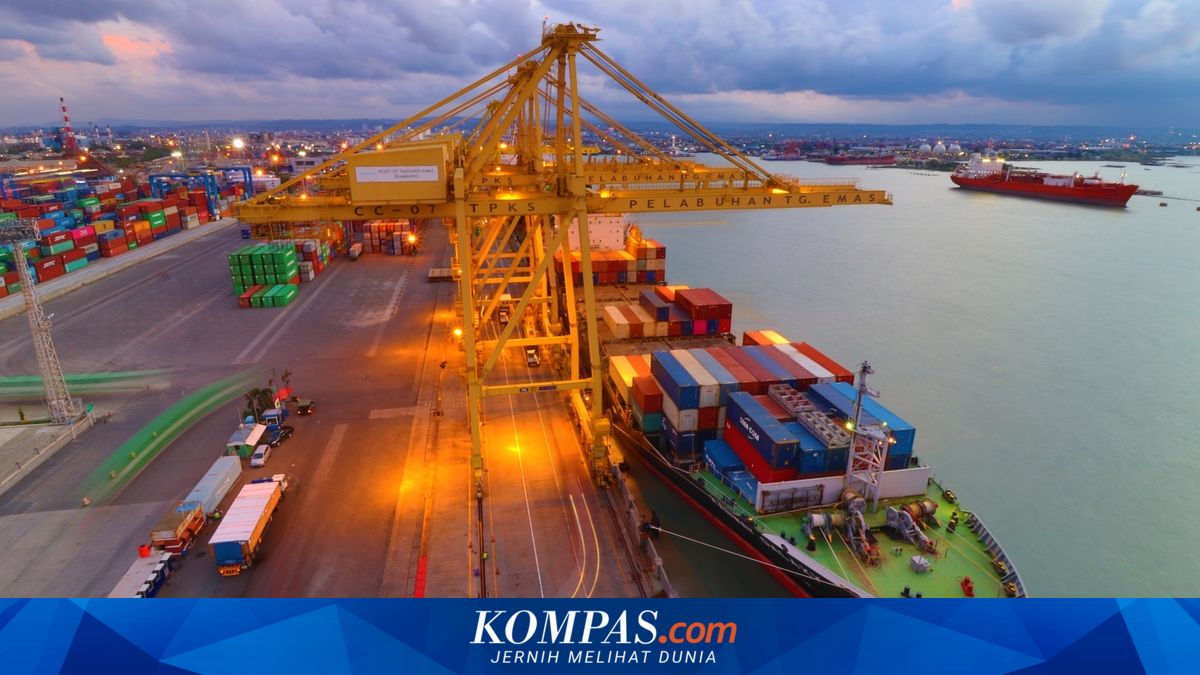
Freshly appointed, the board of directors of the state-owned enterprise Pelindo is already planning to increase its service tariffs. This intention was conveyed to parliament members some time ago.
The current tariffs, according to Pelindo’s President Director Achmad Muchtasyar, have not changed for the past seven years. Therefore, they cannot cover the swelling operational costs borne by the company.
However, under regulations, the company has the right to revise tariffs every three years.
The company targets full implementation of the new tariffs before the end of the 2026 fiscal period. This adjustment is expected to receive official approval soon.
Raising service tariffs by a state-owned company, especially one controlling over 90 per cent of the national port business, is clearly provoking reactions.
The Indonesian National Shipowners’ Association (INSA) is reportedly set to oppose it. Meanwhile, entrepreneurs in the National Importers’ Association of All Indonesia (GINSI), the Indonesian Exporters’ Association (GPEI), and others are responding coolly to the tariff adjustment proposal.
Later, when Pelindo submits the tariff increase formula to the Ministry of Transportation for approval, the associations will sign off as agreement on the plan.
This opens wide doors for bargaining. It will not only involve the state-owned company but also associations, the government (Ministry of Transportation), and parliament.
To get their proposal approved, it is not unlikely that the company will “consolidate” all those stakeholders to speak with one voice: in agreement.
Based on Law No. 66 of 2024 on Shipping, relevant associations are indeed involved in discussions on port service tariff increase proposals.
Nevertheless, the Ministry of Transportation, through its port apparatus—the Harbourmaster and Port Authority Offices (KSOP)—is the final determinant of the tariff increase proposal.
In the author’s notes, the voice or approval of port associations is still needed for every proposal. This is where the tricky part of port tariff increases lies.
As the party investing in the ports, Pelindo should surely be allowed to raise tariffs whenever necessary as it wishes.
Why involve parties that do not invest in the ports? They are just middlemen or brokers.