
New Outsourcing Rules Take Effect: Government Limits to Only Six Types of Work
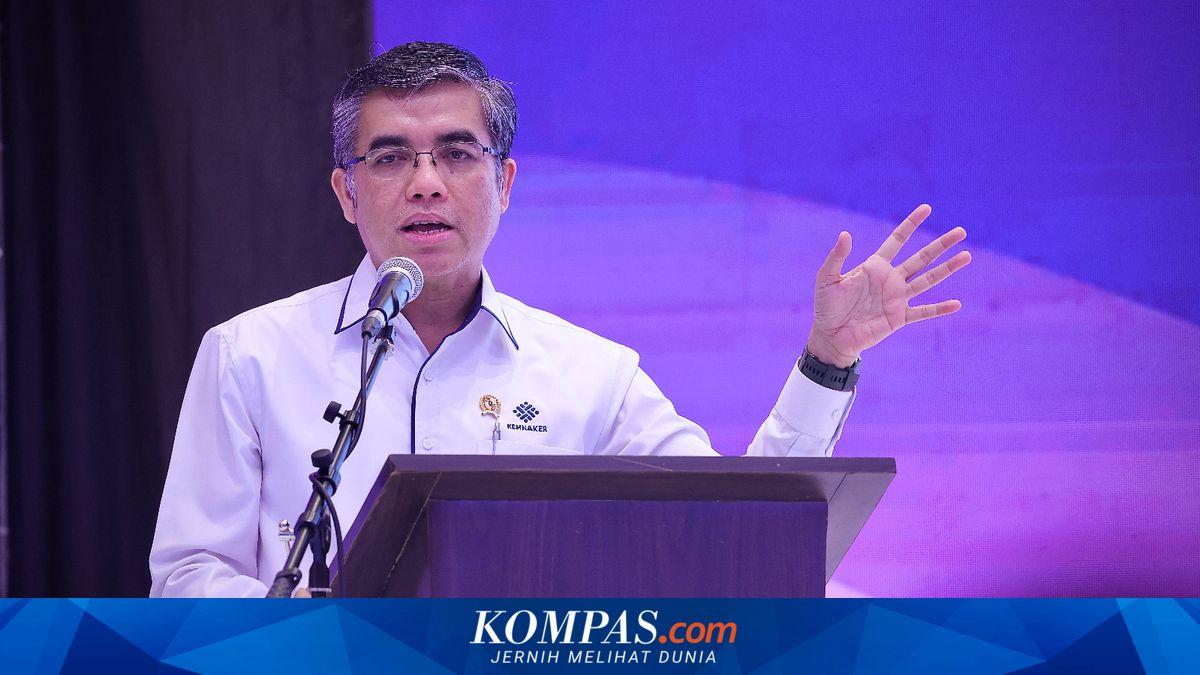
The government has officially issued the latest outsourcing ministerial regulation, limiting the use of outsourced labour to only six types of work. This policy is contained in Ministerial Regulation on Manpower (Permenaker) No. 7 of 2026 on Outsourced Work, signed by Minister of Manpower Yassierli on Thursday (30/4/2026). The new outsourcing rules are part of the government’s steps ahead of Labour Day 2026 or May Day, while also following up on Constitutional Court Decision No. 168/PUU-XXI/2023, which mandates restrictions on outsourcing practices. Through the new outsourcing rules, the government emphasises that outsourcing practices are now only permitted in six fields of work, namely: [Note: Specific types not detailed in the provided text]. This policy is also part of President Prabowo’s agenda to reform outsourcing rules, which were previously criticised by labour groups as being too lenient. Yassierli emphasised that this regulation aims to provide legal certainty, strengthen worker rights protection, and maintain business continuity. The government also wants to ensure that outsourced worker practices operate more fairly. The agreement must at minimum include the type of work, duration, work location, number of workers, work protection, as well as the rights and obligations of the parties. On the other hand, outsourcing companies are required to fulfil all worker rights in accordance with applicable laws and regulations. These rights include wages, overtime pay, working hours and rest, annual leave, occupational safety and health (K3), social security for health and employment, religious holiday allowances, and rights regarding termination of employment (PHK). This Permenaker also regulates sanctions for both user companies and outsourcing companies that violate the provisions. The government urges all stakeholders to consistently comply with these rules. In the transitional provisions, companies are given a maximum of two years to adjust the types and fields of outsourcing work to the new rules. Previously, labour unions had stated that this policy is part of a major change to the outsourcing system, which has so far referred to the Job Creation Law.