
New Javan Hawk Hatches in Mount Halimun Salak National Park, Named Garda Nusantara
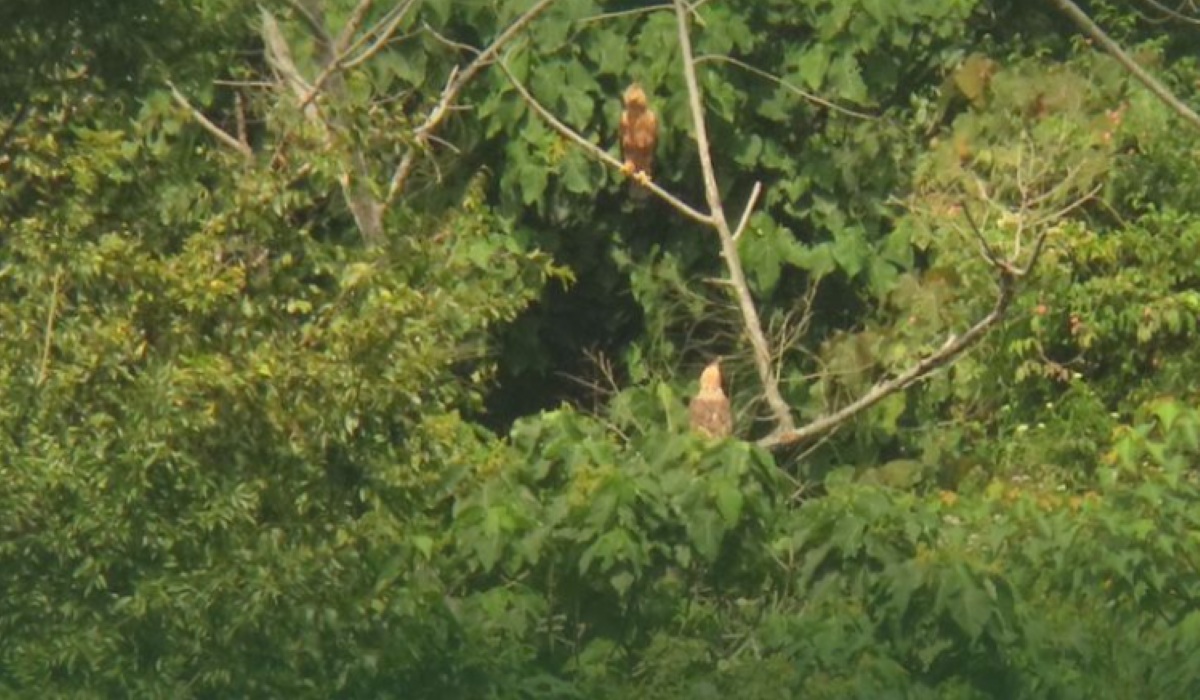
The government faces a policy dilemma with no truly comfortable options. The government faces a policy dilemma with no truly comfortable options. Deputy Minister of Forestry (Wamenhut) Rohmat Marzuki conducted a working visit to the Mount Halimun Salak National Park Authority (TNGHS) on Tuesday (7/4), with the main agenda of strengthening the conservation of protected wildlife and Java’s forest ecosystems. During the event, the Deputy Minister named a newly hatched Javan hawk chick “Garda Nusantara.” The naming ceremony began with direct observation via an online monitoring system at the TNGHS Authority Office courtyard. After the observation, the Deputy Minister officially wrote the name on the certificate as a symbol of the state’s protection for this key species. “With the grace of Bismillahirrahmanirrahim, I name it Garda Nusantara. The philosophy is that this Javan hawk can become a guardian or protector of Indonesia’s nature through the skies,” said Rohmat. He emphasised that the Javan hawk is not merely an animal but a national identity akin to the Garuda bird, Indonesia’s state emblem. As a top predator in the food chain, the presence of the Javan hawk serves as a vital indicator of the health of forest ecosystems on Java Island. Furthermore, Rohmat explained that the population of Javan hawks across Java Island shows an increasing trend based on the latest research from the collaboration between the Ministry of Forestry and various NGOs and LSMs. This success is driven by commitments to habitat preservation in mountainous regions, particularly in TNGHS, which is a favourite nesting area for this raptor due to the presence of tall trees. A joint operation by Gakkumhut and the PKH Task Force is cracking down on illegal mining practices in the Mount Halimun Salak National Park (TNGHS) area. Forest damage in TNGHS, besides reducing the population of three such animals, also threatens other endemic flora, such as orchids, puspa, saninten, and rasamala, making them endangered.