
New "Intro" Energy Crisis, the World Will Struggle for Months
Jakarta, CNBC Indonesia - The global energy market is expected to take months to recover from the shock caused by the US and Israel conflict with Iran. This was stated by Kremlin envoy Kirill Dmitriev, who assessed that stabilisation will not occur in the near term even if the Strait of Hormuz remains open.
Dmitriev said the energy market “will take months to return to normal even if the Strait of Hormuz remains open.” He emphasised that the impact of disruptions to energy supplies and infrastructure cannot be restored instantly.
The statement came after US President Donald Trump announced a two-week ceasefire with Iran to pave the way for long-term peace negotiations. The plan is said to be based on Tehran’s 10-point proposal, which still gives Iran control over the Strait of Hormuz.
Although oil prices temporarily fell in response to the ceasefire news, industry players assess that pressure on the energy sector remains high. Director General of the International Air Transport Association (IATA), Willie Walsh, stated that supply recovery will take a long time.
“If the Strait of Hormuz is reopened and remains open, it will still take months to return to the required supply levels,” he said, referring to disruptions in refining capacity in the Middle East, as quoted by RT on Thursday (9/4/2026).
The conflict has also significantly damaged energy infrastructure, including several oil refineries. As a result, jet fuel prices have more than doubled since the war began. CEO of Thai Airways, Chai Eamsiri, described the current situation as the worst shock in nearly 40 years of his career.
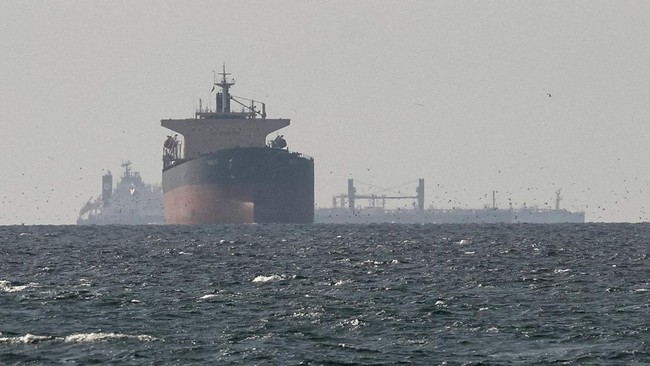
In addition, more than 800 ships are reported to still be stranded in the Persian Gulf due to the closure of the Strait of Hormuz following attacks at the end of February. Data from the International Maritime Organisation shows around 20,000 seafarers trapped on ships, facing logistical limitations, fatigue, and psychological stress.
Market players are now monitoring ship movements beginning to cross the strait amid the ceasefire, which is considered fragile.
Furthermore, there is still potential for broader global commodity shocks. The impact of the conflict is said not yet fully felt and risks triggering supply shortages, not only in energy but also extending to fertilisers, food, and consumer goods.