
New Electric Vehicle Tax Rules: Here's the Difference Between Jaecoo J5 EV and Hyundai Creta
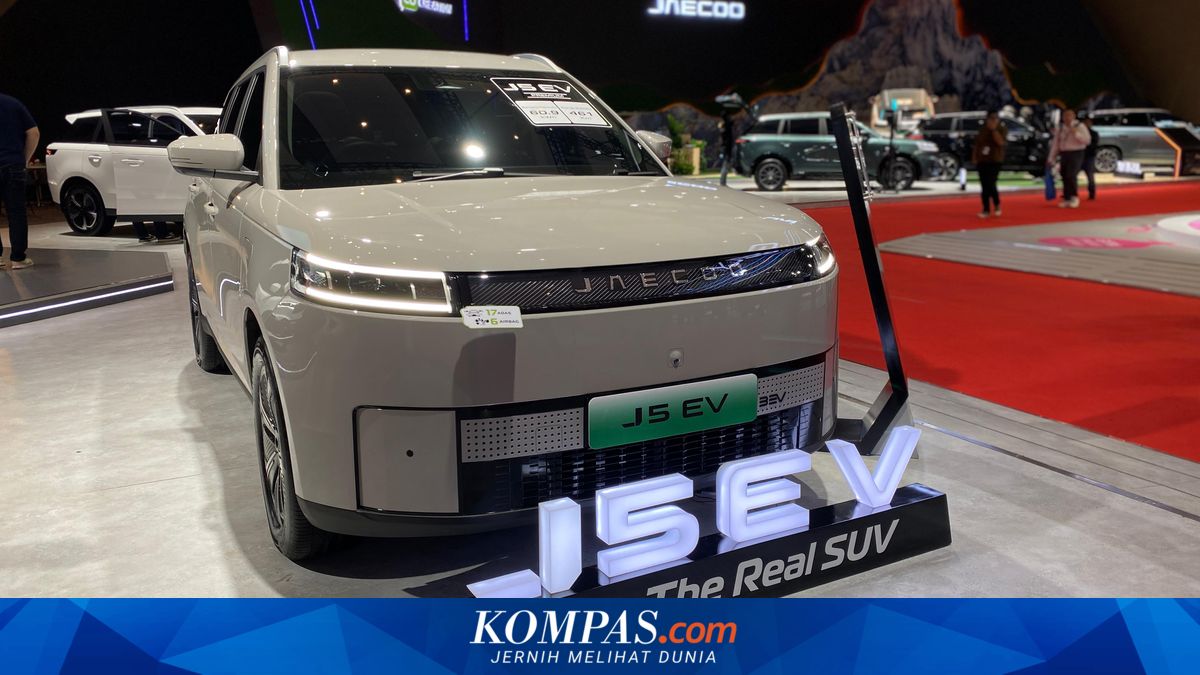
The compact SUV segment in Indonesia is no longer dominated solely by petrol-engined models but is increasingly featuring electric vehicles. Two comparable examples are the Jaecoo J5 EV and the Hyundai Creta, which compete in the same class but differ in their power sources.
The comparison between the two becomes particularly interesting following the government’s official amendment to electric vehicle tax regulations.
Through Minister of Home Affairs Regulation No. 11 of 2026, electric vehicles are no longer automatically exempt from Motor Vehicle Tax (PKB) or Motor Vehicle Ownership Transfer Tax (BBNKB). This means the tax scheme is now reapplied, although the amounts still depend on the policies of each region.
Under these conditions, it is worthwhile examining the tax comparison between electric SUVs and petrol SUVs in the same class.
For annual taxes, after the incentives are no longer full, electric vehicles are estimated to incur PKB of around Rp3 million to Rp5 million per year, depending on regional policies.
On the other hand, the Hyundai Creta, as a petrol vehicle, has been subject to full taxes from the outset. The PKB for this model is in the range of Rp5,754,000 per year.
Additionally, upon purchase, the Creta is also subject to BBNKB at a rate generally around 10-12% of the vehicle’s price, similar to electric vehicles which no longer receive full exemptions.
Although the era of tax-free electric vehicles has ended, the annual tax burden remains relatively lighter than for conventional vehicles. However, the cost advantage is no longer as significant as before because the BBNKB component is also being reimposed.