
New Beginning for the Capital After Waste Management Failure
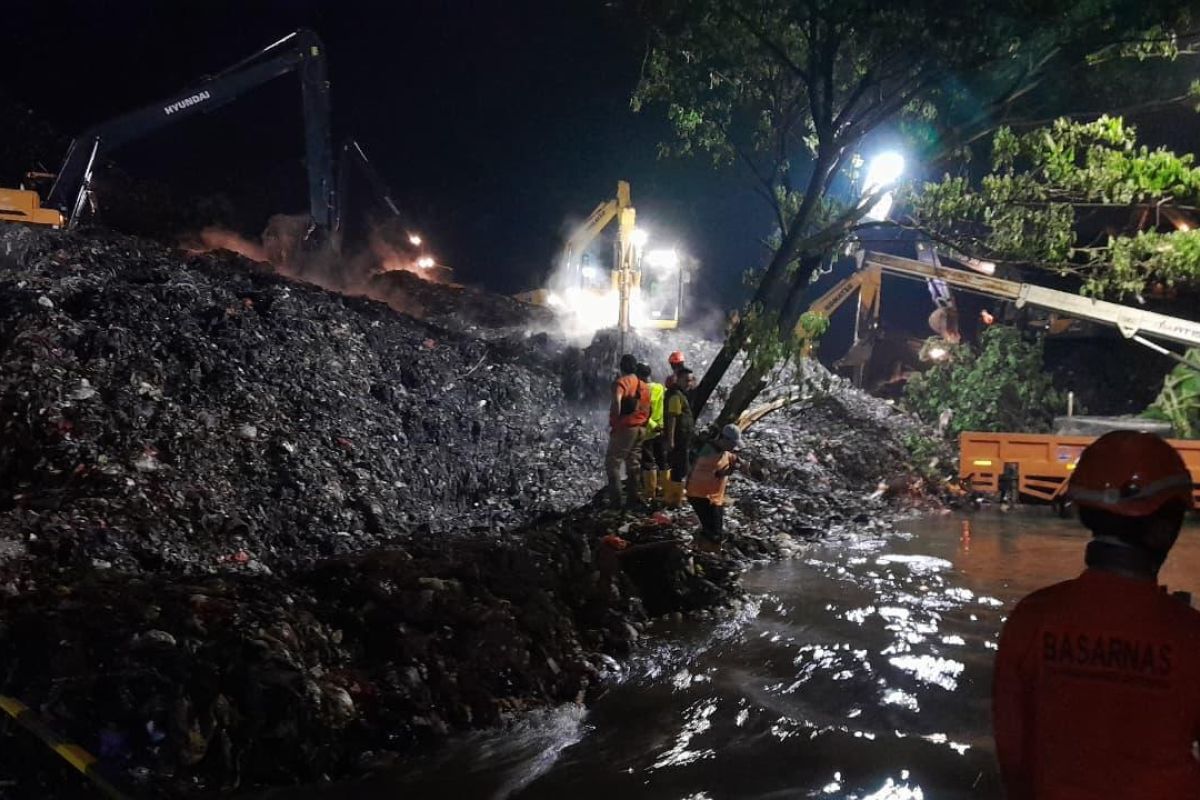
Jakarta (ANTARA) - “Like it or not, we must get used to sorting waste,” stated Jakarta Governor Pramono Anung, compelling the capital’s residents to adopt the habit of sorting waste at home. This is because the Integrated Waste Processing Site (TPST) Bantargebang, which has long been the mainstay for burying Jakarta’s waste, has thrown in the towel. Over 37 years, the site has accommodated around 80 million tons of waste from Jakarta. That timeframe is excessive for a final disposal site (TPA), according to Minister of Environment Hanif Faisol Nurofiq, who also firmly described Bantargebang as the tip of the iceberg resulting from Jakarta’s waste management failure. Therefore, the DKI Jakarta Provincial Government is urged to close the site. In the process, the provincial government must ensure that every area, including terminals, shopping centres, markets, and restaurants, manages its waste independently. The Provincial Government Complies Zone 4A at TPST Bantargebang has been closed. This zone is the area affected by the landslide in early March that claimed 13 victims, seven of whom died. The landslide incident has even occurred previously. In 2003, a landslide hit a settlement. Then in 2026, Zone 3 collapsed, burying dozens of scavengers and causing two deaths. Nevertheless, only Zone 4 has been closed. Zone 3 along with Zone 2 continue to operate to accommodate waste from Jakarta. To reduce the daily burden on the still-operating zones, the step of sorting and reducing waste from homes is being reinforced. This step is an important part of Jakarta’s long-term waste management strategy, as well as to reduce the burden of landfill entering the final processing site every day. This is not a new step, as in recent years, DKI Jakarta has invited residents to adopt this habit, and it has been strengthened in the last two years. Waste reduction at the source can be done through simple steps that the community can apply, including sorting waste into easily degradable categories, recyclable materials, residue, and household hazardous waste (B3). In addition, the community is encouraged to compost food waste and reuse items that still have utility value. The implementation of Governor’s Regulation No. 77 of 2020 on Waste Management in the Community Unit Scope has been carried out continuously since 2021, through the establishment of the Community Unit Waste Management Sector (BPS RW). Data from the DKI Jakarta Environmental Agency shows that by 2025, 2,755 BPS RWs have been formed, serving as the frontline in community-based waste management at the neighbourhood level. BPS RW also carries out waste reduction. Data from the fourth quarter of 2025 shows that of the total 2,755 BPS RWs formed, 2,351 BPS RWs or 85.34 percent are categorised as active. This activity is demonstrated through waste sorting at the community level, 3R activities, organic waste processing in the neighbourhood scope, and the establishment and operation of RW waste banks. By December 2025, neighbourhood-level waste management has driven the growth of households practising waste sorting. Based on BPS RW Information System data, the number of households that have sorted waste reaches 236,494 households or equivalent to 11.47 percent, exceeding the fourth quarter target of 11 percent. Meanwhile, the number of active waste banks reaches 2,083, with waste reduction for the period January 2025 to December 2025 amounting to 10,004 tons. However, this amount is not yet sufficient. Jakarta needs binding regulations for residents so that the habit of sorting waste becomes mandatory. A governor’s regulation (pergub) or regional regulation (perda) related to household waste sorting has been enacted. The community must sort waste into four categories: those that are easily degraded to be processed into compost; then waste that can be recycled, such as plastic, paper, and metals that can be channelled to waste banks. Then, B3 waste or hazardous and toxic materials; and residue waste that cannot be reprocessed. In the end, the DKI Provincial Government is tightening the waste sorting system so that not all of it is sent to Bantargebang. With better sorting, not all waste needs to end up at the final disposal site. Rorotan The Refuse Derived Fuel (RDF) Plant Jakarta facility in Rorotan, North Jakarta, is also being operated to help process Jakarta’s waste, while maintaining the stability of the waste management system post the Bantargebang landslide. Since 10 March 2026, RDF Rorotan has begun operations with an initial capacity of around 300 tons per day, then gradually increased to 1,000 tons per day. In addition to the RDF Plant Rorotan, waste processing is also carried out at the RDF Plant Bantargebang with a capacity of around 800 tons per day and at the Waste-to-Energy Power Plant (PLTSa) Merah Putih facility, with a capacity of around 100 tons per day. Through this scheme, the total waste that can be handled is estimated to reach around 6,700 to 7,150 tons per day. Experts consider this policy appropriate. Urban planning observer Sugiyanto stated that the operation of the RDF Plant Rorotan aligns with the precautionary principle in environmental management. Meanwhile, Executive Director of the Indonesia Public Policy and Economic Studies (IPPES) M Zulfikar Dachlan said that the operation of the RDF Rorotan facility should not be delayed any longer, even though some residents object. According to him, there is a greater interest, namely the people of Jakarta in waste management, so as not to burden TPST Bantargebang. Regarding the potential for odour, pollution, and environmental impacts that have been complained about by residents around the RDF Rorotan facility, there is a strategy in place.