
Neighbouring Country's Fuel Prices Rise by Rp 30,000/Litre Due to US-Israel War Against Iran
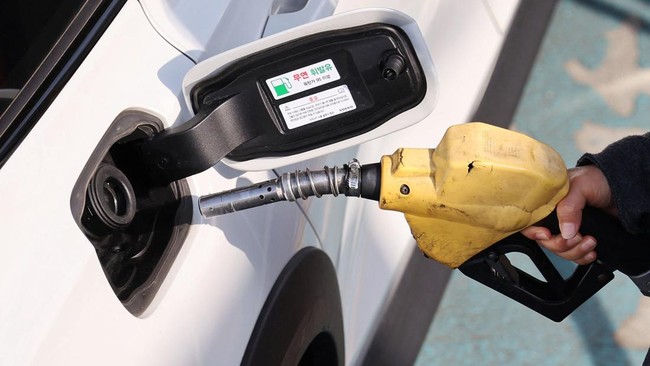
Jakarta, CNBC Indonesia - The price of diesel fuel in Cambodia has surged up to twice as high since the beginning of the conflict in the Middle East. This situation has triggered concerns among farmers ahead of the planting season.
According to official data from the Cambodian Ministry of Commerce, the diesel price rose to 7,500 riel per litre (Rp 30,500) on Wednesday (1/4/2026). This figure is an increase from 7,200 riel the previous day and 3,750 riel at the end of February.
This rise occurred following the escalation of the conflict in the Middle East, after attacks by the United States (US) and Israel on Iran on 28 February. The conflict has driven a spike in global oil and gas prices and increased concerns over fuel shortages, particularly in Asia, which is highly dependent on energy imports.
In addition to diesel, the price of regular petrol in Cambodia has also seen a significant increase, reaching 5,450 riel per litre (Rp 21,000) from around 3,750 riel at the end of February. As a country that is entirely reliant on fuel imports, the Cambodian government has implemented price caps to maintain domestic market stability.
The impact of these price increases is already being felt by farmers, particularly in key rice production areas. Bun Thoeun (71), a farmer in Battambang Province, admitted that the surge in diesel prices has sharply increased agricultural operational costs.
“High diesel prices have put farmers in a difficult situation,” said Bun Thoeun.
He added that tractor rental fees for ploughing fields have nearly doubled, from 80,000 riel to 150,000 riel. Meanwhile, ploughing activities are set to begin in May.
In addition to tractors, diesel is also used to operate water pumps for irrigating fields. The farmers hope that weather conditions can help alleviate the cost burden.
“We hope there will be plenty of rain; that will help,” he said.