
Neighbouring Country Panic Buying Fuel; Bahlil: Other Nations Not Our Reference
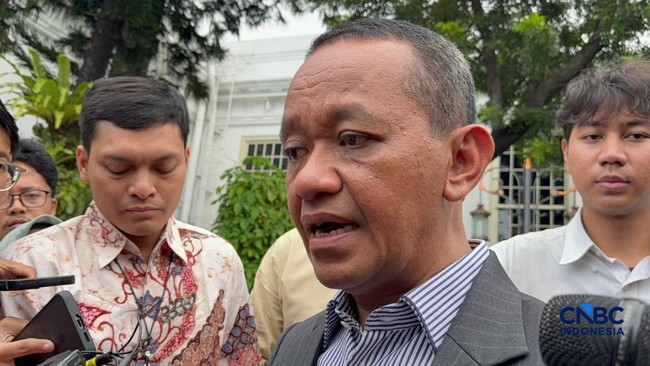
Jakarta — Indonesia’s Minister of Energy and Mineral Resources Bahlil Lahadalia has addressed concerns about fuel panic buying in Bangkok, Thailand, asserting that Indonesia operates under a distinct regulatory framework that differs fundamentally from neighbouring countries.
Bahlil stated that each nation maintains its own policies which cannot be directly compared to Indonesia’s situation. Indonesia operates two distinct fuel sales schemes: government-subsidised fuel and market-priced fuel.
“Do not use other countries as a reference. Our nation has baseline regulations that differ from those outside. We have two types of fuel: one subsidised by the state and one at market price,” Bahlil said during a meeting at the Energy and Mineral Resources Ministry office in Jakarta on Tuesday, 17 March 2026.
The minister assured that domestic fuel supplies remain secure at least until the Eid al-Fitr holiday period this year. The government will maintain control over fuel prices, particularly subsidised fuel within the country.
“The government has great concern for public welfare. We do not want to burden citizens with all the costs. So, God willing, we will not adopt patterns used by other nations. We understand that the state must be present for the people’s needs,” he said.
Regarding fuel availability post-Eid, after March 2026, Bahlil stated the government has already devised a strategy to secure fuel stocks and prices. “What matters is that we maintain all stocks to prevent fuel shortages in Indonesia—whether LPG, petrol, or diesel,” he added.
On pricing, the minister emphasised that the state will continue to provide subsidies. “The subsidy price level will depend on geopolitical developments,” he concluded.
This statement comes as long queues of vehicles formed at several petrol stations on the outskirts of Bangkok on Monday, 16 March 2026, as drivers rushed to fill diesel tanks before the government’s fuel price freeze policy ended. Traffic congestion resulted from the queuing to refuel at petrol stations outside a major fuel station. The diesel price freeze had been in effect for 15 days since early March.
The policy was scheduled to end on Monday, prompting a surge in demand as many drivers sought to refuel before possible price increases. The spike in demand caused several petrol stations to experience diesel shortages, with some drivers facing lengthy waits.
“We ran out of fuel because many people came to fill up. They came from everywhere,” said Poonyaporn Kerdphokha, a 31-year-old petrol station worker who has worked there for over 10 years.
Meanwhile, Thailand’s Deputy Prime Minister and Transport Minister Phiphat Ratchakitprakarn said the government would decide on further measures regarding diesel price adjustments following the end of the price freeze policy.