
Navigating "Soemitronomics" Amid a Budget Trilemma
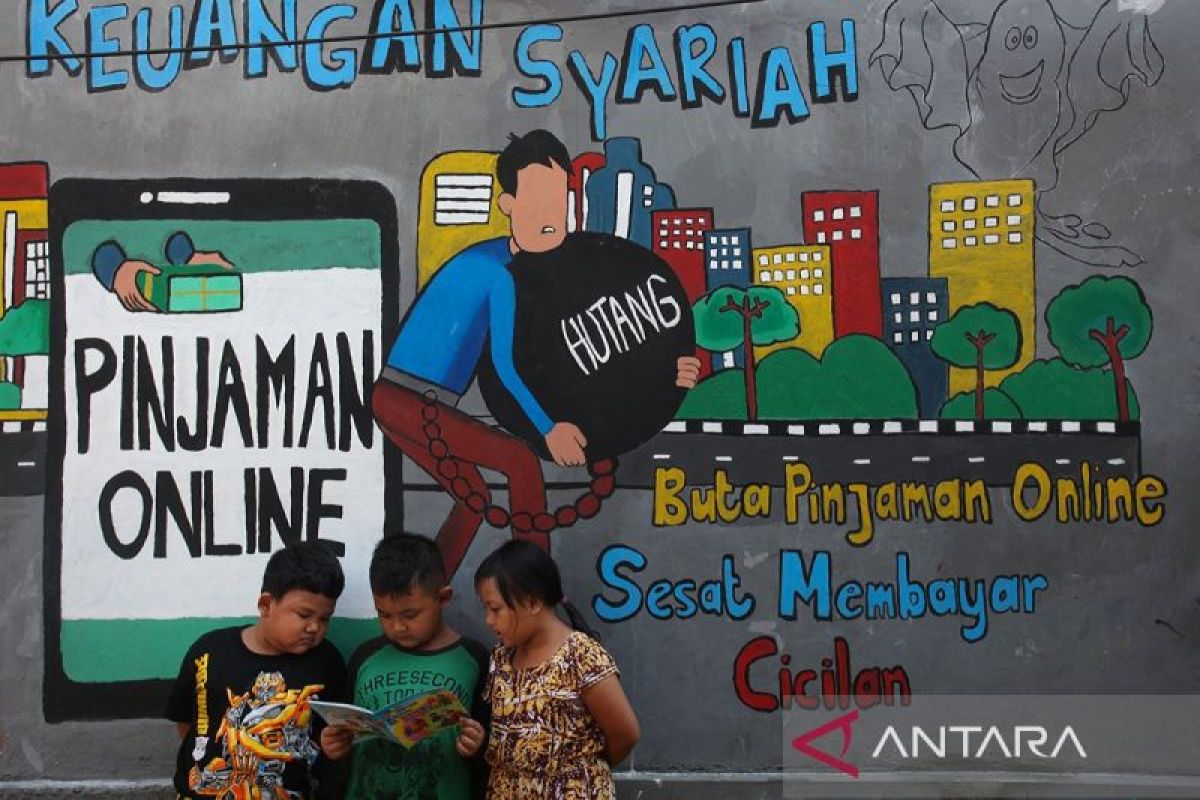
True economic growth must be able to protect the nation’s future sustainability, safeguard public common sense from misleading information, and ensure every family has access to dignified prosperity.
Jakarta (ANTARA) - Indonesia’s economic growth of 5.11 percent in 2025 is genuinely an achievement amid the global slowdown. Yet this figure also serves as a reminder that we are treading water in a trap of mediocre growth. If the ambition of Golden Indonesia 2045 is to remain relevant, the eight percent growth target is no longer mere political rhetoric but an existential necessity to escape the middle income trap.
The main challenge lies in a budget trilemma: the need for large expenditures on infrastructure and welfare, keeping the deficit at safe levels, and limited tax capacity to avoid overburdening the people. To address this, Indonesia needs a bolder economic prescription — a modern manifestation of “Soemitronomics” capable of orchestrating all components of Gross Domestic Product in a measured manner.
Dissecting the fundamental GDP formula — GDP = C + I + G + (X - M) — provides a clear roadmap for President Prabowo Subianto’s administration.
The first variable: household consumption (C). Public consumption will not rise if people remain trapped in consumer debt. This is where the urgency of breaking the destructive online lending chain becomes a fundamental step. Transforming debt-based consumption behavior toward civic self-reliance through robust family financial literacy is the primary foundation. The public must be encouraged to adopt a decision-making framework that safeguards five core pillars: religion, life, lineage, intellect, and property. When these pillars are preserved, the resulting consumption is no longer impulsive spending that benefits foreign platforms but rather productive consumption that drives the local economy and strengthens domestic resilience against global turbulence.
The second variable: investment (I). Investment is often hampered by idle credit in the national banking system. Indonesian banks must transform into true pure intermediaries that do not passively wait for customers but actively seek them out and employ smarter risk mitigation. One of the main barriers to investment in the MSME sector is weak financial accountability, which makes it difficult for them to access capital. The solution is the standardization of financial reporting models capable of automatically and simply generating profit and loss statements, balance sheets, and cash flow reports for micro-business operators. When MSMEs become bankable, investment will flow abundantly into the real sector, creating widespread employment and generating a far greater multiplier effect than speculative capital market investments.
In the context of productive justice, sharia financial instruments such as temporary stock waqf can serve as a breakthrough to strengthen asset ownership in the hands of workers. By integrating stock waqf into corporate structures, we not only promote sustainable investment but also ensure that economic growth is equitably enjoyed by those on the front lines of production. This is the antithesis of predatory capitalism that has long widened the inequality gap.
Synchronization