
Natuna UPTD PPA Psychologist: PP Tunas Becomes Foundation for Children's Social Change
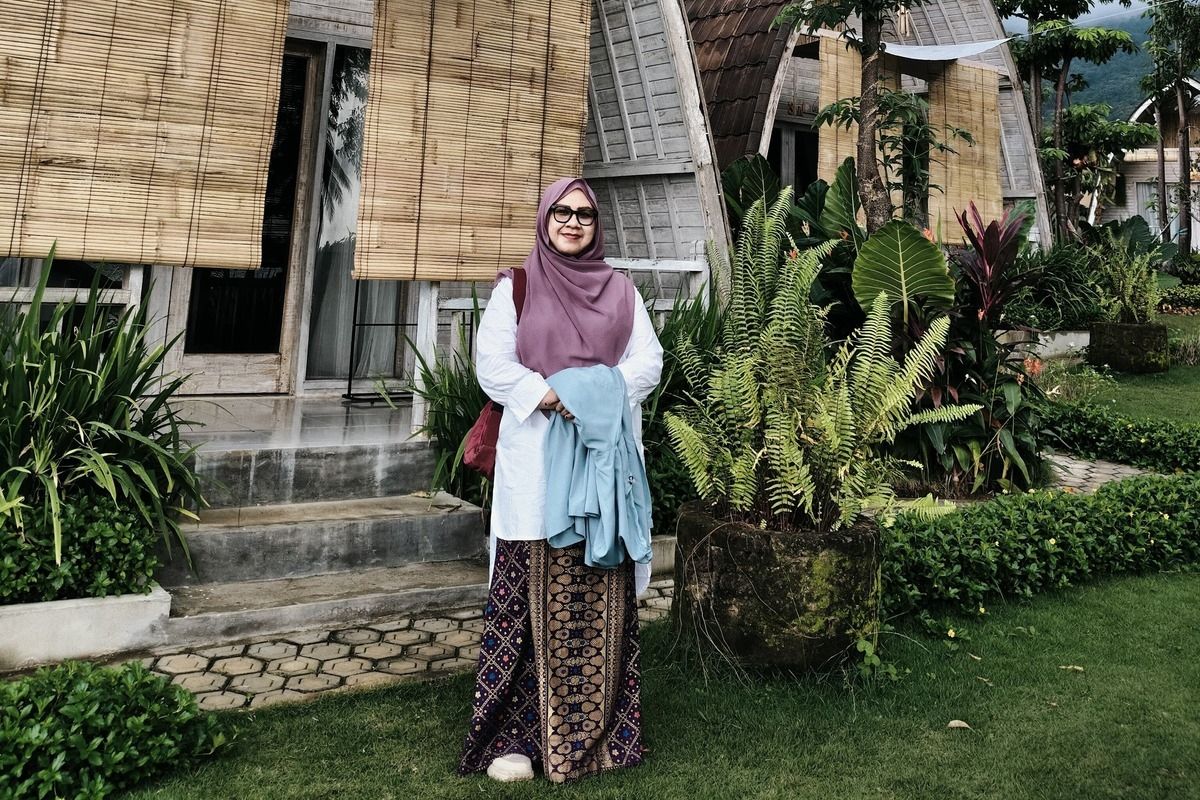
Natuna - A psychologist at the Technical Implementation Unit for Women’s and Children’s Protection (UPTD PPA) in Natuna Regency, Riau Islands Province, Sumarni, views PP Tunas as a strong foundation in driving positive social changes for children. Confirmed from Bintan on Thursday, Sumarni stated that if children have more time to interact with peers through positive group activities, they will grow with good social skills. Thus, in the long term, children will be able to develop empathy, recognise their potential, face challenges, and optimally utilise opportunities. Furthermore, the presence of Government Regulation No. 17 of 2025 (PP Tunas), followed by the Ministerial Regulation on Communication and Digital Affairs No. 9 of 2026, has the potential to increase children’s learning focus, as there is control over gadget use and social media content. “With these regulations, children have more time to interact with peers, which has a positive impact on physical and mental health,” she said. According to her, the digital space inherently has negative and positive impacts. On the negative side, the digital space can lead to addiction, expose children to cyberbullying, and provide access to age-inappropriate content and applications. She explained that under the age of 16, the prefrontal cortex part of the brain is still developing, so the ability to control emotions and make decisions is not yet optimal. On the other hand, social media use in accordance with regulations can have positive impacts. Children can become more productive, use technology safely, and develop their potential. Children, she continued, can utilise social media to participate in competitions, write, share educational activities, or create inspirational creative content for their peers. She emphasised that the success of this policy requires collaboration between the government, society, parents, teachers, and children so that protection in the digital space can function optimally. “Parents are the main figures in implementing this policy, as they have full control over their children. Supervision and guidance from parents need to be carried out well and maximally. To implement that, parents must learn to communicate openly with their children,” she explained.