
NATO Responds to Iran's Retaliatory Attack Against US-Israel, War Widening?
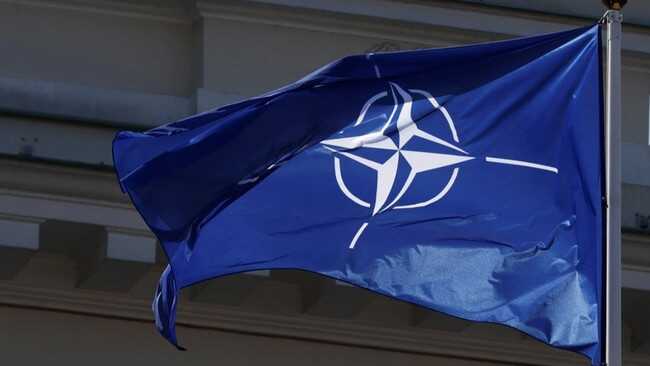
Jakarta, CNBC Indonesia - The North Atlantic Treaty Organisation (NATO) has responded to attacks by the United States and Israel. Previously, these attacks resulted in retaliation from Tehran against Tel Aviv and several Arab nations hosting American military bases.
NATO’s top commander in Europe said the alliance is now “carefully” monitoring developments in Iran and the Middle East. NATO will adjust its forces as needed to defend against “potential threats”.
“We have and will continue to adjust NATO’s very strong force posture to ensure the security of our 32 member states and to defend the Alliance from potential threats,” NATO stated in a release attributed to US General Alexus Grynkewich, posted on X on Monday (2 March 2026).
The statement specifically mentioned the threat of “ballistic missiles or unmanned aerial vehicles originating from this region or other regions”. NATO’s statement referred to a “land, air, sea, cyber, and space” domain approach.
“This constant high state of readiness is designed to deter enemies, monitor threats, and provide rapid and coordinated response to any crisis,” it added.
Existential War
Previously, Colin P. Clarke, a terrorism expert at the Soufan Center think tank, stated that the US and its allies must be prepared for various retaliatory actions from Tehran that extend beyond the Middle East. For Iran, he stressed, this is an existential war.
“And because of that, I fully expect Tehran will activate whatever dormant cell capacity it has in the West to make this painful for the US and Israel,” he explained.
“Hezbollah and other assets may attempt to carry out attacks in Europe, North America, et cetera,” he added.
Still Measured and Rational?
Although Iran’s retaliatory attacks so far have covered various regions in the Middle East, analysts suggest Iran may be holding a large reserve of missiles. It was previously reported that Iran has purchased weapons from Russia and China.
“We have not yet seen a saturated attack intended to overwhelm layered air defences,” said Alex Plitsas, an Iran expert at the Atlantic Council think tank.
“It is unclear whether this is due to US and Israeli strikes against missile supplies, Iran holding missiles in reserve, Iran testing defences, or a combination of all of these,” he said.
“Besides Bahrain, Iran’s attacks have been largely aimed at US military targets in places such as Iraq, Kuwait, Qatar, and the United Arab Emirates. Iran’s response so far has been measured and rational,” Plitsas said.