
NATO Intercepts Iranian Missile Believed Aimed at Cyprus, Not Turkey
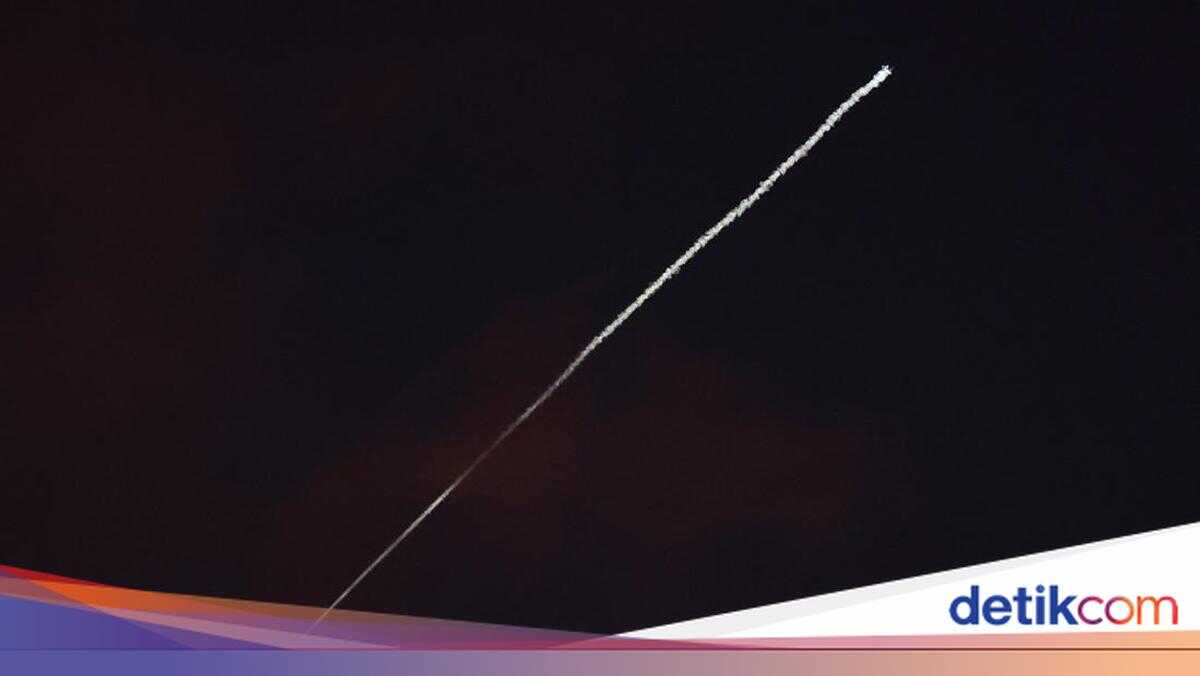
A ballistic missile launched from Iran toward Turkish airspace via Iraq and Syria was shot down by NATO air defence systems. The missile was said to have been aimed at Cyprus, not Turkey.
AFP reported on Wednesday (4 March 2026) that the Turkish Ministry of Defence said the missile had been ‘blocked and neutralised by air defence and missile assets of NATO stationed in the eastern Mediterranean’. They did not specify the target.
An unnamed Turkish official told AFP that the missile was ‘aimed at bases on Greek Cyprus but veered off course’.
Officials said fragments that fell in the Dortyol district in southern Turkey, near the border with Syria, were identified as parts of the interceptor used to neutralise the ‘air threat’. No casualties were reported.
‘NATO stands firmly with all allies, including Turkey, as Iran continues indiscriminate attacks across the region,’ NATO spokesperson Allison Hart told AFP, using Turkey’s official name.
‘Our deterrence and defence posture remains strong across all domains, including air defence and missiles.’
Turkey, a NATO member with a predominantly Sunni Muslim population, shares a border of around 500 kilometres (315 miles) with Iran.
President Recep Tayyip Erdogan, who maintains good relations with US President Donald Trump despite often criticising Israel, insisted that the US-Israel strikes— which prompted Tehran’s retaliation — were ‘illegal’.
In an interview, Foreign Minister Hakan Fidan also criticised Iran’s indiscriminate retaliation across the Gulf states, calling it a ‘wrong strategy’. ‘The underlying strategy seems to be: ’If I am going to sink, I will drag the region down with me’,’ Fidan added.
Following the missile incident, Ankara warned Tehran not to take steps that could widen the conflict. Fidan told his Iranian counterpart in a telephone call that ‘all steps that could widen the conflict must be avoided’, a foreign ministry source said.
Analysts said the trajectory of the Iranian missile and its destruction by NATO systems heightens the stakes for a regional war, though there is no clear evidence that Iran intended to strike Turkey.
‘Turkey does not want to be involved in US-Israel attacks on Iran, which it has criticised, but if Iran launches more missiles clearly aimed at targets in Turkish territory, Ankara will consider direct retaliation of its own,’ said Hamish Kinnear of risk intelligence firm Verisk Maplecroft.
The defence ministry said ‘all steps necessary to defend our territory and airspace will be taken firmly and without hesitation’. ‘We reiterate that we reserve the right to respond to any hostile action directed at our country,’ he added.