
National Police Inaugurates Seven Research Centres: Police Technology and Women and Child Protection
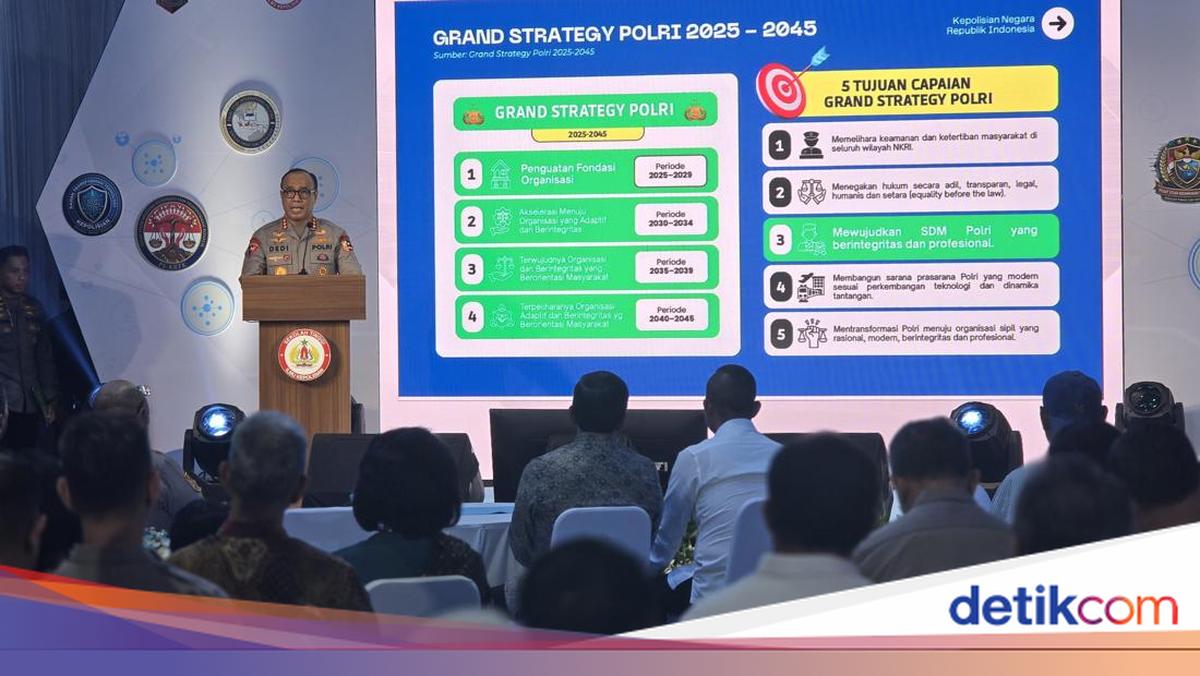
Indonesia’s National Police (Polri) has launched seven research centres at the Police Science Higher Education Institution/Higher Education Institution of Police Science (STIK/PTIK) Education and Training Institute (Lemdiklat). The research centres cover areas ranging from police technology science to women and child protection and human trafficking offences.
The inauguration of the seven research centres was led by Deputy National Police Chief Komjen Dedi Prasetyo at the STIK/PTIK Lemdiklat Polri complex, Jalan Tirtayasa Raya, Kebayoran Baru, South Jakarta, on Tuesday (10 March 2026). The event was also attended by the Advisor to the Chief of Indonesia National Police, Senior Police Commissioner Nakanishi Akira, and a representative from the Russian Embassy to Indonesia.
“The inauguration of these research centres, the development of research centres, and the building of networking amongst them demonstrates how important Polri views human resources as the driving force within an organisation. These research centres represent the realisation of Polri’s fourth Asta Cita and also the Grand Strategy of Polri,” said Komjen Dedi in his remarks.
Dedi outlined the objectives of establishing these centres. First, they serve as a means of implementing knowledge that has been acquired. “These research centres are mechanisms for implementing knowledge, science and technology into concrete actions and practical implementation by police personnel,” explained Komjen Dedi.
Second, the purpose of establishing these various research centres at PTIK is to serve as a means of standardising Polri’s human resources to be more professional. In the future, research findings produced by these centres are expected to be integrated with adaptive and modern security strategies.
“These research centres serve as a means of global standardisation through evidence policing, aimed at strengthening Polri’s professionalism by integrating the results of academic research into the development of adaptive and modern security strategies,” continued Komjen Dedi.
Regarding the purpose of establishing the centres, the former Kalimantan Tengah Regional Police Chief expressed hope in building an ecosystem of knowledge for both internal Polri and external stakeholders. The police science research centre can become a space for communication and dialogue between PTIK and external universities.
“The police science research centre also builds an ecosystem of internal and external knowledge, creates networking, and opens spaces for communication and academic dialogue with universities outside PTIK,” said Komjen Dedi. “It will integrate internal research centres with academic expertise from several universities that we collaborate with,” he added.
Komjen Dedi described the police science research centre as a national security investment. “Collaborating strategies as an investment in national security, and making this police science centre a Centre of Excellence,” concluded the former head of the General Supervision Inspectorate (Irwasum) of Polri.
The following Police Science Research Centres were launched:
Police Technology Research Centre, headed by Irjen Suwondo Nainggolan, Logistics Assistant to the National Police Chief
Police Forensics Research Centre, headed by Irjen Asep Hendradiana, Head of Police Medical Services
International Policing Research Centre, headed by Komjen (retired) Petrus R. Golose
National Security Research Centre, headed by Professor Muradi
Women and Child Protection Research Centre, headed by Brigjen Nurul Azizah
Restorative Justice and Conflict Transformation Research Centre, headed by Andrea H. Poeloengan
Security Intelligence Research Centre, headed by Irjen Achmad Kartiko
In addition to the launch of the seven research centres, Polri also released a book titled ‘Recruitment, Meritocracy and Technology’, which is a work authored by Komjen Dedi.