
National Orchestra: Indonesia's Strategy to Face the Global Energy Crisis
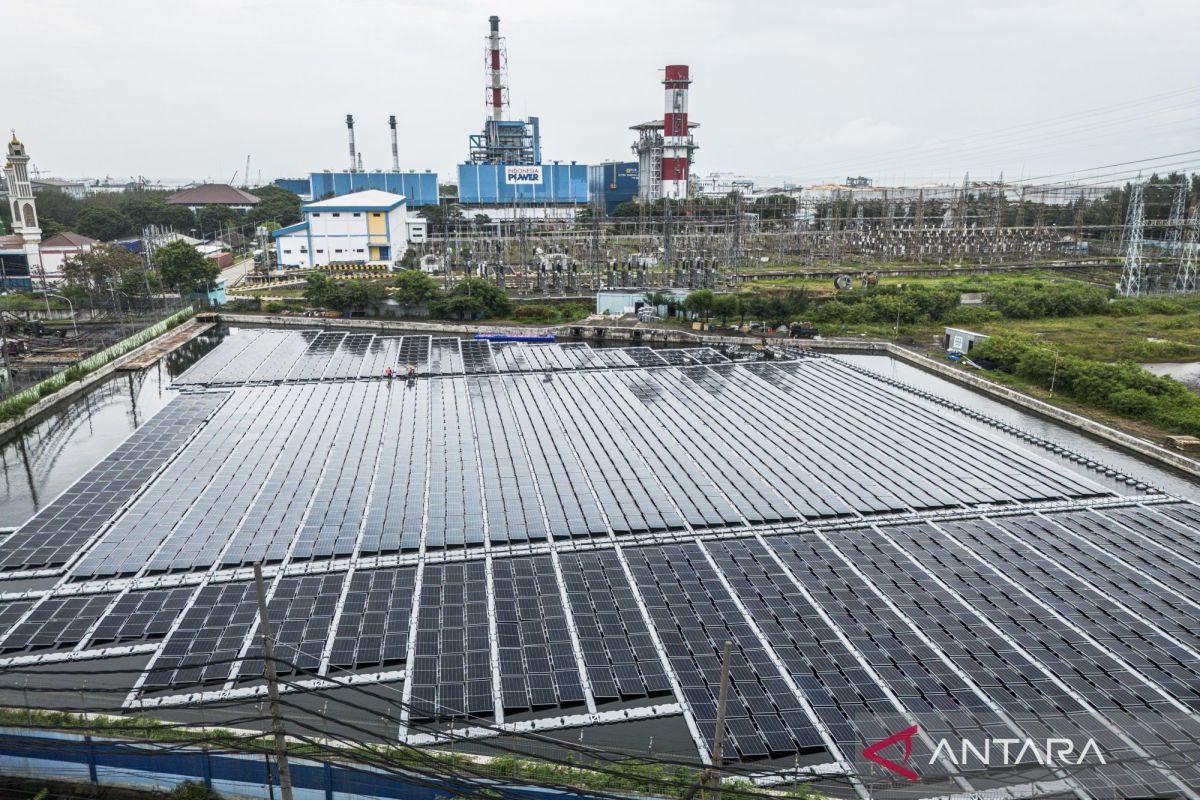
The energy storm from the Strait of Hormuz serves as a test of the nation’s resilience. Energy sovereignty is no longer mere rhetoric but the result of tactical courage in reorganising supply maps and accelerating self-reliance.
Jakarta (ANTARA) -
Escalation of conflict in the Middle East involving the United States, Israel, and Iran has shaken global energy supply stability and created uncertainty in world oil prices.
As a net oil importer, Indonesia is in a vulnerable position against price surges that could pressure the state’s fiscal space and threaten national economic stability.
Without anticipatory measures, public purchasing power risks being eroded by rising logistics costs. This situation demands robust fiscal protection policies to prevent the domestic economy from plunging into crisis.
The current nadir of concern lies in the Strait of Hormuz, the world’s energy lifeline that channels 20 percent of global oil trade, now under strict Iranian surveillance.
President of the Republic of Indonesia Prabowo Subianto understands this emergency as a momentum to reinforce energy sovereignty. Savings are no longer an option but an independent effort to stand on one’s own feet.
The responsive strategy formulated by the government aims to keep the national economy’s pulse beating steadily, without being held hostage by increasingly volatile international energy price fluctuations.
Indonesia’s major steps begin with the public sector ranks as pioneers of the efficiency movement. This effort aims to present tangible institutional leadership before inviting the wider public to follow suit.
The transformation includes implementing flexible work schemes for civil servants (ASN), run in parallel with strengthening digital platforms, strict restrictions on official travel mobility, and optimisation of office building operations.
This step is not merely an emergency response but part of digital-based bureaucratic modernisation to reduce physical mobility that significantly contributes to transport fuel consumption.
The utilisation of technology now serves as the main instrument to modernise work governance. This enables a reduction in the frequency of physical travel without disrupting the quality of inter-agency coordination.
In the education sector, the government is also adjusting online and offline learning methods according to subject characteristics. However, practical activities remain directed to be conducted face-to-face to maintain student competency quality.