
National Nutrition Agency to improve the quality of Free Nutritious Meals service through training
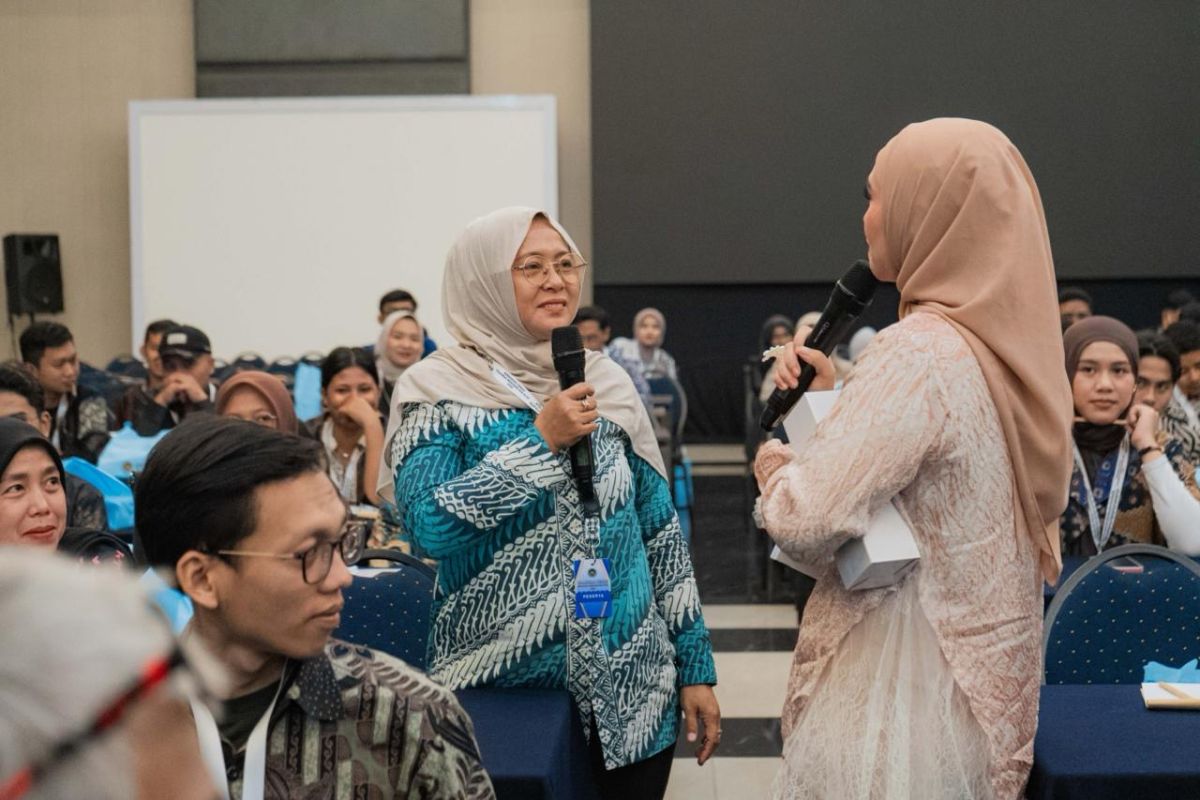
Jakarta – The National Nutrition Agency (Badan Gizi Nasional, BGN) is raising the quality of the Free Nutritious Meals (MBG) service provision through training for MBG food handlers and by accelerating the issuance of the Hygiene and Sanitation Feasibility Certificate (Sertifikat Laik Higiene Sanitasi, SLHS) to partners and field staff.
This activity aims to strengthen the capacity of food handlers in applying food hygiene and sanitation standards, said Irjen Pol (Ret) Sony Sonjaya, Deputy Head of the National Nutrition Agency of the Republic of Indonesia for Operational Nutrition Fulfillment, in Jakarta on Sunday.
In addition, this step is also to accelerate the SLHS issuance process for MBG kitchens at the Satuan Pelayanan Pemenuhan Gizi (SPPG), which are a crucial part of MBG program implementation.
He stated that the training consists of technical guidance carried out simultaneously in eight regional offices of the Nutrition Fulfillment Programme Coordination (KPPG): KPPG Jakarta, KPPG Bogor, KPPG Bandung, KPPG Cirebon, followed by KPPG Semarang, KPPG Sleman, KPPG Surabaya and KPPG Jember, with around 500 participants each day.
He emphasised that nutritious food is a right for all Indonesian children, so the quality of food provision must be a shared concern.
The technical guidance is a strategic move by the government to improve the quality of national nutrition fulfilment services through enhancing the knowledge and skills of food handlers.
He added that the MBG programme has grown rapidly with substantial community involvement, evidenced by the establishment of more than 25,000 SPPG across Indonesia, most of which were initiated by partners or community-based foundations.
“Raising the capacity of human resources involved in SPPG kitchens is an important step to ensure that food safety and quality standards are maintained,” he said.
He noted that, with SLHS, MBG activities or the production of nutritious meals are carried out in places where the facilities and infrastructure are guaranteed to be clean and healthy. “That is why it is called Hygiene and Sanitation Feasibility,” he said.
He added that after a period of not conducting trainings, today the agency is restarting food handler training and accelerating SLHS issuance.
He cited Garut Regency, West Java, where 800 participants from SPPG representatives, volunteers and partners/yayasan are actively involved in MBG distribution to undertake SPPG certification held on Saturday (7 March) and Sunday (8 March).
“If 30 days pass and registration is not completed, the MBG SPPG operations will be halted,” he said.
He noted that 25,061 SPPG have already undergone on-site inspections by the Monitoring and Supervision Directorate.
“Some SPPG clearly do not meet the requirements. They are given first warnings, second warnings, and some are immediately halted,” he said.
Meanwhile, the Deputy for Distribution and Provision of the National Nutrition Agency, Brig-Gen (Ret) Suardi Samiran, stressed that the quality of food is determined not only by the ingredients used but also by processing, storage and presentation.
He also emphasised that through the Technical Guidance for Food Handlers and the Acceleration of SLHS, the government aims to ensure all personnel involved have adequate knowledge, skills, and awareness in carrying out their duties at each SPPG.
“In addition, accelerating SLHS issuance is an important priority as a form of commitment and accountability of SPPG in providing safe, hygienic and meeting sanitation standards,” he said.