
National Nutrition Agency Requires Food Service Units to Display Price and Nutritional Content Labels
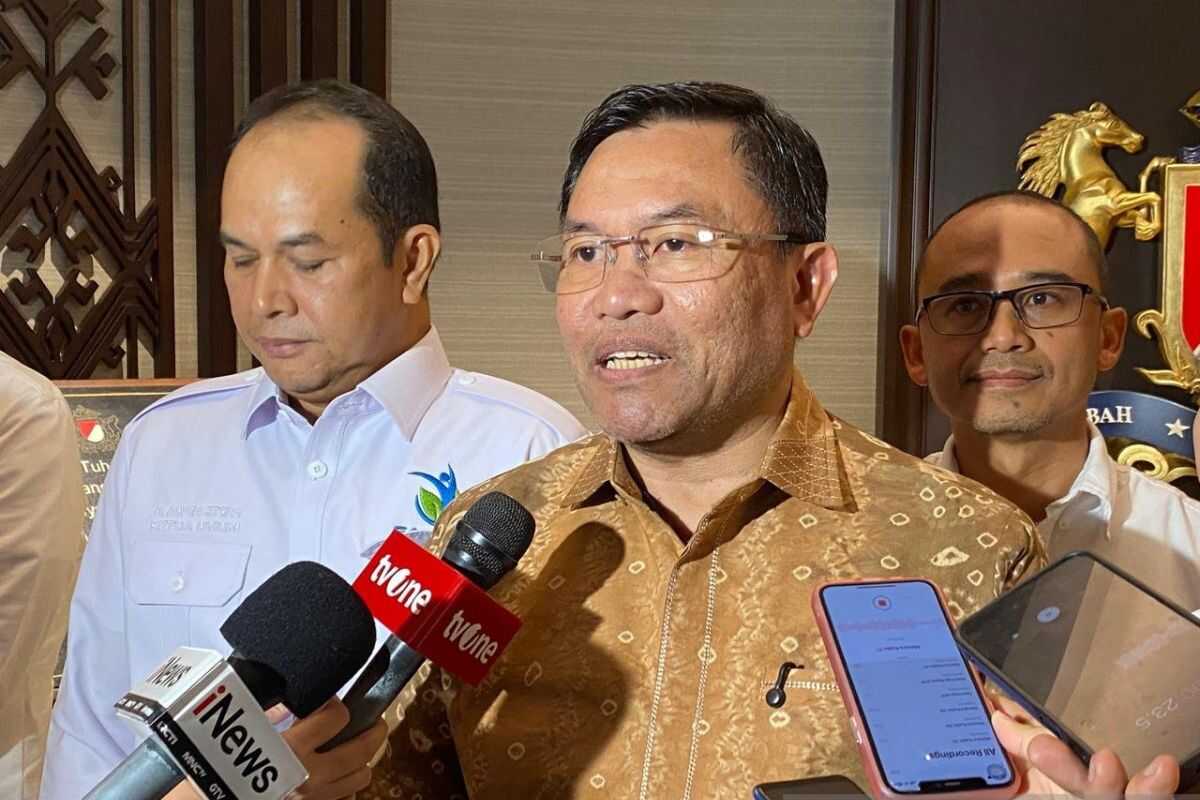
Jakarta - Indonesia’s National Nutrition Agency (BGN) has mandated all Nutrition Service Units (SPPG) to display price labels and nutritional content information on every menu item under the Free Nutritious Food programme (MBG) to improve transparency and accountability to the public.
“Our directive to all SPPG is that they must implement nutritional content and price labels on every meal provided,” stated Sony Sonjaya, Deputy Head of BGN, during an MBG Talks event in Jakarta on Friday.
This measure is expected to encourage transparency and accountability among food service partners while preventing practices that compromise food quality. With price information displayed openly, all food components must be listed at actual market prices. Operational costs should not be factored into ingredient pricing, as separate operational support averaging Rp3,000 per portion is already allocated by BGN.
Consequently, any attempts to reduce ingredient quality whilst maintaining stated prices will be easily detected. Sony noted that this transparency is intended to foster a sense of responsibility and accountability among partners to maintain food quality standards for the public.
When asked by journalists whether sanctions would be imposed on SPPG units failing to display price labels, Sony explained that the policy would be implemented gradually. “Of course, gradually. I only issued the order three days ago. This is to improve quality. So at the very least, for those intending to act dishonestly, such as reducing quality, the public will then exercise oversight. Egg prices, banana prices - these must be written down, must be labelled,” Sony said.
In response, the Indonesian Nutritious Food Entrepreneurs Association (Gapembi) refuted allegations that SPPG partners received undue state benefits or engaged in harmful practices. Gapembi Chairman Alven Stony explained that investment in kitchen and SPPG infrastructure facilities came from partners, not from state budgets. The state only provided incentives, whilst business risks remained the responsibility of partners.
“SPPG facilities are built with UMKM investment. Most of us are from the UMKM sector. So we ask the public to understand that as BGN partners, we invest first - not from the state budget - covering land acquisition, building infrastructure, equipment, wastewater treatment systems, and everything else,” Stony said.
He stated that partners consistently followed BGN’s technical guidelines, with intensive coordination occurring between them, including efforts to innovate menus during periods of price increases or food scarcity without compromising nutritional value. Stony explained that pricing could not be determined unilaterally because kitchen operations were supervised by SPPG heads, nutrition supervisors, and accounting supervisors. Cost determination was said to follow actual operational costs and established quality standards.
Therefore, Stony stressed that there were no inflated pricing or quality degradation practices among Gapembi member SPPG partners, and suggested that public perception differences might stem from incomplete communication of information.