
National Nutrition Agency Calls for Food Safety Standards Implementation in Free Nutritious Meal Programme Kitchens
Jakarta — Indonesia’s National Nutrition Agency (BGN) has called upon Nutrition Provision Service Units (SPPG) to implement stringent food safety standards at every stage of kitchen operations to maintain the quality of meals provided under the Free Nutritious Meal Programme (MBG).
“Food safety standards must be applied comprehensively at every stage of SPPG kitchen operations,” said Deputy Head of Distribution and Provision at the National Nutrition Agency, Brigadier General (Retired) Suardi Samiran in Jakarta on Monday.
He noted that food quality is determined not only by the ingredients used but also by food processing, storage and presentation methods.
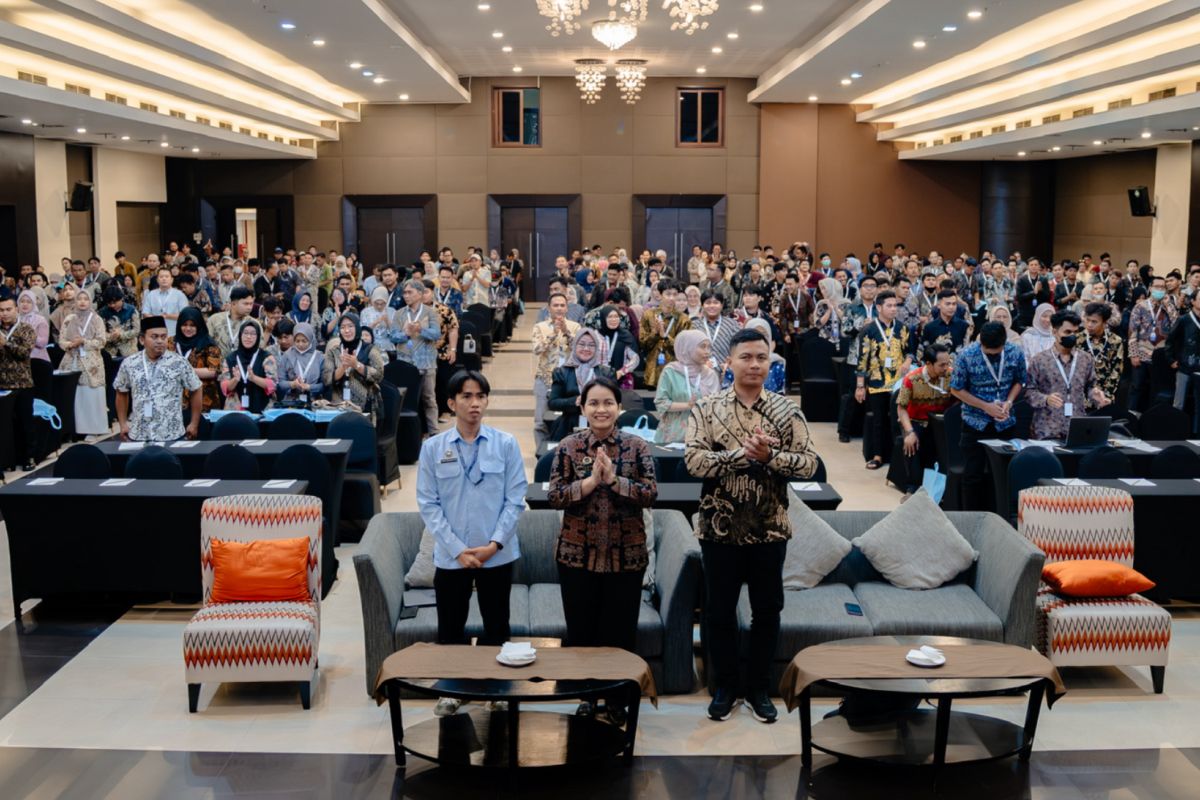
The agency conducted Technical Guidance for Food Handlers in the MBG Programme and Accelerated Provision of Hygiene Sanitation Certificates to Strengthen Food Safety Standards at SPPG on 7-8 March 2026. The activity was held simultaneously across eight Regional Nutrition Provision Coordination Offices (KPPG) including those in Jakarta, Bogor, Bandung, Cirebon, Semarang, Sleman, Surabaya and Jember, with approximately 500 participants attending daily.
According to Samiran, the initiative aimed to strengthen the capacity of food handlers in implementing food hygiene and sanitation standards, whilst accelerating the issuance of Hygiene Sanitation Certificates (SLHS) for SPPG kitchens as a critical component of MBG programme implementation.
The government sought to ensure that all personnel involved possessed adequate knowledge, skills and awareness in performing their duties at respective SPPG facilities. The acceleration of SLHS certification represents a key priority as a manifestation of SPPG’s commitment and accountability in providing safe, hygienic and standards-compliant nutritious meals.
Meanwhile, Director of Regional Provision and Distribution II, Dr. Nurjaeni, stated that the activity represented an initial step in establishing mechanisms for ongoing mentoring and monitoring of SPPG operations across various regions.
Through inter-agency coordination, it was hoped that the SLHS certification process would extend beyond training alone, continuing through to certificate issuance and consistent application of hygiene sanitation standards in the field. This approach was expected to strengthen SPPG kitchen operational governance and improve food processing quality.
“We wish to ensure that the MBG programme truly delivers optimal benefits to communities through the provision of safe, healthy and quality food,” she said.