
National Energy Resilience Strategy: Indonesia's Transition Roadmap 2025–2060
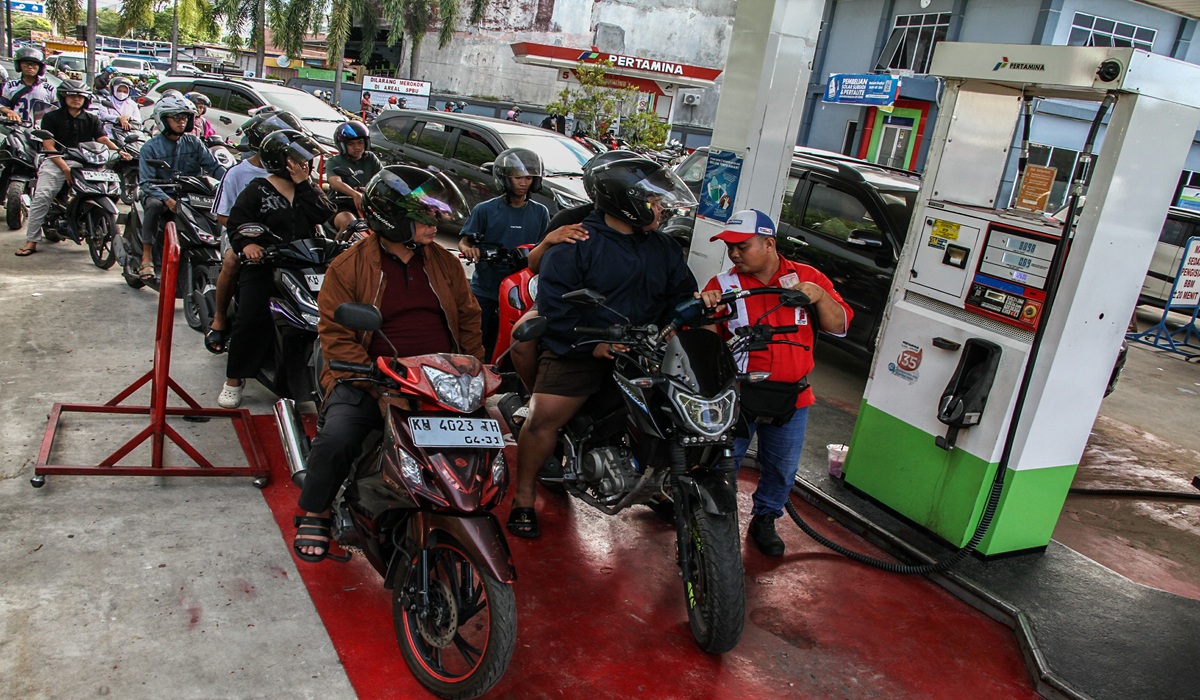
National energy demand is projected to continue rising in line with population growth and economic expansion. Facing this challenge, the government together with energy companies are urged to accelerate exploitation of domestic resource potential to break dependence on energy imports.
Energy transition expert and Senior Fellow at SC UPER, Retno Gumilang Dewi, emphasised that energy independence is the key to national stability amid global uncertainty. She spoke during a discussion titled ‘Increasing Resilience and National Energy Transition Through Strategic Transformation of Pertamina’ in Jakarta, on Tuesday (19 May 2026).
‘The aspect that will stabilise our energy supply is to utilise our own wealth. By exploiting it, we will not be affected by geopolitical crises as those currently occurring,’ Retno said.
According to Retno, energy issues have shifted from merely a supply concern to a crucial geopolitical instrument. Countries around the world are competing to secure their own energy supplies. Therefore, Indonesia must be more autonomous in managing domestic energy potential to shield itself from global fluctuations.
Retno outlined projections of significant growth in national energy demand through 2060 as follows:
During the event, Retno outlined three strategic stages in Indonesia’s energy transition road map toward the Net Zero Emission (NZE) target by 2060:
Although the target for clean energy has been set, Retno warned that the transition cannot be done instantly. Fossil energy is still vital to maintaining supply security during the transition.
‘If the energy shift is undertaken abruptly, its impact on the economy and society will be substantial. The transition must be gradual, while continuing to prioritise energy resilience,’ she asserted.
The transport sector is a major focus as it is the largest consumer of BBM (Bahan Bakar Minyak). Retno advised the government to strengthen the electric vehicle ecosystem, use gas for mass transport, and consistently develop low-emission fuels.
This strategic discussion was also attended by several prominent figures, including Indonesia’s Secretary-General of DEN Dadan Kusdiana, Director of Dragging/Gas Program Development under the Ministry of Energy and Mineral Resources Hendra Gunawan, and Pertamina board members Oki Muraza, Raden Adjeng Sondaryani, and Agung Wicaksono. Also present were Reforminer Institute Executive Director Komaidi Notonegoro and upstream oil and gas analyst Benny Lubiantara. (Z-1)
President Prabowo Subianto praised Polri’s innovation in processing corn cob waste into charcoal briquettes. He said such steps could be an important part of strengthening national energy resilience and enhancing Indonesia’s strategic position in regional energy supply chains.
The discussion covered, among other things, efforts to address the prolonged dry season and El Niño impacts in 2026–2027, food stock reserves, and the potential distribution of food surpluses between provinces.
The Head of State noted that the BIMP-EAGA region has great potential in developing renewable energy.
Norman Ginting was officially appointed as Acting Chairperson of the Indonesian Renewable Energy Society (Masyarakat Energi Terbarukan Indonesia).
PT Pertamina Geothermal Energy Tbk (PGE), a geothermal-based renewable energy company, continues to strengthen its role in supporting the Net Zero Emission target.
PLN EPI projects gas requirements for power plants to grow 4.5% per year through 2034. LNG will be key amid the surge in national electrification.
For Indonesia, energy transition is a driver of economic growth.
Battery waste governance discussed at The Battery Show Asia - Indonesia 2026.
Staff maintain solar panels at Istiqlal Mosque, Jakarta.