
National Energy and Mineral Resources Command Post Opened for Ramadan 2026, Energy Supply Assured Safe
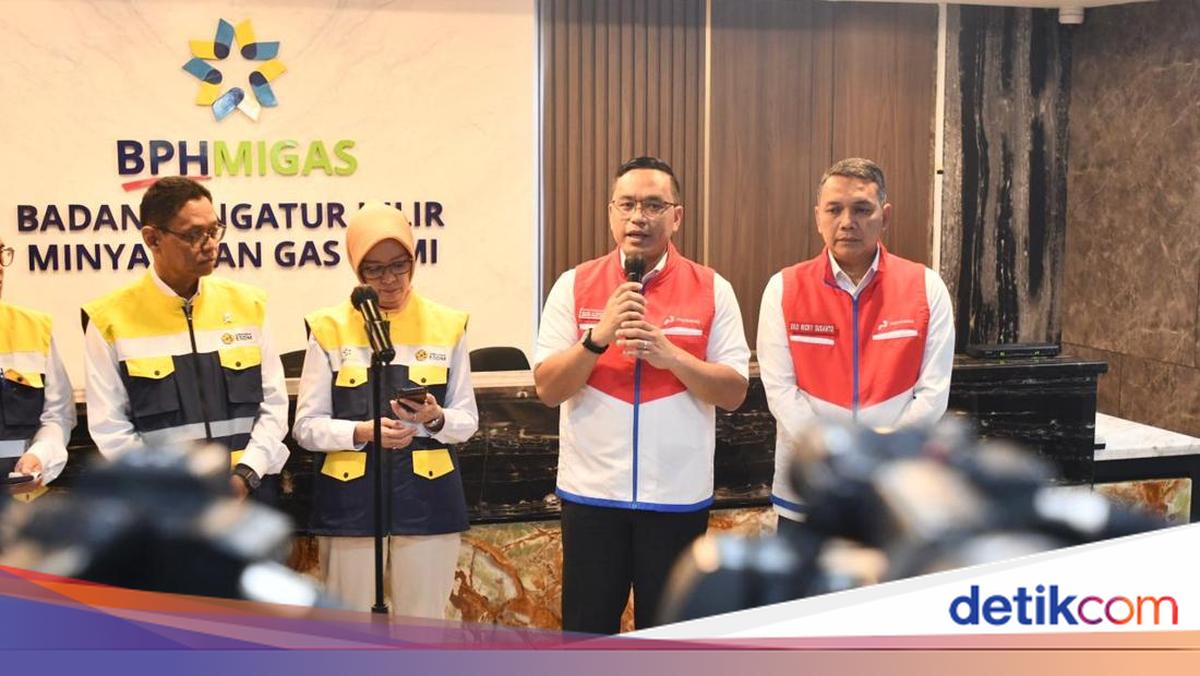
Indonesia’s National Command Post for the Energy and Mineral Resources (ESDM) sector has been officially opened by the government through the Ministry of Energy and Mineral Resources, serving as a monitoring and coordination centre for energy services during the 2026 Ramadan holiday season and Eid al-Fitr celebration ahead of the annual exodus of residents.
The command post is expected to serve as a reliable information centre regarding the availability of fuel oil (BBM), liquefied petroleum gas (LPG), electricity, and information about geological disaster potential throughout Ramadan and Eid al-Fitr. The facility will operate for 20 days, from 12 March to 31 March 2026, and is located at the BPH Migas Building.
In his remarks, Deputy Energy Minister Yuliot Tanjung stated that the National ESDM Sector Command Post serves as an inter-agency coordination forum and information centre for the public and stakeholders to obtain necessary information during the Ramadan and Eid al-Fitr period. “Nationally, the availability of fuel oil and LPG for the needs of Eid al-Fitr 1447 Hijri is very adequate,” explained Yuliot in a written statement on Friday, 13 March 2026. The statement was delivered during the command post’s symbolic inauguration at the BPH Migas Building in Jakarta on Thursday, 12 March.
Meanwhile, Erika Retnowati, Chair of the National ESDM Sector Command Post for Ramadan and Eid al-Fitr 2026, emphasised the importance of inter-agency synergy to ensure smooth operation of the command post. She highlighted that strong coordination is necessary for the facility to provide useful services and information to the public as expected by Deputy Minister Yuliot.
“In implementing this National ESDM Sector Command Post, it is important that we work together to ensure its smooth operation. This synergy must include not only internal command post members but also coordination with other stakeholders such as KORLANTAS POLRI, particularly regarding route restrictions and congestion points,” said Erika.
During the Ramadan and Eid al-Fitr command post period, BPH Migas and Pertamina will station 125 fuel terminals, 7,885 petrol stations, and 72 aircraft fuelling depots (DPPU), whilst adding service facilities in high-demand regions.
Projections of fuel demand dynamics during the command post period indicate that petrol consumption is estimated to increase approximately 12 per cent compared to normal conditions, whilst gasoil is projected to decline approximately 14.5 per cent. Meanwhile, aviation fuel demand is estimated to increase 2.8 per cent and kerosene approximately 4.2 per cent compared to normal realisation.
For LPG, the Directorate General of Oil and Natural Gas (Ditjen Migas) together with Pertamina will station 40 LPG terminals, 757 bulk LPG filling stations (SPBE), and 6,662 LPG agents. The forecast for national LPG stock resilience stands at 12-15 days. This stock condition is maintained stable throughout Ramadan and Eid al-Fitr 2026, supported by agents and LPG bases operating 24 hours a day, particularly in high-demand regions.
On the same occasion, Pertamina ensured the availability of national energy supply, particularly fuel oil and LPG, remains in safe condition during Ramadan and Eid al-Fitr 1447 Hijri.
To ensure smooth distribution of energy during this period, Pertamina has also activated a Ramadan and Eid al-Fitr Task Force running from 9 March to 1 April.
Pertamina President Director Simon Aloysius Mantiri stated that Pertamina continues to strengthen operational readiness and public services to ensure energy needs during Ramadan and Eid al-Fitr are well met. “Pertamina ensures the availability of fuel oil and LPG stocks remain in safe condition to welcome Ramadan and Eid al-Fitr. We also continue to ensure services to the public run optimally through energy distribution networks spread throughout Indonesia,” said Simon.
This statement was delivered by Pertamina President Director Simon Aloysius Mantiri during the opening of the National ESDM Sector Command Post for Ramadan-Eid al-Fitr 2026 together with the Ministry of Energy and Mineral Resources, BPH Migas, and several related agencies in Jakarta on Thursday, 12 March.
Additionally, Pertamina has prepared various supplementary services in priority regions—areas estimated to experience increased energy consumption during Ramadan and Eid al-Fitr. “Several additional services we have prepared, including Pertamina Delivery Service (PDS) motorists who can deliver fuel oil during traffic congestion, as well as fuel tankers stationed at several strategic points to ensure energy distribution continues smoothly,” he added.
On another note, Pertamina continues to strengthen national energy infrastructure, including exploring potential cooperation in developing energy storage facilities (storage) to enhance national energy resilience.
Regarding the situation of vessels in the Arabian Gulf region, Simon emphasised that Pertamina continues to monitor developments and coordinate with various parties. “Currently there are two vessels that have resumed operations, namely Pertamina International Shipping (PIS) Rinjani and PIS Paragon, which serve the non-captive market with delivery destinations to Kenya and India, so they are not directly related to Pertamina’s domestic energy needs,” he explained.
Meanwhile, there are two Pertamina-owned vessels still in the Arabian Gulf region, namely Pertamina Pride and Gamsunoro. “Pertamina’s primary priority is ensuring the safety of ship crews and cargo security. We continue to coordinate with the Ministry of Foreign Affairs and relevant authorities to ensure the situation remains conducive so vessels can resume operations safely,” he said.
As a precautionary measure against global geopolitical dynamics, Pertamina continues to diversify its energy supply sources from various regions worldwide. In addition to supplies from the Middle East, energy supplies also come from Africa, the Americas, and other regions to ensure sustainable and secure supply.