
NASA Highlights Leadership Accountability Following Crewed Starliner Flight Test Incident
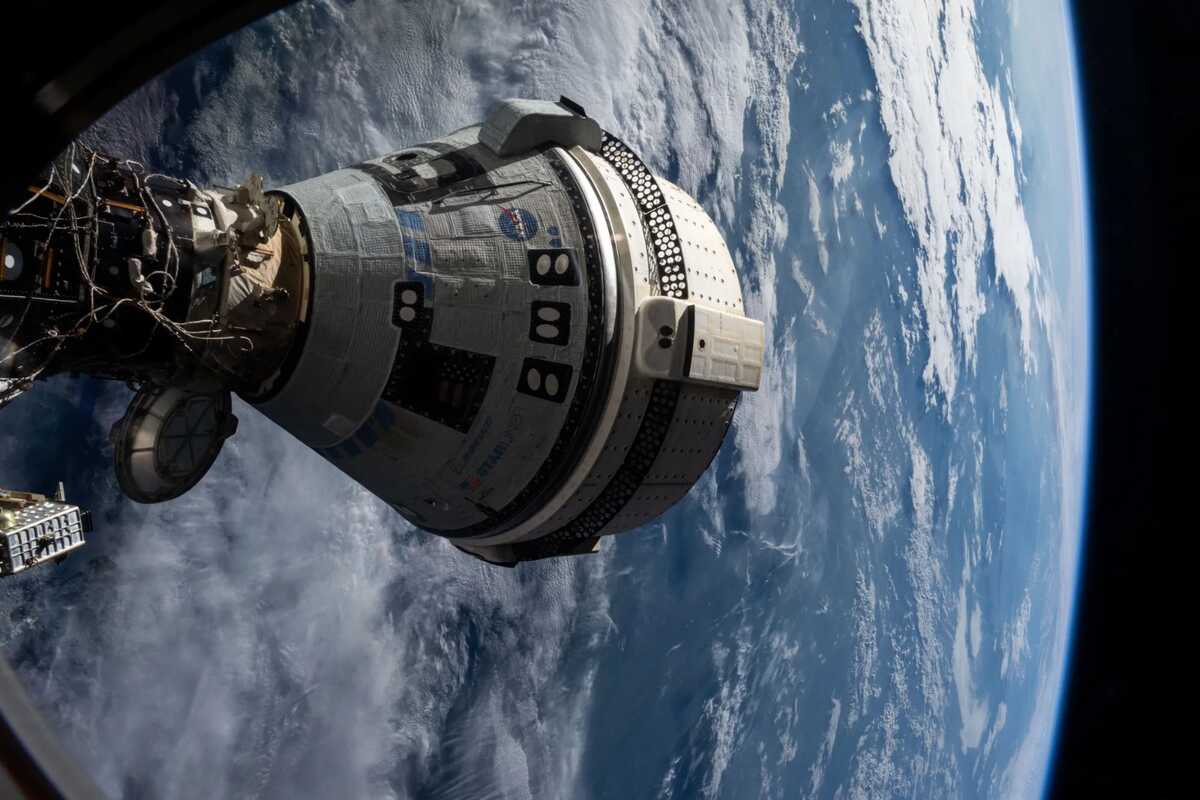
NASA has released findings from the investigation team regarding the Boeing CST-100 Starliner crewed flight test. During a press conference on Thursday (19/2), NASA revealed that the Starliner mission is classified as a Type A accident.
This classification places the Starliner incident at the same level as the Columbia aircraft accident in 2003 and the Challenger in 1986. Although there were no injuries and the mission was brought back under control, this highest-level classification acknowledges the potential for a significant accident.
In February 2025, NASA formed an independent investigation team to investigate the technical, organizational, and cultural factors that contributed to the flight test issues.
The investigation report identified hardware failures, leadership errors, and structural problems within the mission as contributing to conditions that did not meet the space agency’s safety standards.
The report also mentioned three root causes of the mission failure, namely the restrictive contract approach that limited NASA’s efforts in developing Starliner, inadequate Boeing system engineering and oversight, and a Commercial Crew Program (CCP) culture that prioritized the success of the provider over technical rigor.
From the investigation’s findings, NASA is taking corrective actions to ensure the safety of crew and future flight missions. In addition, the corrective actions also serve to ensure design and qualification standards as well as structural integration in subsequent missions.
“We are correcting these mistakes. We have officially declared a Type A accident and are ensuring leadership accountability so that this does not happen again,” said Jared Isaacman, NASA Administrator.
Isaacman also added that he hopes to work with Boeing to implement corrective actions and re-test Starliner only when it is ready.
The investigation report was completed in November 2025. NASA and Boeing have also been working together since Starliner returned eighteen months ago to identify and address the challenges faced during the mission.
Starliner was launched on June 5, 2024, on its first crewed test flight to the International Space Station. Initially, the mission was planned for 8-14 days. However, the flight had to be extended for 93 days when a system failure occurred while Starliner was in orbit.
After reviewing flight and ground test data, NASA decided to return the spacecraft without the two astronauts, Butch Wilmore and Suni Williams.
Starliner returned from the space station in September 2024 and landed in New Mexico. Meanwhile, Wilmore and William safely returned to Earth in March 2025. (E-4)
NASA classified the Boeing Starliner mission as a Type A accident after two astronauts were stranded in space. The investigation report highlights system and oversight failures.