
NASA Develops AI to Detect Toxic Algal Blooms
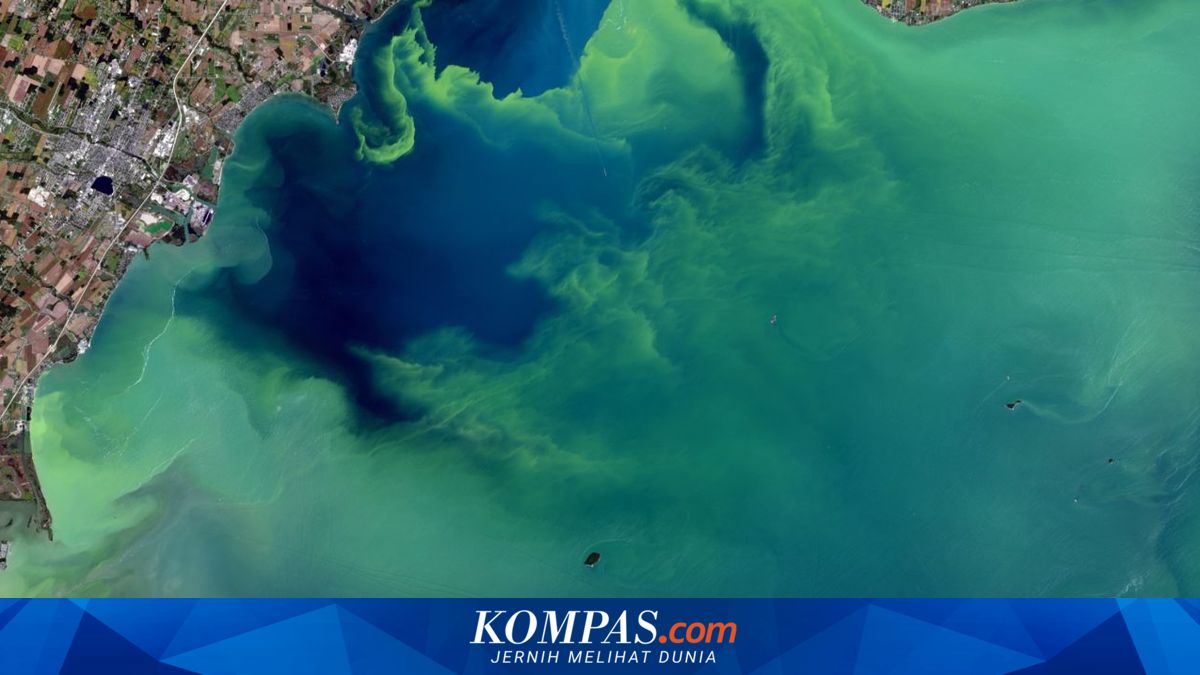
Enjoying a sunny day at the beach can instantly turn into a health disaster due to toxic algal blooms. This natural phenomenon not only kills fish and marine mammals en masse, but certain algal blooms can also contaminate the air, causing respiratory issues in humans. When algal outbreaks peak, they can completely paralyze coastal economies, from halting shellfish harvests to shutting down tourism and beach-dependent businesses.
The biggest challenge has been time. When communities notice discoloured seawater or dead fish, the algal bloom is already widespread. Conventional water testing methods take a day or more, as officials must use boats to collect samples and test them in labs. This raises the critical question: where should they check the water first before it’s too late?
By combining data from multiple satellites, the system successfully detected toxic algal formations in western Florida and southern California. In the Gulf of Mexico and Florida, the algae species Karenia brevis has been a menace for decades, causing red tides that kill wildlife and trigger respiratory issues in swimmers. Meanwhile, on the US West Coast, Pseudo-nitzschia blooms have poisoned hundreds of dolphins and California sea lions in recent years. Some of its toxins can be carried by wind, triggering respiratory illnesses in humans on land.
Although weather satellites have long tracked algal movements, coastal water conditions are highly complex. Sediment, river flows, marine plants, shallow depths, and light changes often disrupt satellite imagery. To overcome this, a research team including Michelle Gierach and Kelly Luis from NASA’s Jet Propulsion Laboratory (JPL), along with Nick LaHaye from Spatial Informatics Group, combined data from five different space missions, including NASA’s advanced PACE satellite and the TROPOMI instrument. The team trained the system using self-supervised machine learning.