
Nadiem Once Considered Procuring Windows When Chromebook Procurement Hit Snags
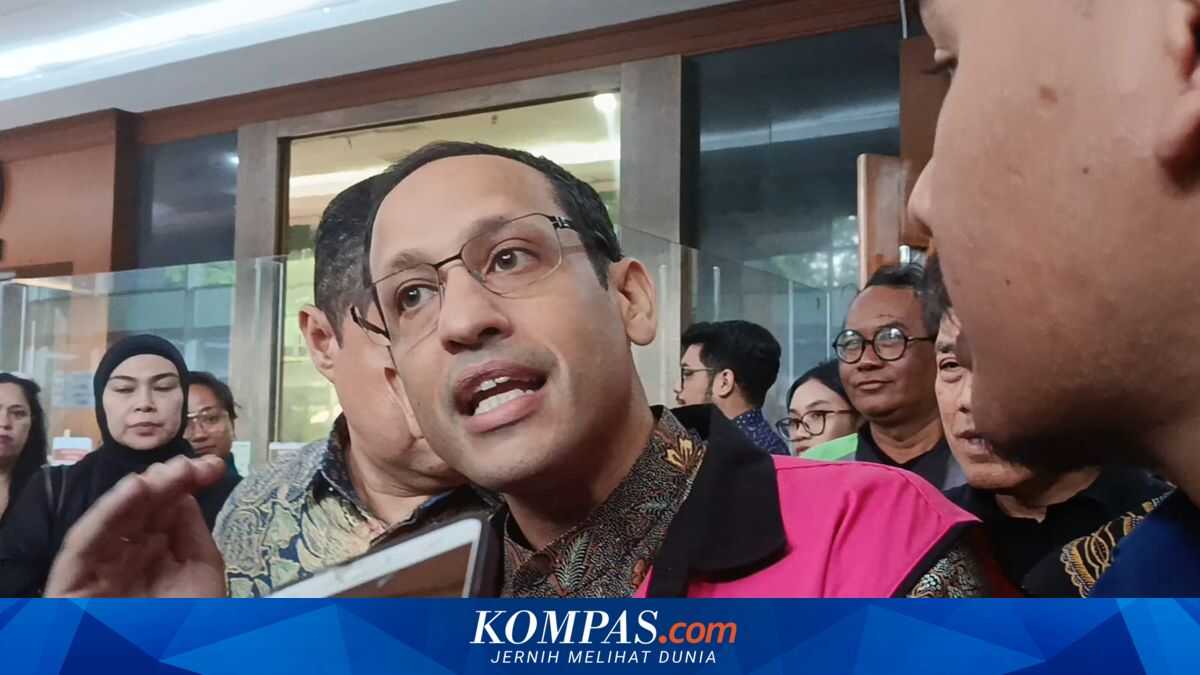
JAKARTA, KOMPAS.com - Former Minister of Education, Culture, Research and Technology Nadiem Makarim once considered procuring devices with the Windows operating system when the Chromebook procurement faced obstacles. Nadiem revealed this when questioning former technology consultant Ibrahim Arief, who was called as a witness in the ongoing trial into allegations of corruption in the Chromebook-based laptop procurement. Nadiem referenced his private conversation with Ibrahim on 8 August 2020. At that time, ICT procurement had already been set to use Chromebooks. The bidding process had also been completed and a winner had been chosen. Because Ibrahim could not recall the context of the question and the procurement conditions at the time, Nadiem asked Sri Wahyuningsih, Director of Primary Education at the Ministry of Education, Culture, Research and Technology for 2020–2021 and the accountable person (KPA), to explain the situation. ‘For primary schools, on 18 August, the supplier that had won, PT Bhinneka, withdrew because it could not meet the volume of orders from the Directorate of Primary Education,’ Sri explained. At that time, Chromebook procurement suddenly faced problems due to stock or supply issues. Nadiem asked Ibrahim to read out a message written in English and translated in court. ‘If the choice is losing the opportunity to provide laptops to all schools rather than ensuring the laptops have their applications and are Chromebook, I would choose, I would always choose that every school can have laptops with their applications even if they are not Chromebook,’ Ibrahim read Nadiem’s message. At that time, Nadiem and Ibrahim discussed the implementation of applications being developed by the ministry, or already existing, to be usable on devices based on Windows, Chrome, or other operating systems. In technological terms, cross-platform. Ibrahim confirmed that the applications developed by the ministry at that time were indeed designed to be cross-platform so as not to interfere with the hardware procurement.