
Nadiem Makarim Testifies as Crown Witness in Chromebook Corruption Trial
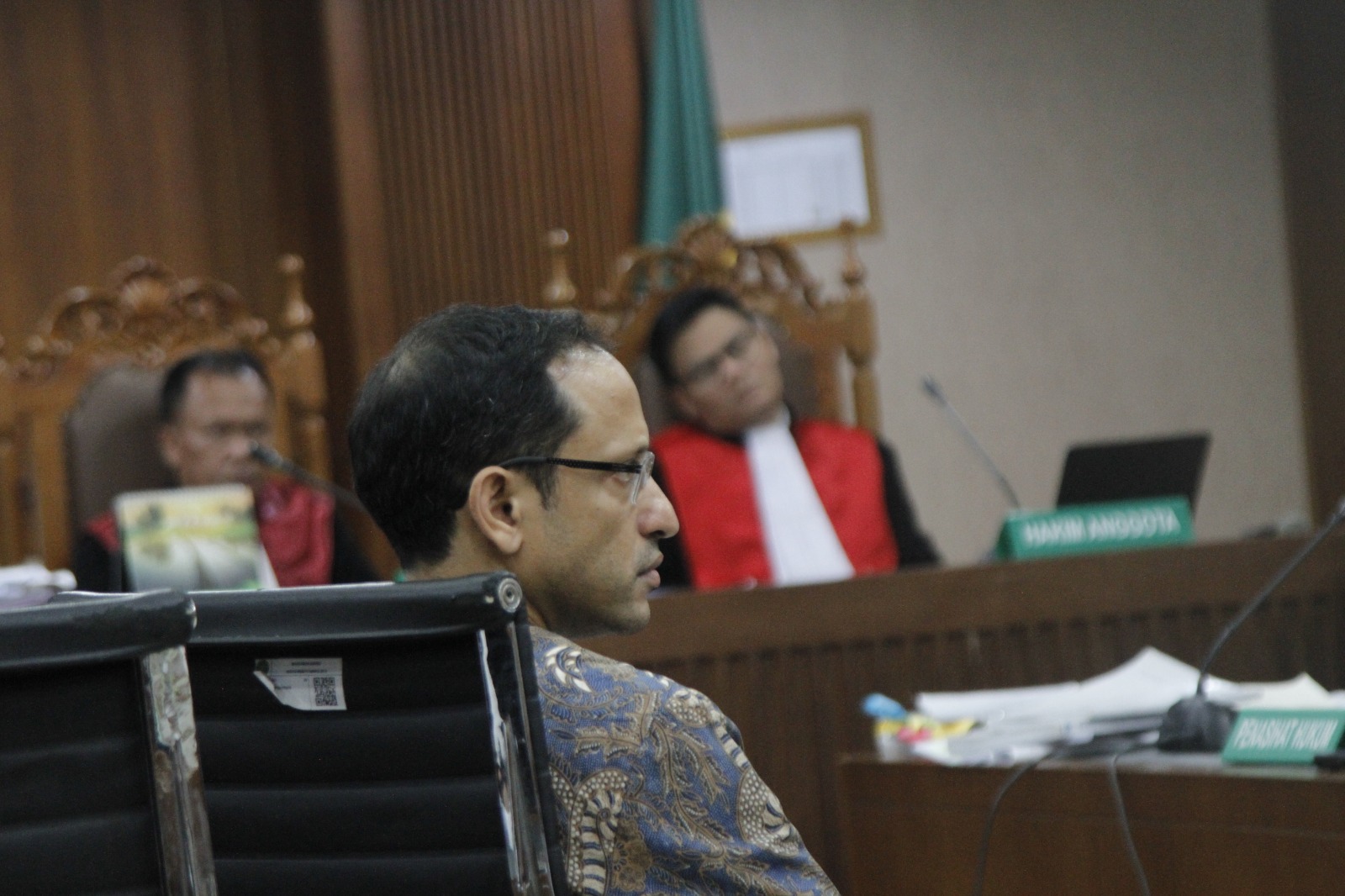
Former Minister of Education, Culture, Research, and Technology (Mendikbudristek) Nadiem Makarim refuted allegations of involvement in a conspiracy in the suspected corruption case regarding the procurement of Chromebooks and Chrome Device Management (CDM). He made this statement whilst appearing as a crown witness in proceedings held on Tuesday (10 March).
In his testimony, Nadiem emphasised that during his tenure as minister, his policy focus was on promoting digital transformation of the education ecosystem through software development, not hardware procurement.
He also strongly rejected conspiracy allegations as charged under Article 55. According to him, there were never any secret meetings with the defendants to plan a conspiracy, including during the Covid-19 pandemic.
“There was none at all. And there was no situation like in some other world where we met secretly during Covid to carry out this conspiracy. So this Article 55 is holding us hostage as if we were conspiring, but where is the evidence? I am very confused,” Nadiem said in the proceedings.
He explained that the technical matters of procurement, including the determination of operating system (OS) specifications, fell entirely under the authority of the Budget User Authority (KPA) and officials at the directorate-general level. Such decisions, he said, were not made at the ministerial level.
Additionally, Nadiem explained the formation of a technology team at the Ministry of Education in 2020 as a follow-up to a presidential directive to accelerate technology-based education transformation.
According to him, the technology professionals recruited joined because of a drive to serve the nation, and were even willing to accept salary reductions.
“I also want to demonstrate to all participants present there that these young people joined to serve as well. The evidence is that they sacrificed nearly half of their salaries to help our country,” Nadiem said.
During the proceedings, Nadiem also clarified three points of WhatsApp conversations that were made part of the prosecutor’s charges. One of the disputed statements was “remove humans and replace with software”.
He explained that the statement referred to efforts to automate bureaucratic administrative processes that were previously done manually to make them more efficient, including through applications such as ARKAS and MARKAS.
Additionally, the message “find internal change agents and empower them” was intended to identify ministry internal staff with integrity and the ability to drive change. Meanwhile, the phrase “bring in fresh blood from outside” referred to efforts to involve external parties, including civil society organisations and foundations, to accelerate education reform.
Before the judges, Nadiem also stated that from the outset of his tenure as minister, he had stepped down from Gojek and transferred his voting rights to two other founders, Kevin Aluwi and Andre Sulistyo. This step was taken to avoid conflicts of interest.
After the proceedings, Nadiem also highlighted a number of prosecutor questions that he considered irrelevant to the case being tried. He mentioned that the prosecutor had asked about Gojek’s business history for the period 2015 to 2019.
“I also do not understand why questions were asked about me from 2015 to 2018 and how they relate to this case?” said Nadiem.