
Myth vs Fact: Are You Really Protein Deficient?
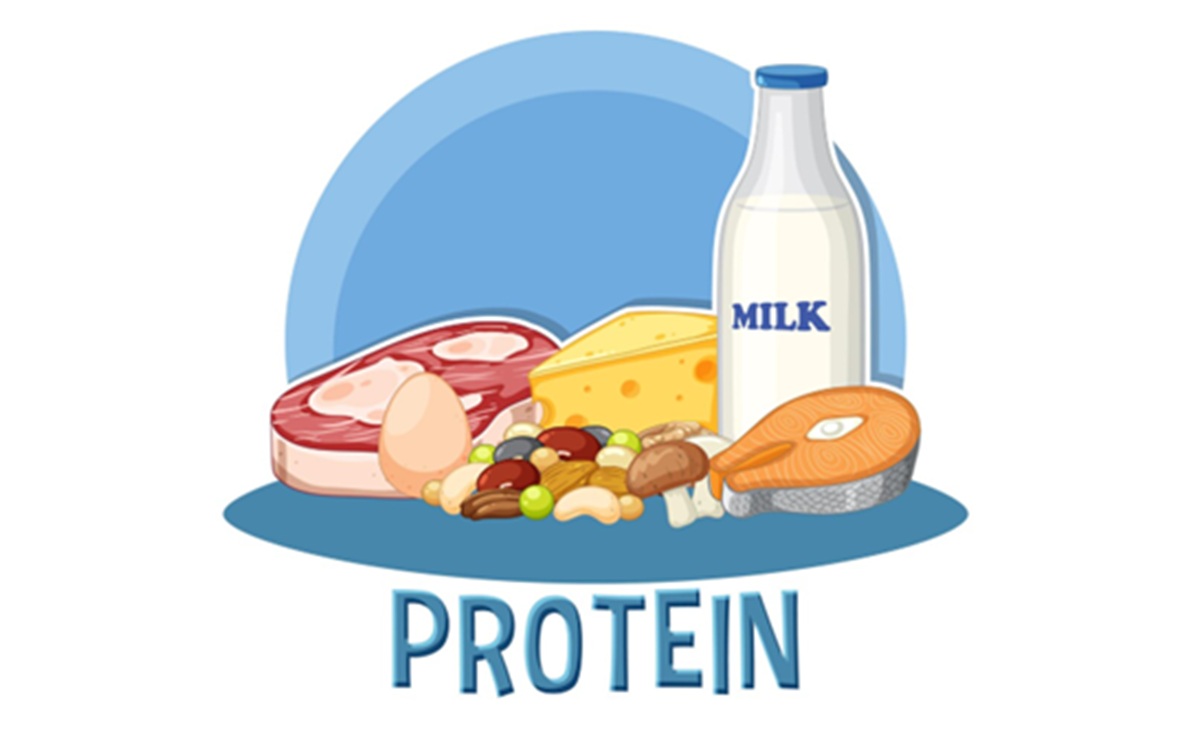
In the current era of fitness trends, protein is often crowned the ‘king’ of nutrients. From shakes and snacks to cereals, various products are now competing to add high-protein labels. However, amidst this trend, a lot of misinformation is confusing the public about the actual function and need for protein in the body.
The most common myth circulating is the assumption that the more protein consumed, the better it is for the body. In fact, the human body has a limited capacity to absorb this nutrient. Protein consumption exceeding daily requirements will not automatically be converted into muscle, but rather stored as fat or excreted through urine. Moreover, a drastically high-protein diet can burden kidney function in the long term.
Many people also believe the myth that protein can only be optimally obtained from animal sources such as meat, eggs, or milk. In reality, plant-based protein sources are no less valuable. Foods such as tempeh, tofu, legumes, lentils, and beans are excellent protein sources. Interestingly, these plant-based sources are also rich in fibre and antioxidants not found in animal meat.
According to health guidelines, the average adult with moderate physical activity requires about 0.8 grams of protein per kilogram of body weight each day. This requirement will certainly increase for athletes or those undergoing intensive weight training to build muscle mass. However, for most people, this need is actually already met through a balanced daily diet.
Another important point often overlooked is the timing of consumption. Instead of piling the entire protein portion into one meal, for instance only at dinner, the body will absorb it far more effectively if the portion is evenly distributed across each mealtime, from breakfast and lunch to afternoon snacks.
In conclusion, protein is indeed an essential nutrient crucial for repairing body tissues, maintaining immunity, and preserving muscle mass. However, we need not fall into the trap of excessive consumption obsession. The main key to optimal health is not glorifying a single type of nutrient, but rather maintaining a balance between protein, complex carbohydrates, healthy fats, and adequate daily vitamins and minerals.