
Myanmar Limits Fuel Purchases with QR Code System
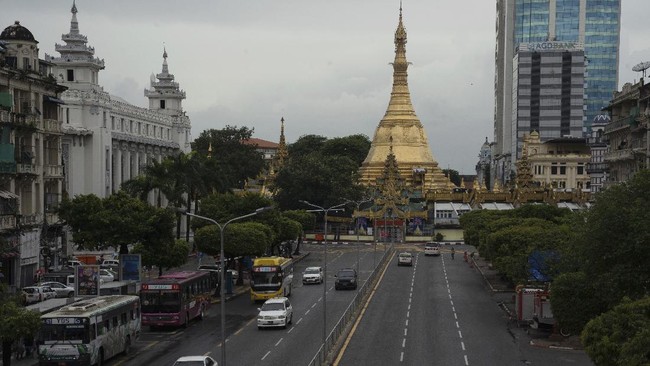
Myanmar’s military government has begun implementing a barcode and QR code system to limit vehicle fuel purchases. This policy comes amid growing concerns over supply shortages.
Myanmar’s Ministry of Energy stated that the policy will be enforced nationwide starting next week. In a statement on 23 March, the ministry said that each vehicle will only be allowed to purchase fuel one to two times per week, depending on engine capacity.
“Customers will be allowed to purchase fuel one or two times per week depending on the size of their vehicle engines,” the ministry wrote, as quoted by Bloomberg on Wednesday (25/3/2026).
Under this scheme, the barcode on vehicle certificates—for cars, trucks, or motorcycles—will be linked to data in the QR code. The system will determine the fuel quota that each user can purchase.
Initial implementation began on 12 March in several major cities, including Yangon and Naypyitaw.
This restriction policy emerges alongside increasing pressure on energy supplies, partly triggered by the impact of conflicts in the Middle East. The situation has also led to long queues at various fuel stations due to surging prices and public fears of shortages.
Additionally, the supply crisis has affected the air transportation sector. Fuel shortages for jet fuel have reportedly forced several airlines in Myanmar to temporarily suspend some domestic routes.
To conserve fuel consumption, the government has previously imposed restrictions on private vehicle use. Even government employees have been directed to work from home every Wednesday starting 25 March.
On the other hand, the Myanmar Rice Federation has urged milling industry players and farmers to conserve fuel and begin switching to alternative energy sources such as solar power.
The Ministry of Energy stated that Myanmar currently has fuel reserves for about 50 days. The government is also seeking additional imports through alternative routes to keep supplies stable.
Meanwhile, Myanmar’s central bank has disbursed foreign exchange amounting to US$96 million, or approximately Rp1.56 trillion at a lower exchange rate, to oil companies. This step is expected to help companies import fuel from abroad.