
Myanmar Junta Leader to Become Civilian President
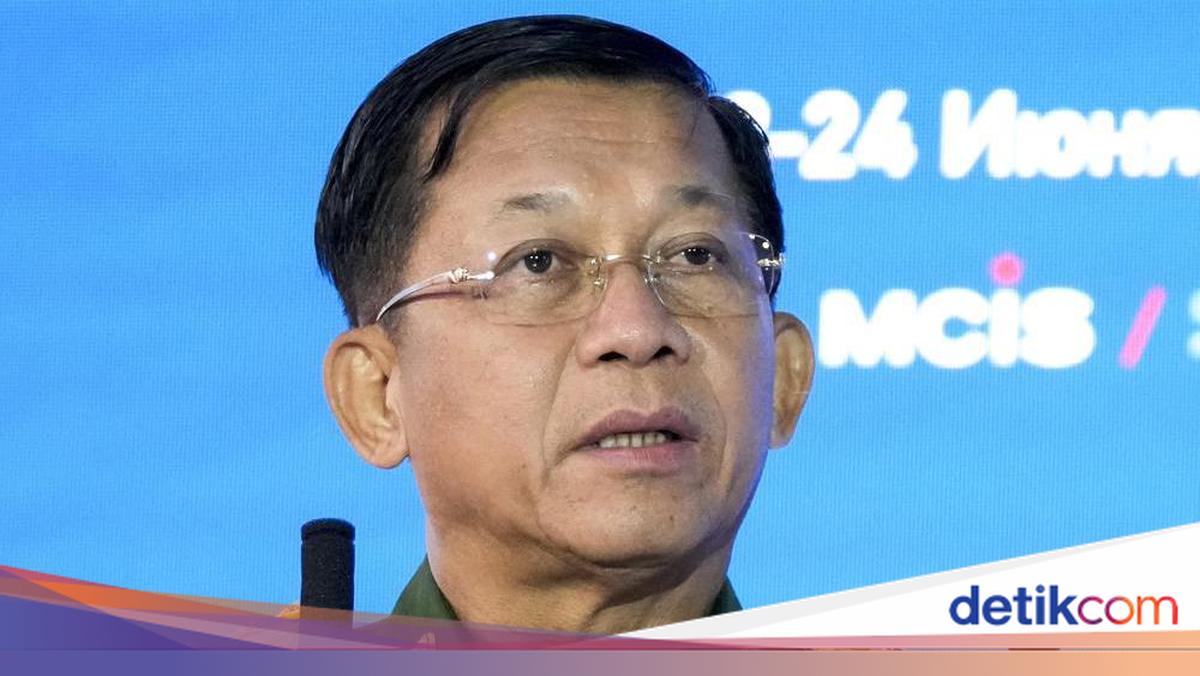
Myanmar’s junta leader, Min Aung Hlaing, has been nominated as a vice-presidential candidate to open the path for the coup leader to become president and continue his rule in a civilian capacity. A former intelligence chief, as reported by AFP on Monday (30/3/2026), has been appointed to replace Min Aung Hlaing as Myanmar’s military commander. Min Aung Hlaing has ruled Myanmar since 2021, when he ordered a coup that toppled Aung San Suu Kyi’s civilian government—detaining the Nobel Peace Prize laureate, dissolving her party, and sparking a civil war. After five years of hardline rule, Min Aung Hlaing oversaw highly restricted elections that resulted in a landslide victory for pro-military parties at the end of January. The junta authorities have also criminalised protests or criticism of the elections. Democracy watchdogs have long warned that the government would become a military puppet, which has ruled Myanmar for much of the period since independence. “I nominate Senior General Min Aung Hlaing as vice president,” said Myanmar parliamentarian Kyaw Kyaw Htay, speaking in the lower house session as reported by state television. Three vice presidents will be elected, one of whom will be chosen as president in a parliamentary vote. The Myanmar junta has also appointed a new military commander, with former intelligence chief and former Army Commander Ye Win Oo replacing Min Aung Hlaing. According to reports from several local Myanmar media outlets, Ye Win Oo was promoted to the top military position in a ceremony in the capital Naypyitaw. Myanmar’s military has long portrayed itself as the only force protecting the volatile country from fragmentation and destruction. The Myanmar generals loosened their grip during a decade-long democratic interlude that began in 2011, which allowed Suu Kyi to rise as a civilian leader and steer a period of reform as the country opened up from its history of isolation. After Suu Kyi decisively defeated the pro-military Union Solidarity and Development Party (USDP) in the 2020 elections, Min Aung Hlaing seized power because, according to analysts, he was concerned about the military’s waning influence. Now, the USDP, which includes many retired military officers, has taken root in parliament after winning 80 percent of council seats, and the new government is expected to align with the military. Nevertheless, Min Aung Hlaing must manage a tricky transition as he hands over the highly powerful military control to Ye Win Oo while shifting to a civilian role.