
Muslim Nation Attacks Asia's Nuclear Giant, Strikes Military Sites
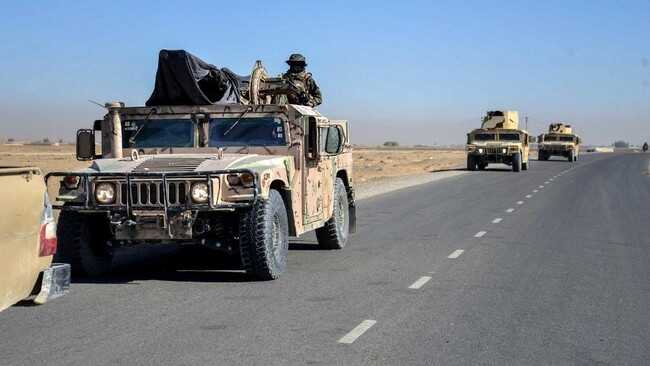
Jakarta, CNBC Indonesia - Taliban authorities launched major retaliatory attacks against Pakistani military positions along the shared border on Thursday (26 February 2026), in response to airstrikes conducted by Pakistan the previous week.
Afghanistan’s military media office in the eastern region confirmed that large-scale armed clashes erupted from Thursday evening onwards. The retaliatory strikes focused on Pakistani military defence points in Nangarhar and Paktia provinces.
“Intense fighting began on Thursday evening as a response to recent airstrikes conducted by Pakistani forces in Nangarhar and Paktia provinces,” stated a statement from Afghanistan’s eastern military media office, quoted by Al Jazeera.
Taliban government spokesman Zabihullah Mujahid affirmed that this military operation was in response to continued provocative actions by Pakistan’s military. He claimed the large-scale assault targeted military installations along the Durand Line.
“In response to provocations and repeated violations by Pakistan’s military circles, a large-scale offensive operation has been launched against Pakistani military positions and installations along the Durand Line,” asserted Zabihullah Mujahid through a post on social media platform X.
A source within Afghanistan’s military provided further details on the impact of the attack against Pakistani forces. He claimed Taliban forces successfully disabled personnel and seized several military infrastructure belonging to the nuclear power in the lightning strike.
“Ten Pakistani soldiers were killed and thirteen forward posts were successfully captured in Thursday’s attack, conducted in retaliation for Pakistan’s strikes along the border on Sunday,” the Afghan military source told Al Jazeera.
Pakistan’s government promptly responded through its Ministry of Information and Broadcasting, claiming they had delivered commensurate counter-strikes and “punished” Taliban forces attempting to infiltrate their territory.
“Taliban regime forces are being punished in the Chitral, Khyber, Mohmand, Kurram and Bajaur sectors. Initial reports confirm heavy casualties on the Afghan side with several posts and equipment destroyed,” read Pakistan’s official ministry statement posted on social media platform X.
Pakistani Prime Minister Shehbaz Sharif’s spokesman Mosharraf Zaidi also refuted the Taliban’s claims regarding the loss of military posts, asserting that Pakistan’s military maintained full control of the border front lines.
“No Pakistani forward posts have been captured or damaged, and Pakistani forces have inflicted significant losses along the Pakistan-Afghanistan border in response to unjustified Taliban aggression,” said Mosharraf Zaidi.
Senior analyst from Armed Conflict Location & Event Data (ACLED), Pearl Pandya, assessed that a porous border provides space for armed groups to move freely. This is known to trigger conflicts between Islamabad and Kabul, with Pakistan claiming the Taliban have opened Afghanistan as a haven for terrorist groups operating in their territory.
Pandya highlighted the Taliban’s difficulty in taking serious action against the Tehrik-e Taliban Pakistan (TTP) terrorist group due to ideological ties and political risks. This provides the group with an opportunity to develop safely in Afghanistan.
“The Afghanistan Taliban appear reluctant to seriously crack down on the TTP, partly because of earlier closeness between the two groups but also due to fear of TTP militant defections to their main rival, the Islamic State Khorasan Province,” explained Pearl Pandya.
Given the trend of escalating violence in early 2026, Pandya predicted that the situation at both nations’ borders would become increasingly difficult to control without concrete action from Kabul.
“Without serious crackdowns on the TTP by Afghanistan, further escalation appears unavoidable,” Pandya concluded.