
Musim Mas Strengthens Women's Empowerment Programmes as a Foundation for Sustainable Business
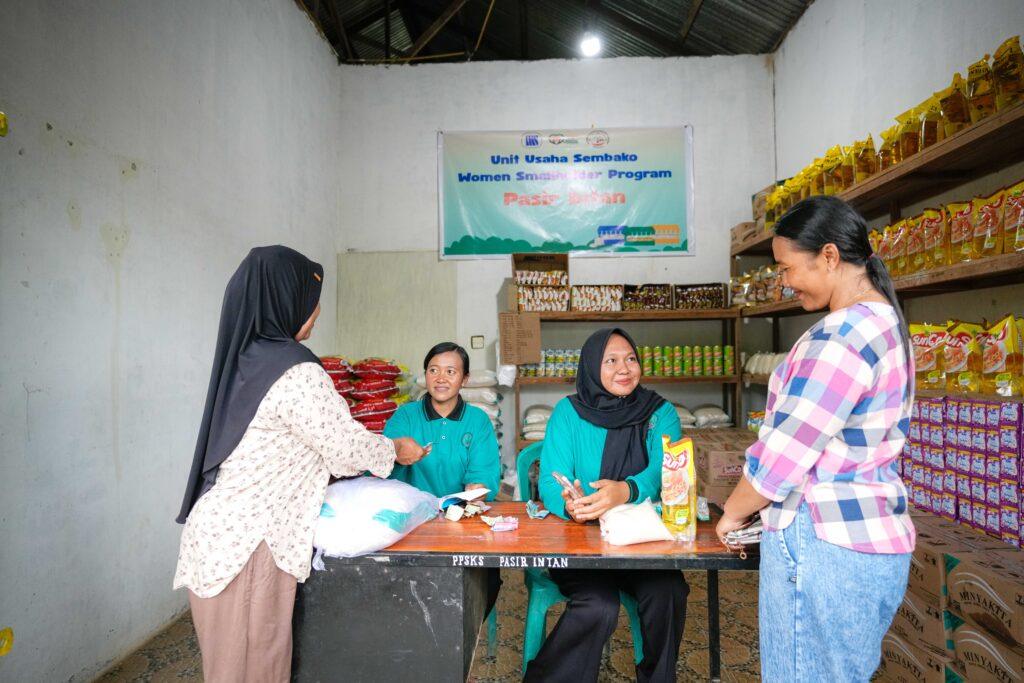
In commemoration of National Women’s Day, Musim Mas reaffirms its commitment to building a more inclusive palm oil industry through women’s empowerment and gender equality. Musim Mas believes that women play a vital role in driving sustainability and progress in the industry. As such, gender equality is not only a moral responsibility, but also an important part of the company’s long-term business strategy.
This commitment is reflected through initiatives such as the Gender Committee and women’s empowerment programmes, and is further reinforced in in the Musim Mas Sustainability Roadmap 2026–2030, where Gender Equity and Women Empowerment has been identified as a priority strategy. By strengthening Gender Committees at the operational level and implementing the Women Smallholders Program (WSP) at the community level, Musim Mas continues to promote women’s participation and contributions across the palm oil supply chain.
Speaking during a webinar titled “Strengthening Business Resilience through Sustainability,” Vivi Anita, General Manager of Sustainability at Musim Mas, shared:
“Through our Women’s Empowerment programmes, we are not only conducting responsible business, but also investing in human capital to strengthen the company’s operational resilience while supporting women’s sovereignty and independence. This represents an important step toward improving overall community welfare.”
Gender Committee: Tangible Support for Women in the Workplace
Established in 2008, the Gender Committee plays an important role in creating a safe, dignified, and inclusive working environment for employees—especially women—across the company’s operational units. At the operational level, the committee supports the protection of women workers while encouraging their participation and strategic contributions.
Musim Mas also collaborates with DIWA (Dignity in Work for All), a global non-profit organisation focused on promoting workers’ rights and dignity. Through activities such as assessments, focus group discussions with workers, and training for Gender Committee members as well as plantation and mill workers, the programme supports improvements not only in company systems but also in workplace culture and mindsets.