
Muntok Detention Inmates Equipped to Become Professional Poultry Farmers Through Layer Chicken Rearing
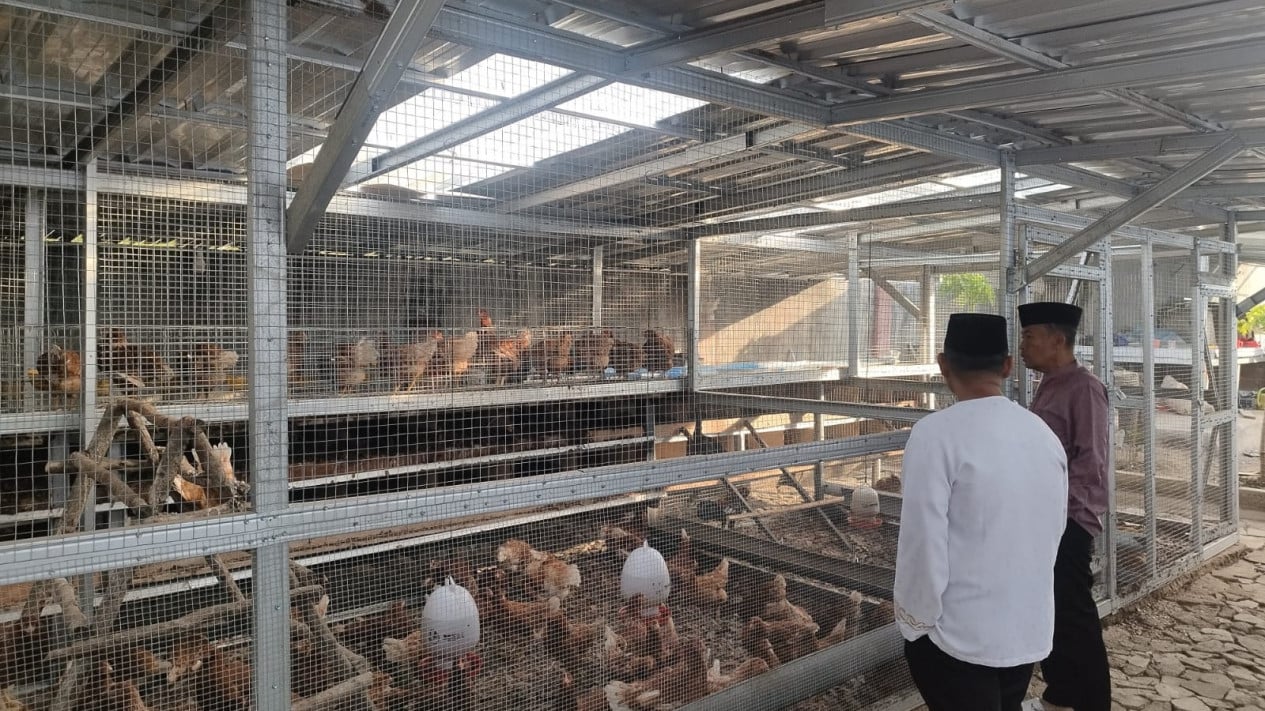
Muntok Class IIB Detention Centre continues to innovate in equipping inmates with productive skills. This time, inmates have been directly engaged in independence training on professional layer chicken (ayam merawang petelur) production techniques.
Andri Ferly, Head of Muntok Class IIB Detention Centre, stated that the programme is designed to create new entrepreneurs in the livestock sector upon their release.
Layer chicken rearing has been selected as the main focus because it is a breed characteristic of the Bangka Belitung region with high economic potential.
Participants are directly involved in managing the poultry production cycle professionally. They receive training ranging from preparing hygienic pens to ungulate husbandry techniques. The training also applies modern and environmentally friendly livestock standards.
“Participants are given knowledge on how to protect poultry from disease and proper care procedures, such as maintaining dry pen conditions, adequate ventilation, separating chicks from adult chickens, and so forth,” said Ferly.
Additionally, inmates are equipped with practical skills on livestock feed production and disease control techniques. He hopes the programme will contribute meaningfully to strengthening the food security sector.
“This programme is not only a means of skills training, but also supports the national food security programme through the utilisation of potential resources available within the detention centre,” he explained.
Daily, the detention centre is able to produce approximately 150 to 200 eggs. The production is utilised to meet the detention centre’s needs whilst also being marketed to the community as part of the economic development programme.
Acting Head of the Regional Office of the Directorate General of Corrections for the Bangka Belitung Islands, Gunawan Sutrisnadi, expressed appreciation for the training programme. He assessed the layer chicken programme as highly productive and positively impactful.
He hopes the community will view the detention centre not only as a place of rehabilitation but also as an opportunity for learning, development, and contribution. This step represents a genuine effort to erase negative stigma and promote social recovery for inmates.
“This domestic chicken rearing programme is a very good step in providing independence training to inmates. In addition to equipping them with useful skills, this programme also supports food security efforts,” he said.