
Multiple Stakeholders Provide Input on Indonesia's B50 Mandatory Biodiesel Implementation
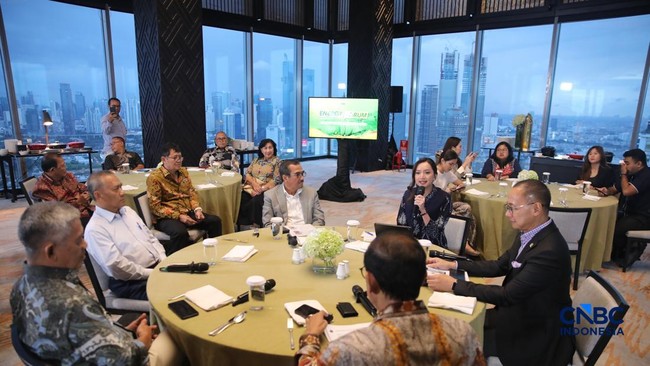
The government plans to implement a mandatory B50 biodiesel blending programme in 2026. Various stakeholders have provided input to ensure the programme runs smoothly.
National Energy Council (DEN) member Satya Widya Yudha views the biodiesel blending increase towards B50 as part of the broader roadmap towards Net Zero Emission (NZE) 2060. The programme targets the sectors that contribute most significantly to carbon emissions: industry and transport.
In the same forum, Deputy Chairman of the People’s Consultative Assembly (MPR) Eddy Soeparno considers the increase in biodiesel blending from B40 to B50 an important part of the national energy transition agenda. However, he cautioned that implementation must consider two fundamental concepts: energy security and the nation’s capabilities and requirements.
Meanwhile, Executive Director of the Indonesian Palm Oil Producers’ Association (GAPKI) Mukti Sardjono identified one of the main challenges of B50 implementation as the stagnant capacity of national crude palm oil (CPO) production. Over the past five years, national CPO production has remained in the range of 48 million to 51 million tonnes.
On the other hand, Secretary General of the Indonesian Automotive Manufacturers’ Association (Gaikindo) Kukuh Kumara hopes that the B50 programme will be implemented through phased transition and more comprehensive technical testing, as any change to mandatory biodiesel policy will have direct impacts on motor vehicle users.
DEN member Fadhil Hasan added that implementation of the B50 programme requires coordination between the Indonesian Biofuel Producers’ Association (Aprobi) and Gaikindo to ensure that the biodiesel blending level complies with government regulations whilst also ensuring that B50 implementation does not pose risks to vehicle performance.