
Multiple Impacts of the Upstream Oil and Gas Industry on Society, from Taxes to Revenue-Sharing Funds
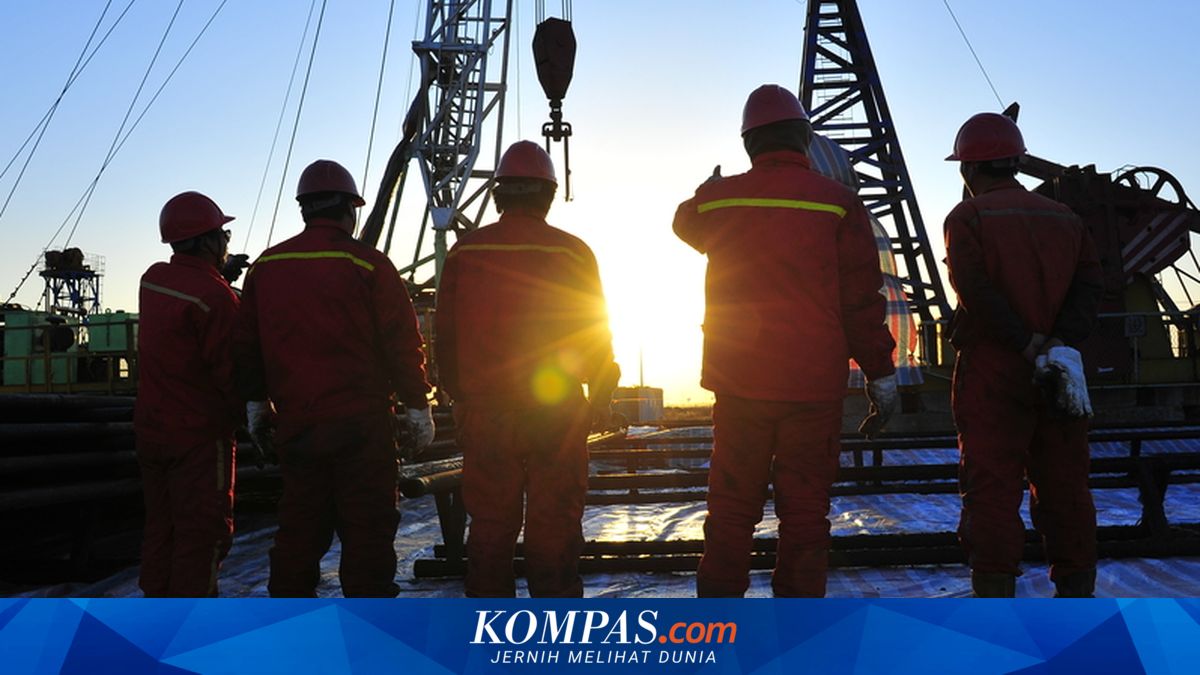
JAKARTA, KOMPAS.com - The upstream oil and gas industry is considered to have a broad impact on society. This impact arises from various economic activities connected to the oil and gas sector.
An observer from the Faculty of Economics and Business at Universitas Pertamina, A. Rinto Pudyantoro, stated that there are at least 13 effects felt by society.
“The first one that is certainly felt is CSR (Corporate Social Responsibility), but the one with the biggest impact is the Oil and Gas Land and Building Tax (PBB) and the Oil and Gas Revenue-Sharing Fund (DBH),” said Rinto during the Media Education event of the Indonesian Petroleum Association (IPA) on Wednesday (1/4/2026).
Rinto also highlighted the 10% Participating Interest (PI) scheme. This mechanism grants ownership rights to Regional Government-Owned Enterprises or State-Owned Enterprises after the first Plan of Development is approved.
“This means the involvement is the greatest, but in terms of the largest numerical value, it is the DBH and PBB for oil and gas,” he stated.
The national production target was also discussed. The government targets 1 million barrels of oil per day and 12 billion standard cubic feet of gas per day.
Rinto assessed that this target has a basis for calculation. Achievement depends on several key factors.
“The calculation for one million barrels already has its foundation; at the very least, there are factors that will enable the one million barrel target to be met,” he explained.
“At least three of them are the main ones,” he added.
If these three factors proceed according to plan, the production target is deemed still possible to achieve. Risks remain due to various field constraints.
“So, the potential for it not to be achieved due to various problems could still happen,” he said.