
MUI Urges Public Not to Buy US Products Without Halal Certification
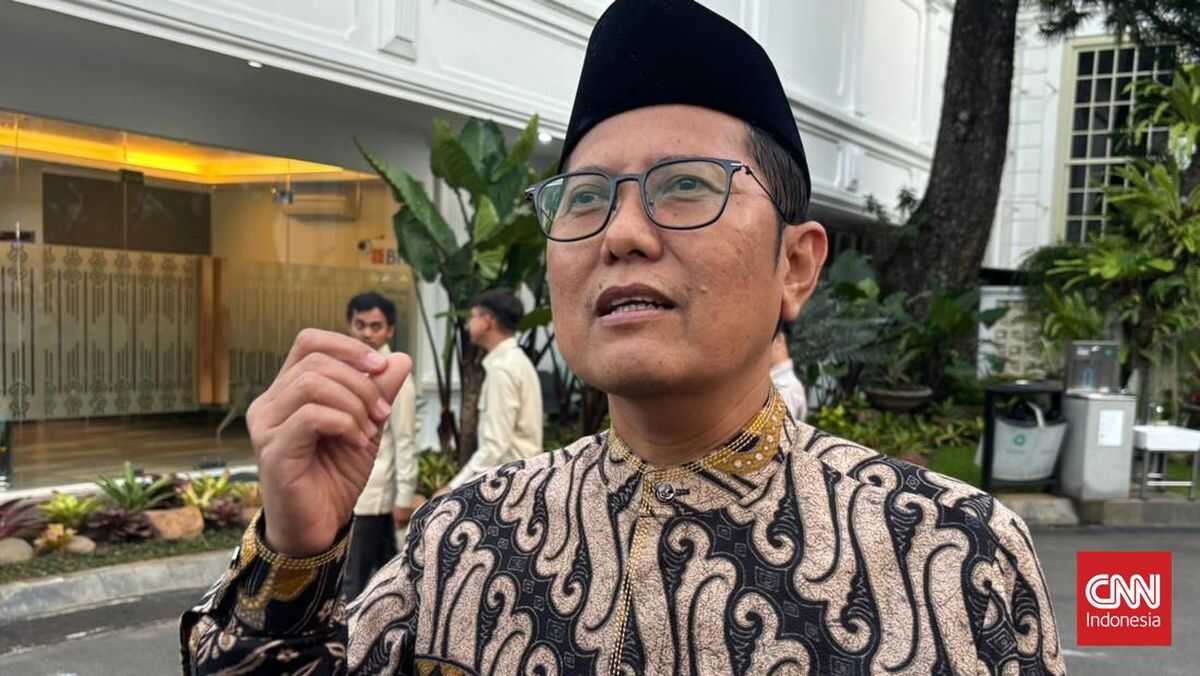
The Indonesian Ulema Council (MUI) has called on Muslims not to purchase goods from the United States that do not carry halal certification.
“American products coming here may not have halal certification. So if they don’t have halal certification, don’t buy them. Ladies and gentlemen, don’t buy food products that don’t have halal certification,” said MUI Deputy Chairman Cholil Nafis in a video uploaded to MUI TV’s Instagram account, as quoted on Tuesday (24 February).
Cholil stated that products bearing the halal label are guaranteed by the Halal Product Assurance Organising Agency (BPJPH).
He reiterated his call for Muslims not to purchase goods without halal certification.
“If there is a halal label, it means someone is responsible. Who is responsible? BPJPH. There is a halal committee there, and a fatwa commission that certifies products as halal,” he said.
Cholil noted that foreign products without halal certification could potentially be in violation of Indonesian regulations.
“We can consider whether this violates the law or not. But as a community of believers, we should not buy products in Indonesia, or from abroad, that do not have a halal label for consumption. This is to be more cautious,” he said.
Previously, Indonesia and the US signed a Reciprocal Trade Agreement (RTA) on Thursday (19 February), one of whose provisions grants exemptions from halal certification for a number of US products entering Indonesia.
“With the aim of facilitating the export of cosmetic products, medical devices, and other goods from the US that may currently require halal certification, Indonesia will exempt US products from halal certification and halal labelling requirements,” states Article 2.9 of the agreement.
“Indonesia will also exempt containers and other materials used to transport manufactured products from halal certification and halal labelling requirements, except for containers and materials used to transport food and beverages, cosmetics, and pharmaceuticals,” the following point reads.
The agreement also states that Indonesia will not impose labelling or certification requirements for non-halal products from the US.
Nevertheless, Cabinet Secretary Teddy Indra Wijaya denied reports claiming that US imported products could enter Indonesia without halal certification.
“Some say that US products can enter Indonesia without halal certification? In short: that is not true,” Teddy said in a statement on Sunday (22 February).
Teddy stated that all products subject to mandatory halal certification must still comply with the prevailing laws and regulations in Indonesia.
He assured that the Indonesia-US trade policy does not eliminate the obligation to meet national standards, including halal requirements and consumer protection provisions.
“Both from halal bodies in the US and halal bodies in Indonesia,” he said.
Spokesperson for the Coordinating Minister for Economic Affairs Haryo Limanseto added that mandatory halal certification remains in effect for food and beverage products.
“No, it does not apply to all products. Indonesia continues to enforce halal certification for food and beverage products,” Haryo said in an official statement on Sunday (22 February).
He added that food and beverages containing non-halal ingredients are still required to display non-halal labelling to protect domestic consumers.
Meanwhile, manufactured products such as cosmetics and medical devices that are exempted from halal certification must still meet safety standards, product quality requirements, and ingredient information provisions.