
MUI Issues Warning! 'No Pork No Lard' Label Does Not Guarantee Halal Status
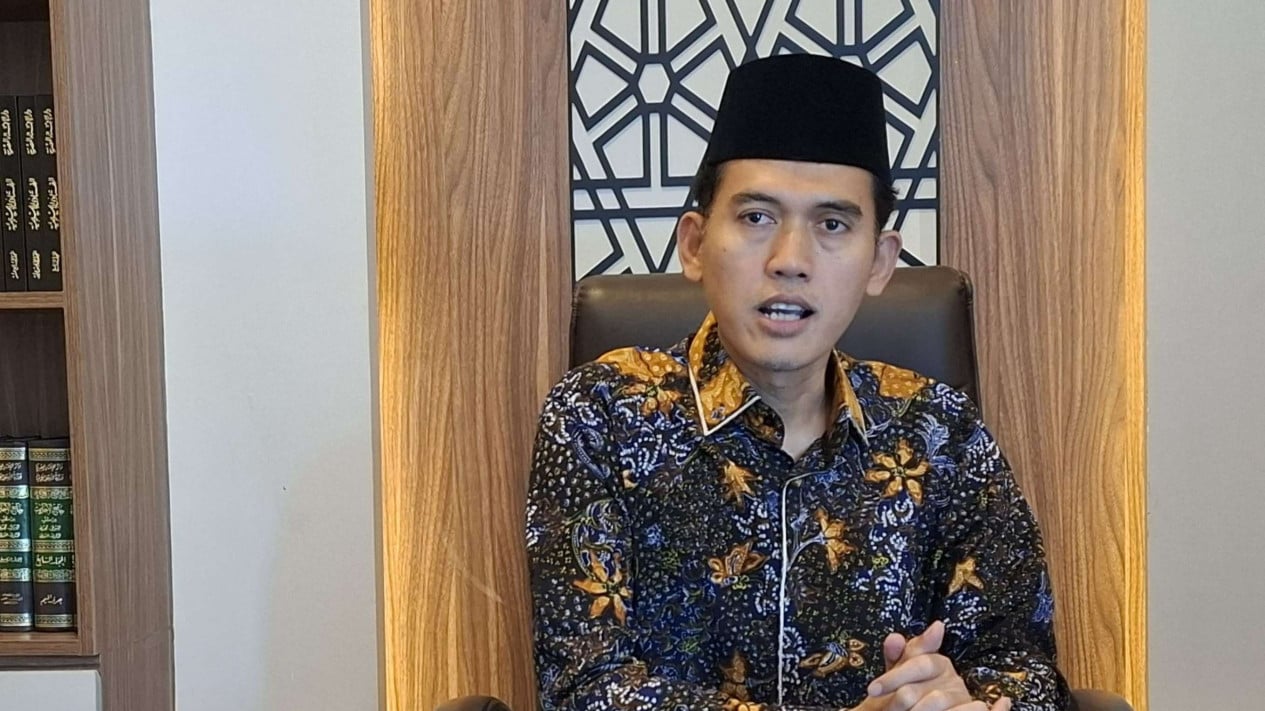
The Chairman of the Indonesian Ulema Council (MUI) for Fatwa, Asrorun Niam Sholeh, has emphasised that the use of ‘no pork, no lard’ descriptions in restaurants does not necessarily guarantee that the food served meets halal requirements.
“The ‘no pork, no lard’ label is more of a unilateral declaration by business owners. However, a menu that contains no pork and no lard cannot immediately be justified as a halal menu,” Asroric Niam stated in Jakarta on Wednesday.
According to him, the halal status of food is not only determined by the presence or absence of pork and its derivatives, but also encompasses raw materials as well as the processing and slaughtering methods.
He provided an example of beef-based menus, noting that their halal status must still be assessed from the slaughtering process through to the final preparation.
“If the slaughtering process does not comply with Sharia law, even if there is no pork and the meat is clearly beef, the beef becomes haram if it was not slaughtered according to Sharia, and it must not be consumed by Muslims,” he said.
He noted that a similar situation could occur with seafood. While fish is inherently halal, the processing method can affect the halal status of the dish.
“For example, in a seafood menu, the fish is clearly halal, but it may be processed in an unhalal manner, such as adding arrack, for instance, during the cooking process,” said Asrorun.
Therefore, Asrorun emphasised that statements regarding the halal status of products should not be based solely on unilateral declarations by business owners, but must instead go through an inspection process in accordance with halal certification regulations.
“Thus, it is not enough to simply have a unilateral declaration stating ‘no pork, no lard’ and then labelling it as halal without undergoing the formal certification inspection process,” he added.
He warned that displaying halal information that does not reflect the actual conditions could lead to legal consequences. Consequently, he urged business owners to promptly certify their products to provide certainty and protection to consumers.