
MUI Insists Halal Certification Is an Obligation and the State Must Protect the Muslim Community
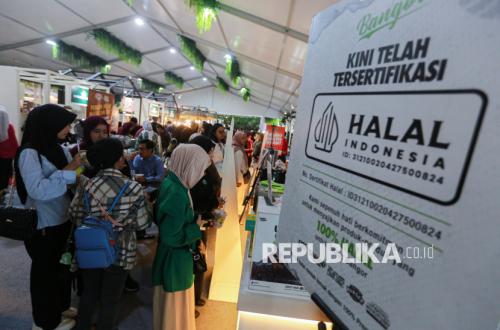
MUI says halal certification is not merely an invitation to compliance but an obligation for business actors, aligning with an expanding regulatory regime for halal product assurance in Indonesia through 2031. KH Masyhuril Khamis, Head of MUI’s Halal Affairs, stated that halal is a fundamental principle in the Islamic economic ecosystem and a key differentiator of the sharia system. ‘Halal is something fundamental and essential; the Qur’an already sets clear boundaries between halal and haram, with the main challenge lying in murky areas, so the state must provide certainty,’ he told Republika on Sunday, 8 March 2026. He explained that there are at least seven legal regulations underpinning halal product assurance, ranging from the Halal Product Assurance Act (UU JPH) to various government regulations and ministerial decrees that mandate halal certification for certain product types. The primary aim of these regulations is to provide comfort, safety, reliability, and certainty of halal products for the public, while also enhancing value for business actors. ‘Halal is not only about compliance with sharia but also a market driver; halal-certified products will have higher competitiveness and consumer trust,’ he said. He noted that since 2024 halal certification has covered foods, beverages, slaughtering services, raw materials and food additives. By 2026, the obligation will extend to traditional medicines, supplements, cosmetics, genetically engineered products, and consumer goods such as clothing, household equipment, and medical devices. However, not all products require certification; naturally halal products like eggs and vegetables are not required to be certified, while products containing non-halal ingredients must clearly state their composition. KH Masyhuril emphasised the importance of including halal labels on packaging and business premises, arguing that consumer awareness to check halal labels must be continually raised. ‘When we buy food or go to a restaurant, ensure there is a halal label. This is part of protecting the people,’ he said. The MUI Halal Affairs chief hopes the strengthening of halal product guarantees should not be limited to imported goods but should also cover domestically produced items that remain uncertified. ‘This is a collective effort. Halal is a shared responsibility to protect the rights of the umat and to drive Indonesia’s Islamic economy forward,’ he concluded.