
MUI Clarifies Halal Status of Nata de Coco Amid Public Concern
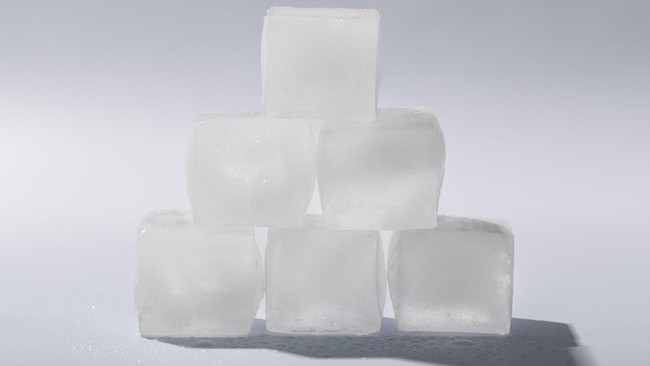
Nata de coco is a common ingredient found in various beverages and desserts. However, behind its chewy texture, this coconut water-based product could potentially be classified as haram, depending on its production process.
Khaswar Syamsu, a Professor of Agroindustry and Bioindustry at IPB University, explained that nata de coco is a microbial cellulose product produced through the fermentation of coconut water using Acetobacter xylinum bacteria. During this process, the bacteria require carbon and nitrogen sources to grow and produce the cellulose layer that becomes nata de coco.
The carbon source is derived from coconut water and sugar, while the nitrogen source generally comes from urea or ammonium sulphate, commonly known to the public as ZA fertiliser.
“As with other microbial products, the primary ingredients serving as nutrient sources for microbes to form the microbial product are carbon and nitrogen sources,” Khaswar explained, quoting the MUI website on Friday (5/6/2026).
Khaswar stated that the function of urea and ammonium sulphate is not as food ingredients to be consumed directly, but rather as nutrients for the bacteria during the fermentation process.
Khaswar explained that if used in the correct dosage, these carbon and nitrogen sources will be consumed by the bacteria for growth and the formation of nata de coco. Once the fermentation process is complete, any residues of these materials are generally removed through washing, boiling, and soaking.
“The nata de coco product that leaves the factory and is sold is a pure microbial cellulose product, without carrying the substrate or media used for bacterial growth and product formation,” he said.
He added that the cleaned nata de coco is then sliced and only then is syrup or flavouring added before being marketed to consumers.
Regarding the halal/haram status of nata de coco, LPPOM MUI auditor, Mulyorini R. Hilwan, explained that the critical halal point for nata de coco does not actually lie in the urea or ZA used as a nitrogen source. According to her, what needs to be scrutinised are other ingredients such as sugar and processing aids used in its purification.
“For example, if enzymes or activated carbon are used, then the source of those materials must be ensured to be halal,” she stated.
Activated carbon derived from coal or plants is considered non-problematic. However, if it originates from animal bones, it is necessary to ensure the origin of the animal and that the slaughtering process complies with Sharia law.
The use of urea or ZA in the fermentation process does not automatically make nata de deco unsafe or non-halal. The most important factor is that the ingredients used meet food standards, the production process is conducted properly, and the final product is free from fermentation media residues before consumption.