
Muhammadiyah: Dam Animal Slaughter Permitted in Indonesia
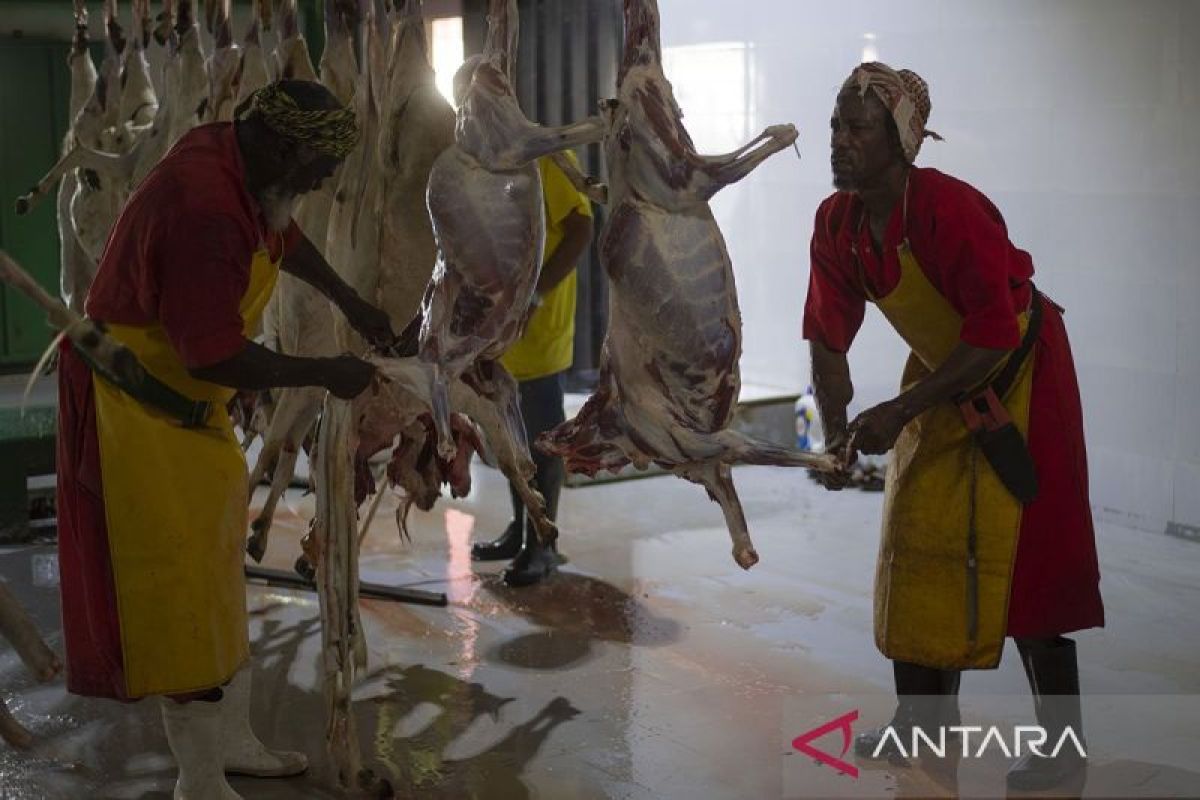
Jakarta (ANTARA) — The Tarjih and Tajdid Council of Muhammadiyah’s Central Leadership has issued a fatwa permitting the slaughter of dam animals (sacrificial animals as part of hajj ritual obligations) for pilgrims to be relocated from the Holy Land to Indonesia in order to realise broader public welfare.
“The Tarjih and Tajdid Council permits this subject to certain conditions to prevent waste and ensure benefits are widely felt by communities in need,” stated the Tarjih and Tajdid Fatwa, signed by Council Chairman Hamim Ilyas and Secretary Rofiq Muzakkir, received in Jakarta on Sunday.
The fatwa issued by the Tarjih and Tajdid Council notes that relocating the slaughter site from the Sacred Territory to Indonesian soil is deemed permissible under Islamic law in current circumstances, considering various empirical realities relating to hajj observance and the socio-economic needs of communities.
However, the implementation of slaughter in Indonesia must still adhere to timing provisions consistent with the hajj ritual sequence to preserve the integrity of worship as part of the hajj rites.
Furthermore, animals slaughtered must meet Islamic criteria regarding type, age and health condition. Funds collected from pilgrims must also be managed as a trust fully and transparently, except for reasonable operational distribution costs.
The Tarjih Council emphasised that distribution of meat from dam slaughter in Indonesia must be prioritised for the most vulnerable groups, particularly the poor and regions experiencing nutritional crises and extreme poverty.
Muhammadiyah believes this policy can help address stunting and animal protein deficiency in various regions.
Beyond the social aspect, the fatwa also considers other factors, such as environmental concerns from slaughtering large numbers of animals in the Mina region during the hajj season and the efficiency of meat distribution.
The Tarjih Council noted that meat shipments from Saudi Arabia to Indonesia have faced high logistical costs, from cutting and freezing to transport in refrigerated containers.
Conversely, meat shipment also faces biosecurity risks relating to Indonesian animal quarantine regulations, particularly concerning the threat of foot-and-mouth disease in livestock.
In guidance accompanying the fatwa, the Tarjih Council urged hajj pilgrims, particularly Muhammadiyah members, wishing to perform dam slaughter in Indonesia to channel funds through official charitable institutions such as Lazismu.
The Tarjih Council also encouraged Lazismu to develop comprehensive standard operating procedures (SOPs), from dam fund collection and animal selection to slaughter processes and meat distribution to communities in need across various Indonesian regions.