
Mudik vs Balik Kampung: Why Indonesia's and Malaysia's Eid Traditions Are Similar Yet Different?
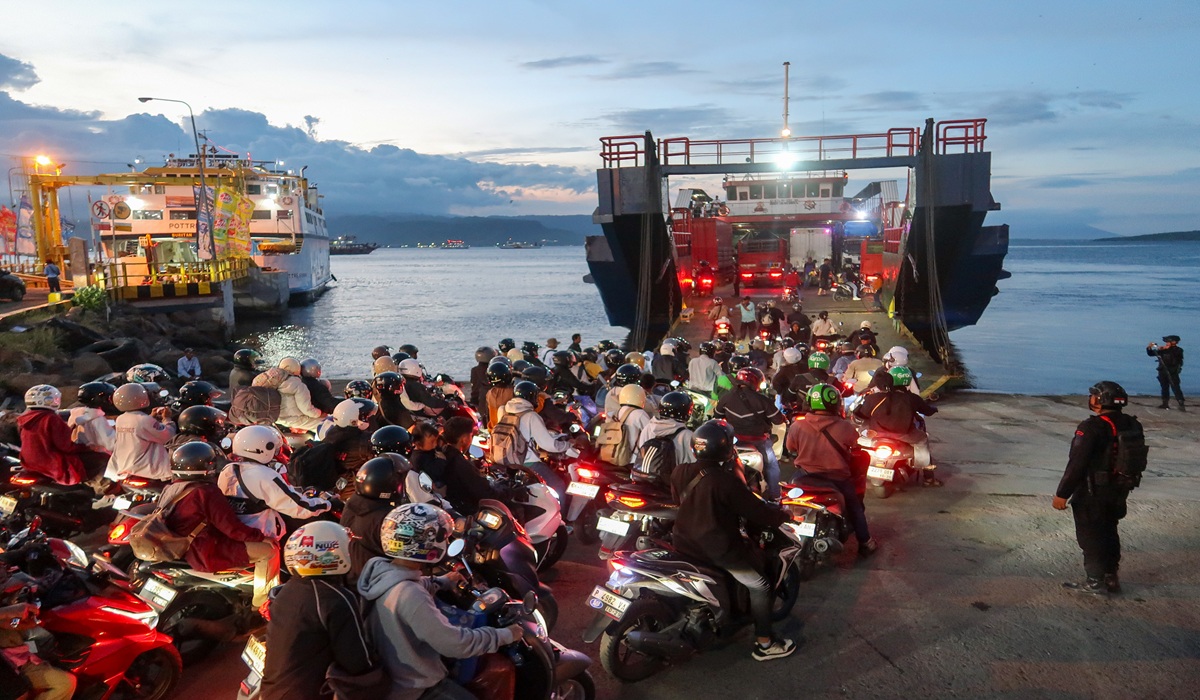
Ahead of Eid al-Fitr 1447 Hijriah, which falls in March 2026, the phenomenon of mass exodus is once again occurring in the two kindred nations, Indonesia and Malaysia. In Indonesia, millions are preparing for Mudik, while in Malaysia, citizens are getting ready for Balik Kampung. Although the purpose is the same—returning to family roots—there are fundamental differences that are intriguing to examine.
Etymologically, “Mudik” in Indonesia is often linked to the Javanese abbreviation mulih dilik (returning briefly). However, anthropologists state that its root comes from the Malay word “Udik,” meaning upstream river. In the past, Malay communities trading downstream would return upstream (mudik) to their original villages.
In Malaysia, the term “Balik Kampung” is more literal and universally used. Interestingly, in Malaysia, this term is not exclusive to Eid but also occurs massively during Chinese New Year (Lunar New Year), reflecting Malaysia’s multicultural demographic composition.
The scale of Mudik in Indonesia is far more colossal. The government predicts that public movement during Eid 2026 will reach more than 143 million people. In Malaysia, although the population is smaller, traffic density on the PLUS Highway remains an annual challenge, especially for Kuala Lumpur residents heading north (Kedah/Perlis) or south (Johor).
One particularly prominent aspect in Malaysia is the Open House or Rumah Terbuka tradition. Unlike in Indonesia, where it is usually limited to family and close neighbours, Open House in Malaysia is often public, where anyone can come to enjoy dishes regardless of race or religion, strengthening the spirit of “Malaysia Madani.”
Mudik and Balik Kampung are two sides of the same coin: symbols of victory after fasting and respect for parents. Although the terms and scales differ, the essence of both remains preserving family ties in the birthplace.