
Mudik in the Midst of the Digital World
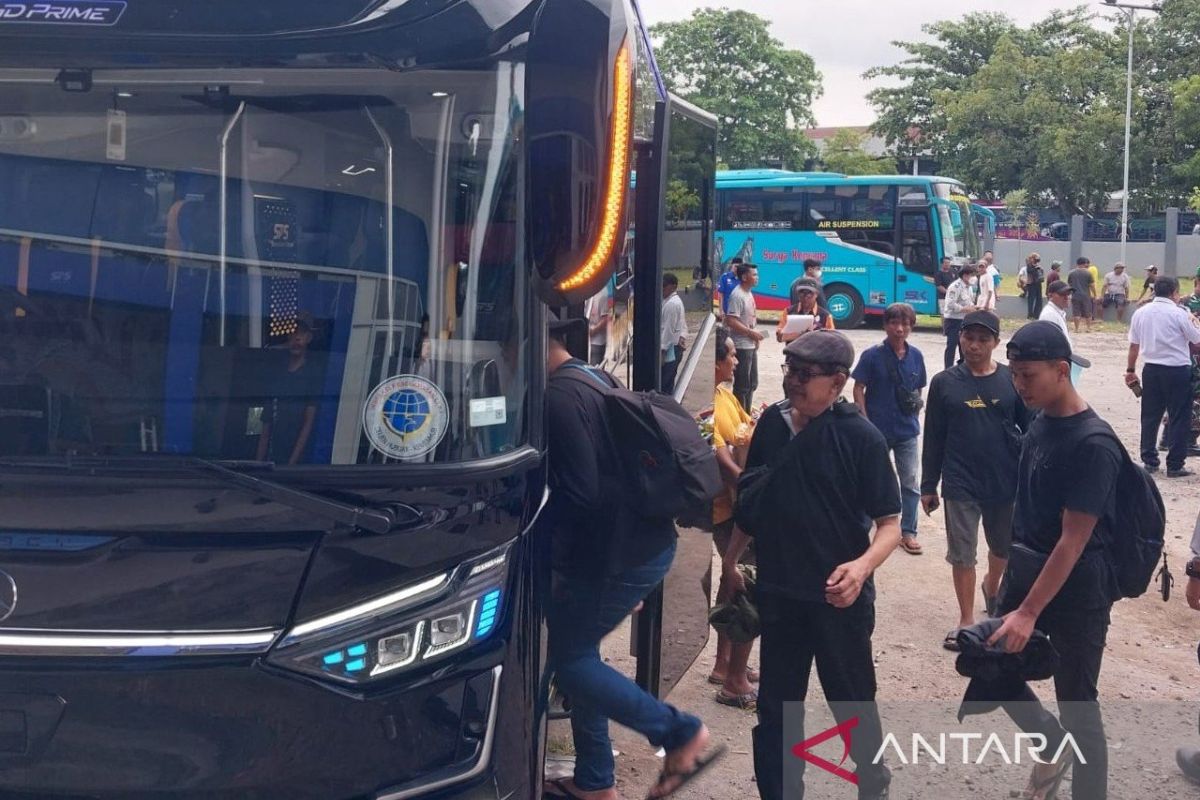
Mudik is about maintaining balance. Between the past and the future, between tradition and technology, between emotion and rationality. Mataram (ANTARA) - The 2026 Lebaran mudik in West Nusa Tenggara (NTB) emphasises one important point: technological progress has yet to replace the meaning of physical presence in society’s social traditions. In a world increasingly connected through screens and digital communication, the decision of millions to still return to their hometowns shows that human relationships cannot be entirely mediated by technology. The Ministry of Transportation’s predictions indicate that the national number of mudik participants will reach 143.91 million people, or more than half of Indonesia’s population. This figure is not merely a statistic but a strong reflection of the appeal of one’s hometown. In NTB, the flow of arriving mudik participants is once again surging, even though society now lives in an era of boundless communication. The question is, why is this exhausting journey still maintained even when technology offers the convenience of “meeting” without moving? This is where mudik becomes an intriguing phenomenon to examine: it is not merely human mobility but a social, cultural, and economic event that transcends the logic of modern efficiency. Irreplaceable