
Mudik Idul Fitri: The lifeblood of civilisation and the state's responsibility
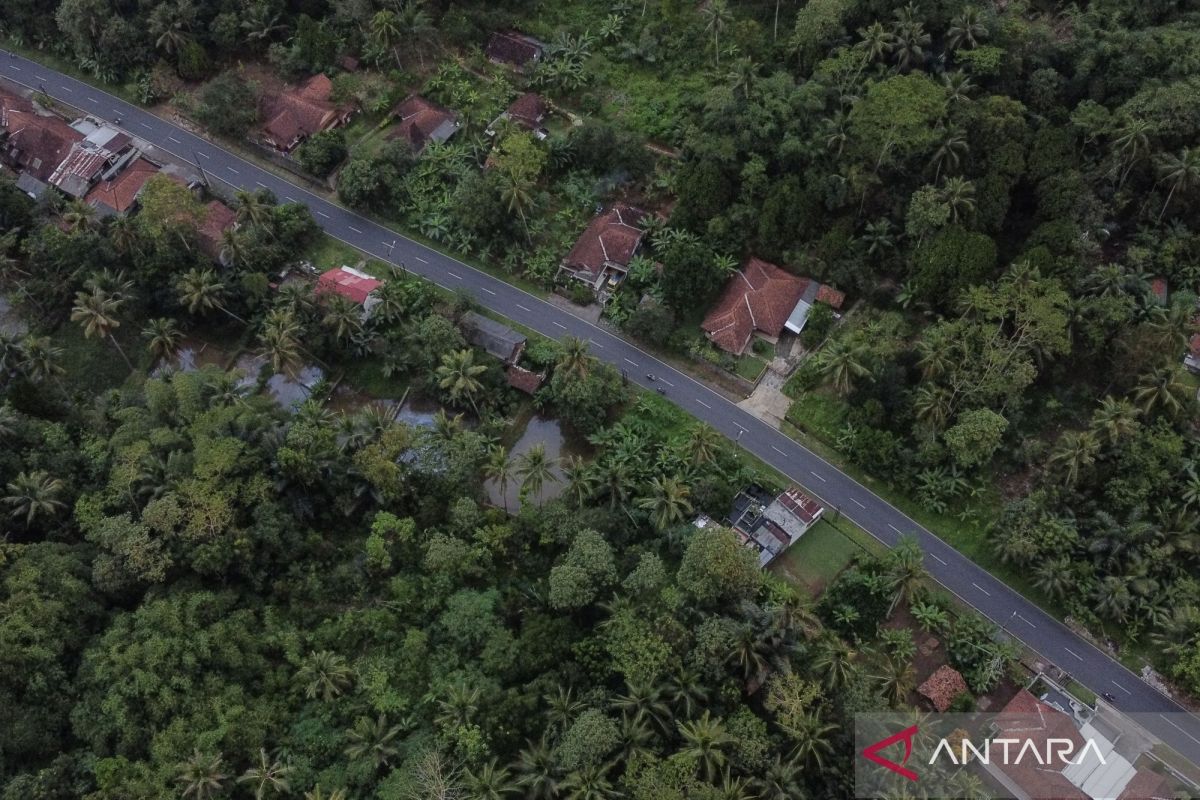
Jakarta - The Idul Fitri homecoming journey, or mudik, has always been far more than simply returning to one’s hometown. Each year, millions of people leave cities to return to villages, travelling by road, sea, and air for one purpose: to celebrate the day of victory with family.
This year, the number of homecomers is estimated to exceed 140 million people. This figure is not merely a mobility statistic, but rather a reflection of an enormous social phenomenon.
The mudik tradition is not simply an annual ritual, but rather part of the nation’s lifeblood—the thread of civilisation that connects cities with villages, centres with regions, and economics with culture. This is why mudik cannot be treated merely as a cultural ritual. When millions of people move homeward to nurture family bonds and social roots, the state is called upon to ensure that this journey takes place safely, in an orderly manner, and with dignity.
It is a genuine test of the state’s capacity to serve its citizens. President Prabowo Subianto emphasised that the state must guarantee citizens’ right to undertake the mudik tradition safely. From a public policy perspective, this statement affirms that the smooth conduct of mudik is not merely a matter of transportation, but also a manifestation of the state’s responsibility towards the mobility of its citizens.
Infrastructure readiness
From a public policy standpoint, mudik is the largest social logistics operation in Indonesia. Millions of vehicles move simultaneously, transport modes operate at high capacity, and the distribution of goods increases sharply.
Because of this, infrastructure readiness becomes the key to success.
The government, through relevant ministries, ensures that the main mudik routes, both national roads and toll roads, are in optimal condition. Road improvements, traffic management, and traffic flow engineering all form part of the strategy to prevent the prolonged traffic congestion that has frequently characterised the mudik season.
In the digital technology era, mobility management no longer relies solely on field personnel. The deployment of intelligent transport systems (ITS) allows for real-time monitoring of traffic density. With this system, the public can ascertain road conditions, locations of congestion, and fuel availability at various points along their journey.