
MTI Proposes Incorporating Traffic Safety Education into School Curriculum
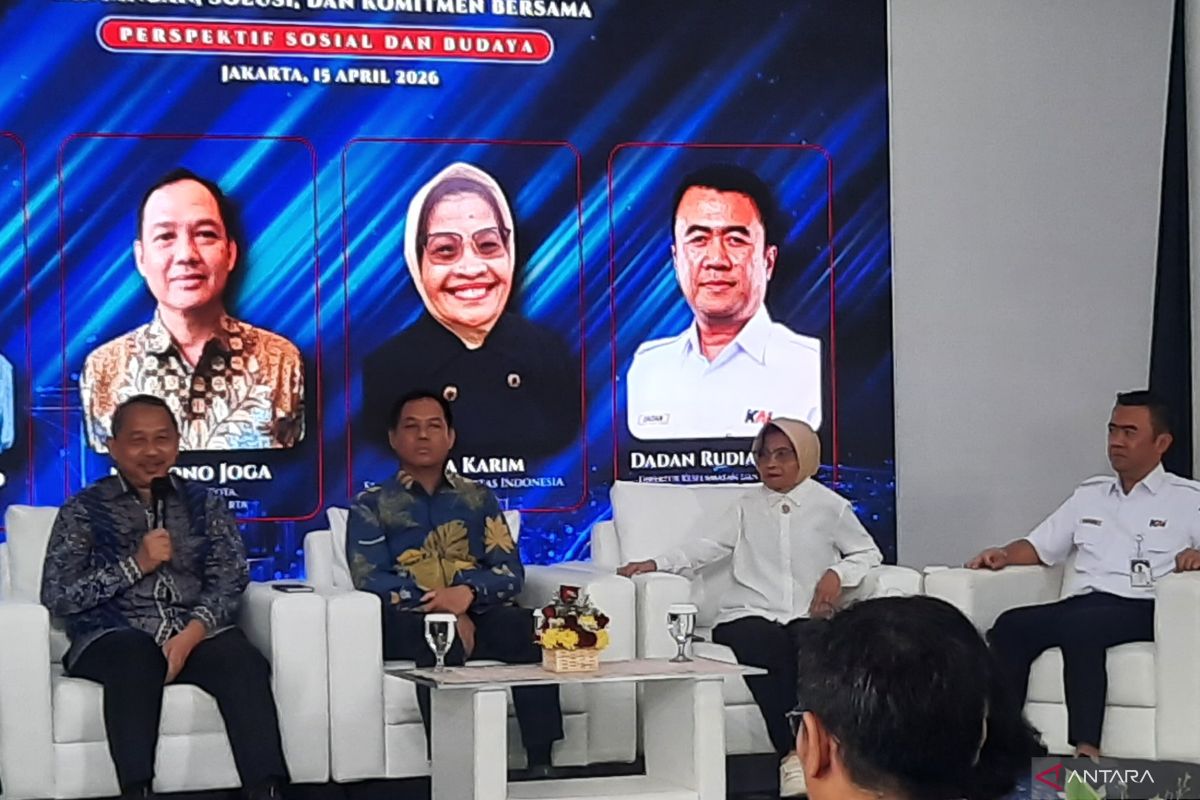
Jakarta (ANTARA) - The Indonesian Transport Society (MTI) has proposed to the government the inclusion of traffic safety education in school curricula as an effort to educate children from an early age.
“We want something that is truly comprehensive, integrated into the curriculum, not necessarily with exams. But at least, from an early age, understanding of on-road safety should be instilled. Because the highest accident rates are on the roads,” said Deputy Chair for Empowerment and Regional Development of the MTI Central Board, Djoko Setijowarno, at the ANTARA Heritage Center (AHC), Central Jakarta, on Wednesday.
According to him, one region that has already implemented this is Solo, Central Java, through its local Transportation Agency. This indicates the willingness of regional heads to enhance education on traffic safety among residents from an early age.
“The transportation agency has budgets for schools. But not many regional governments do that. The transportation agency is often seen as just making signs and markings, whereas it can also handle safety. Solo can do it because there is willingness from the regional head, so the budget is allocated to the transportation agency, and it is still ongoing,” said Djoko.
Data from the National Police Traffic Corps for 2024 shows that traffic accident figures for ages 6–25 years (students/university students) amount to 39.48 per cent. The productive age group 25–55 years accounts for 39.26 per cent. The types of transport involved include motorcycles at 76.96 per cent, trucks at 10.53 per cent, and public vehicles at 8.43 per cent.
The trend in accidents year on year shows an increase: in 2020 there were 101,496 incidents, in 2021 there were 105,860 incidents (up 4.3 per cent), in 2022 there were 139,422 incidents (up 31.7 per cent), in 2023 there were 150,491 incidents (up 7.9 per cent). However, in 2024 there were 145,599 incidents (down 3.2 per cent).
According to Djoko, the inclusion of a traffic safety education curriculum is intended to build awareness and traffic etiquette from an early age. Thus, it is hoped that the younger generation can understand and appreciate the importance of road safety.
The traffic safety curriculum is designed to provide in-depth understanding to primary school through upper secondary students.
Some objectives of the expected traffic safety curriculum include reducing accident rates, shaping a more disciplined and responsible generation of drivers.
Additionally, creating orderly traffic in the future, preventing students from becoming both victims and perpetrators in accident cases, developing awareness among the younger generation for traffic compliance, understanding the meaning of road signs, and comprehending good driving practices.