
MSCI Cuts Indonesian Mining and Energy Issuers, Downstreaming Sentiment Poses Challenge
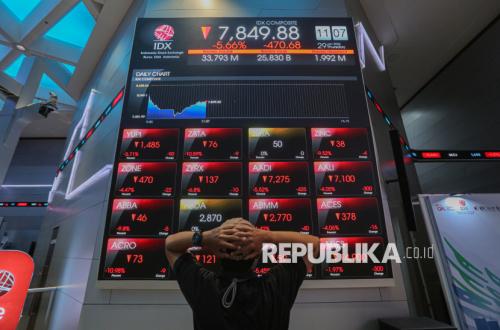
Several Indonesian resource-based issuers have been removed from the Morgan Stanley Capital International (MSCI) index in the latest review. This situation has drawn market attention to global perceptions of the investability quality of the national mining, energy, and commodity-based industry sectors.
In the latest MSCI Indonesia Index announcement, several strategic issuers have been deleted from both standard cap and small cap categories. These include PT Aneka Tambang Tbk, PT Amman Mineral Internasional Tbk, PT Dian Swastatika Sentosa Tbk, PT Petrindo Jaya Kreasi Tbk, and PT Barito Renewables Energy Tbk.
In addition to the mining and energy sectors, MSCI has also removed other resource-based issuers such as PT Astra Agro Lestari Tbk, PT Dharma Satya Nusantara Tbk, and PT Triputra Agro Persada Tbk.
The energy and petrochemical-based industrial sector has also been affected by the removal of PT Chandra Asri Pacific Tbk from the MSCI Indonesia index.
This condition is seen to reflect a shift in global investors’ perspective on Indonesia’s mining and commodity-based industries. Previously, the strength of mineral reserves, smelter projects, and the electric vehicle narrative were the main attractions; now, global investors are increasingly focusing on market governance quality, transparency, free float, and stock trading liquidity.
However, in recent years, Indonesia has aggressively positioned itself as a global mineral downstreaming hub. The government has promoted export bans on raw materials, nickel smelter construction, electric vehicle ecosystem development, and critical mineral-based industrialisation to strengthen domestic value added.
These strategies have successfully attracted large investments and enhanced Indonesia’s position in the global electric vehicle supply chain. However, MSCI’s decision indicates that industrialisation success alone is insufficient to enhance the attractiveness of Indonesia’s capital market to global institutional investors.
The market now perceives challenges in market accessibility and investability aspects. This includes share ownership structures deemed too concentrated, free float quality, market liquidity depth, and the effectiveness of domestic stock trading mechanisms.
This situation is crucial because the mining and downstreaming sectors require substantial long-term financing. Smelter projects, electric vehicle battery ecosystems, refineries, and petrochemical industries need strong and stable global capital access.
With Indonesia’s weight in the MSCI Emerging Markets IMI index declining, passive global fund flows to the domestic stock market could also decrease. The impact extends beyond short-term share prices and may affect risk perceptions, funding costs, and valuations of resource-based issuers.
MSCI has also maintained a freeze status on Indonesia, with no additions or upgrades to Indonesian shares in the global index. MSCI is reportedly still evaluating the effectiveness of free float data and domestic capital market investability aspects.