
MPR urges government to anticipate impact of Strait of Hormuz tensions
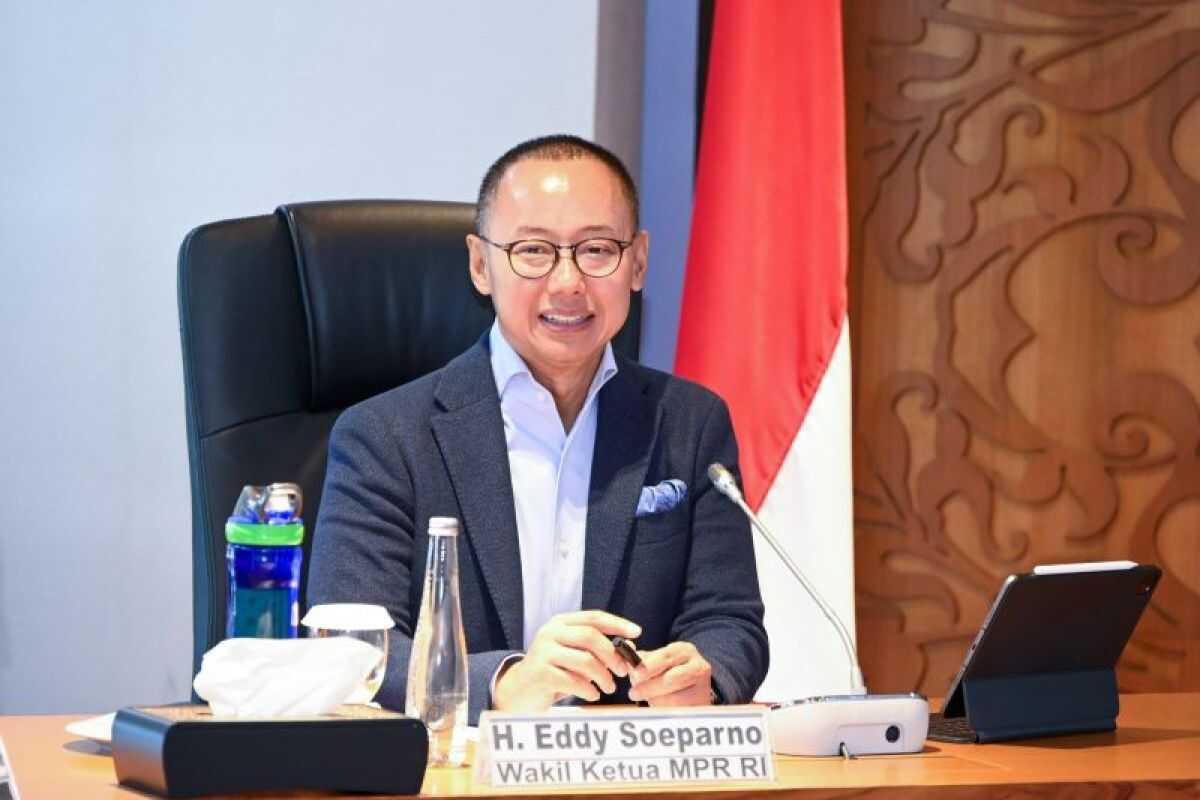
Jakarta – Indonesia’s Parliamentary Assembly (MPR) vice-chair Eddy Soeparno has called on the government to anticipate potential crude oil supply disruptions resulting from mounting tensions in the Strait of Hormuz, following the escalation of conflict between the United States, Iran, and Israel.
According to Soeparno’s statement in Jakarta on Monday, the Strait of Hormuz is a strategic global energy distribution corridor, and tensions in the region could trigger a spike in global oil prices.
This situation is concerning because Indonesia remains dependent on imports of crude oil and petroleum products, placing pressure on the state budget.
“Tensions in the Strait of Hormuz are not merely a regional geopolitical issue but also carry direct implications for global oil prices. If oil prices surge sharply, the pressure on our state budget will intensify, particularly given high import values and energy compensation measures,” Soeparno stated.
He emphasised that rising crude oil prices impact not only the state’s fiscal position but also have the potential to erode public purchasing power and increase production costs across various sectors.
“Our current dependence on fossil fuel energy from imported sources means our fiscal space is easily constrained when global crises occur. Therefore, I have consistently emphasised on various occasions that energy resilience must be a strategic priority on par with national security,” he stressed.
Soeparno referenced President Prabowo Subianto’s commitment to driving national energy independence through accelerated development of new and renewable energy sources.
“President Prabowo has emphasised the importance of accelerating the development of new and renewable energy as well as maximising domestic energy potential. In the context of the current global crisis, this policy direction proves increasingly relevant,” he said.
He noted that Indonesia possesses significant potential in geothermal, solar, hydroelectric, and bioenergy sectors that require optimisation through accelerated investment and regulatory reform to reduce oil import dependence.
“Each time conflict erupts in the Middle East, we are haunted by concerns over oil prices. This must serve as momentum to accelerate energy transformation. Energy resilience is part of national resilience,” he said.
Beyond medium and long-term strategies, Soeparno also advocated for short-term anticipatory measures, including strengthening national energy reserves to mitigate the impact of global oil price spikes on the state budget and the public.
“The government must ensure that global shocks do not directly burden the people. Fiscal and energy policies must be coordinated so that external pressures can be dampened,” he concluded.