
MPR Leader Calls Bantargebang Landslide an Alarm for Indonesia's National Waste Crisis
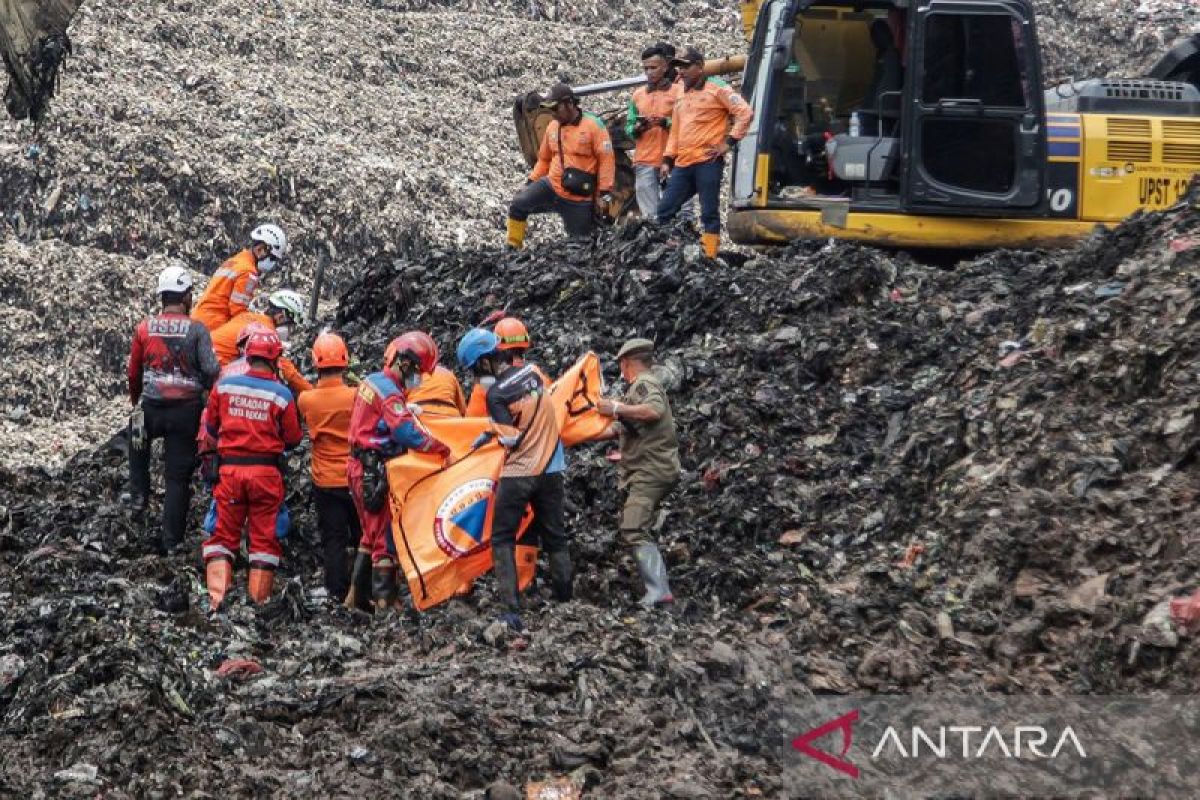
Jakarta — Eddy Soeparno, Deputy Speaker of the People’s Consultative Assembly of the Indonesian Republic, has described the waste landslide at the Bantargebang Waste Treatment Facility in Bekasi City, West Java, which claimed the lives of four workers, as a serious warning or alarm over Indonesia’s waste management crisis.
According to him, comprehensive action is needed from the source to final disposal.
In a statement in Jakarta on Tuesday, Eddy said Indonesia’s national waste problem has now reached a serious stage. Indonesia produces approximately 56 million tonnes of waste annually, yet only about 40 per cent can be properly managed.
“This means that a large portion of waste remains unhandled optimally,” he said.
He assessed that conditions at the Bantargebang facility reflect the complexity of waste management issues, evident from the towering piles of waste that are comparable to buildings of 16 to 17 storeys.
“When we see directly the conditions in Bantargebang, we can understand how great the challenge we face is. The mountains of waste there are extremely high, comparable to buildings of dozens of storeys,” said Eddy.
He noted that the government has responded to the waste crisis threat through the issuance of Presidential Regulation No. 109 of 2025 concerning waste processing into electrical energy, or Waste-to-Electrical-Energy Generation (WEEG).
“President Prabowo has given special attention to waste management. In his various directives, he has emphasised the urgency of preventing the waste crisis with tactical and immediate handling. Presidential Regulation 109 is an important step in national waste management,” he said.
However, Eddy cautioned that the construction of WEEG facilities requires approximately 18 months to two years before becoming operational, making temporary measures necessary to store and manage waste.
“For this reason, temporary measures must be undertaken for waste handling. Among these is providing land for temporary storage. Because, willingly or not, waste will continue to be produced and land is needed to accommodate it,” he said.
Additionally, he emphasised the importance of strengthening upstream handling through public education on waste sorting, development of waste banks, and enforcement of laws against illegal dumping practices.
“We also need upstream handling. The upstream part must be addressed by providing education and capacity-building to the public so they engage in waste sorting and utilise waste banks for better waste management,” he said.
Eddy also expressed condolences to the victims of the incident whilst emphasising the importance of protecting worker safety and residents around waste management facility sites.
“I offer my condolences to the workers at Bantargebang who lost their lives buried under piles of waste. In any case, the safety of workers and residents must be the priority,” he said.