
MPR Deputy Speaker Urges Compliance with Disability Employment Quotas
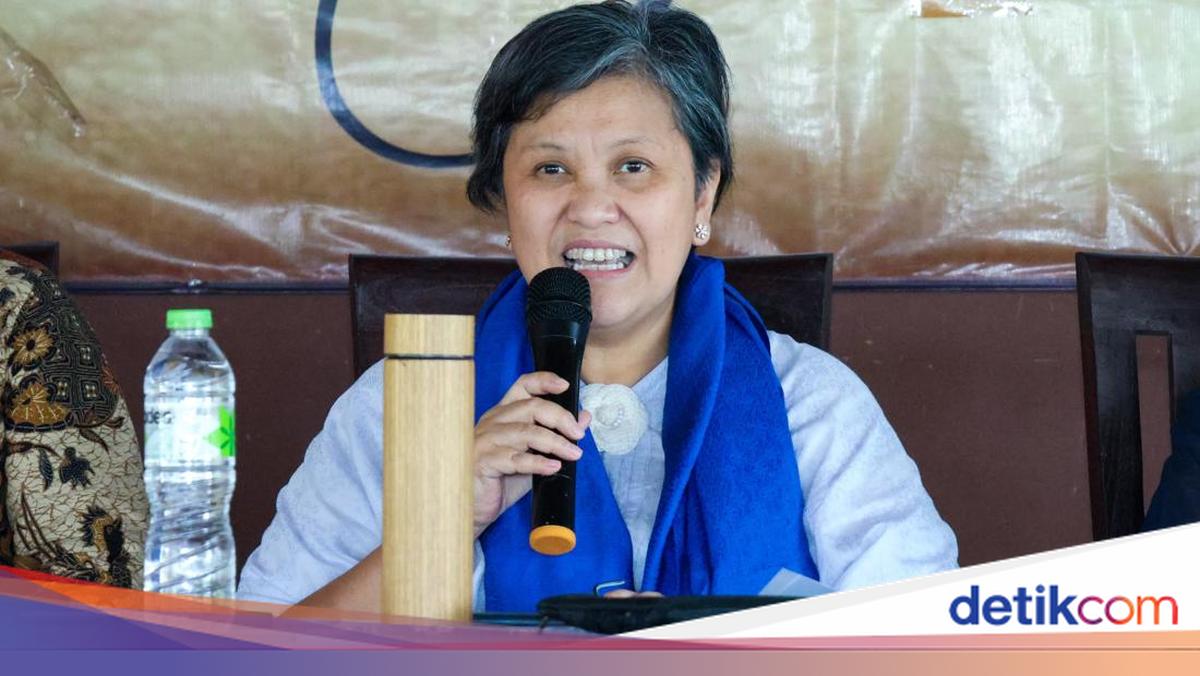
Wakil Ketua MPR RI Lestari Moerdijat believes the implementation of the obligation to employ people with disabilities in private companies and government institutions is still far from expectations, despite being mandated by law.
“There is a wide gap between the existing regulations and implementation on the ground regarding the realisation of the obligation to employ people with disabilities. Concrete steps and cross-sector collaboration are needed to realise it,” Lestari Moerdijat said in a statement on Tuesday (23/6/2026).
The Ministry of Social Affairs (Kemensos) in a written statement affirmed it would pioneer the application of the mandatory quota for workers with disabilities, allocating 2% of its total employees to the disabled group. Social Affairs Minister Saifullah Yusuf even requested all ministries, institutions, and state-owned enterprises (BUMN) to fulfil this quota.
According to Lestari, Law Number 8 of 2016 concerning Persons with Disabilities clearly mandates a quota for government institutions and private companies to employ people with disabilities. Under the law, central and regional governments, BUMN, and regional-owned enterprises (BUMD) are required to employ people with disabilities at a minimum of 2% of their total workforce. Meanwhile, private companies must employ a minimum of 1% of their total employees.
She noted several obstacles causing the low absorption of disabled workers. “These obstacles include limited job access, deeply rooted social stigma in society, a lack of suitable vocational training, and the generally low educational levels of people with disabilities,” she explained.
Data from Statistics Indonesia (BPS) reveals that only 2.8% of the 17.9 million people with disabilities in Indonesia have completed higher education. “The BPS record shows a serious challenge for the business world, which requires skilled workers,” she said.
According to her, a number of steps must be taken immediately to encourage the realisation of the Disability Law mandate. These steps include strengthening regulations and imposing strict sanctions, providing incentives for companies or institutions that comply, and offering training and mentoring for companies that will employ people with disabilities. Strong collaboration between the education, business, government, and community sectors is also needed to increase the participation of people with disabilities in the development process.
“The disability issue has now become a concern in the national legislation agenda,” she stated. The National Commission on Disabilities noted that 38 draft laws are related to disability issues out of a total of 67 priority bills in the 2026 National Legislation Programme. “Fulfilling the rights of people with disabilities in all aspects of social life must be supported by full commitment from all parties, as mandated by the law and the constitution,” she concluded.